The A.R.T. Library Program distributes books on art and culture free of charge to public institutions nationwide. Public libraries, schools, prisons, and reading centers that self-define as underserved are welcome to place unrestricted orders.

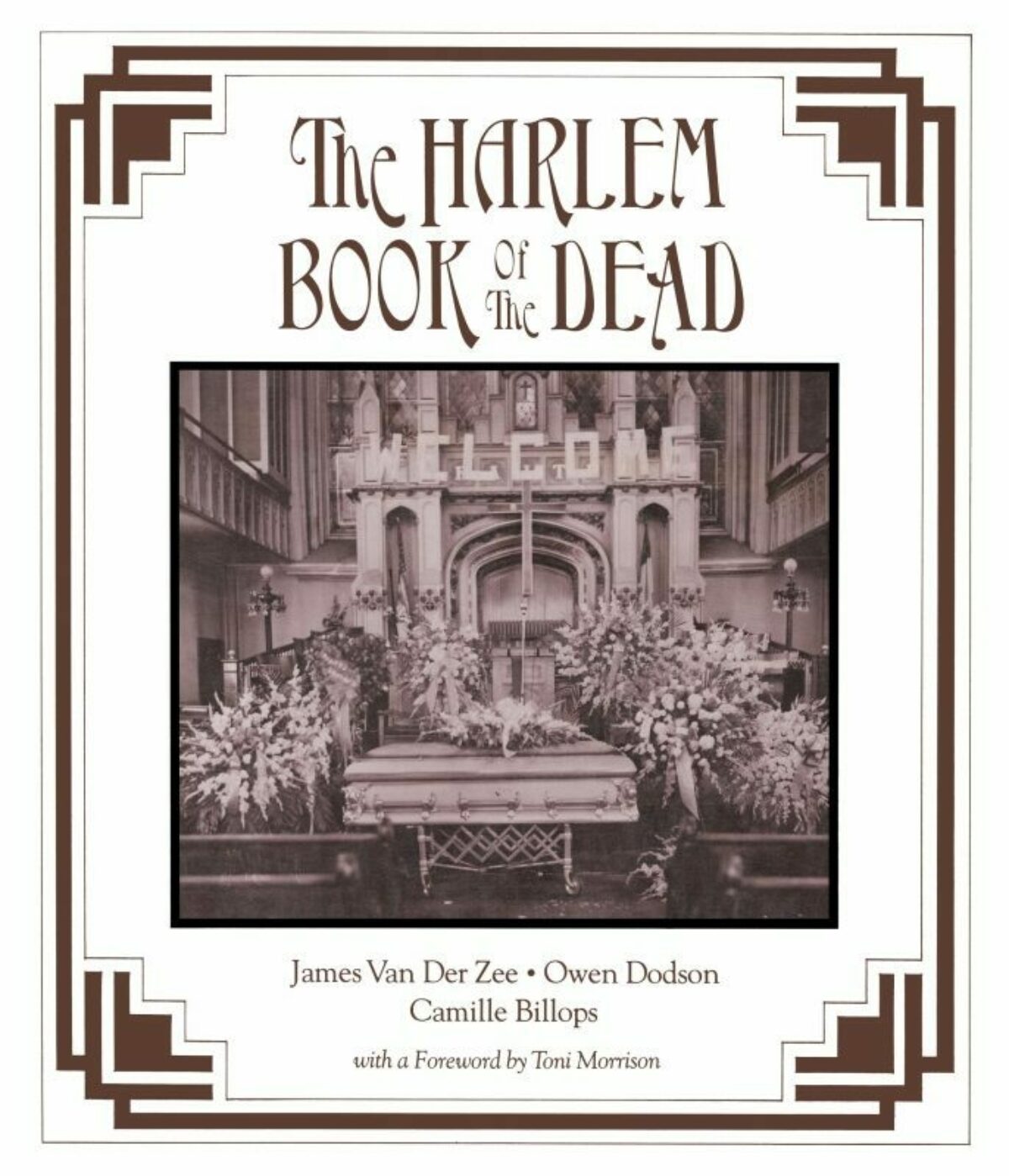
James Van Der Zee, Owen Dodson, and Camille Billops: The Harlem Book of the Dead

James Van Der Zee, Owen Dodson, Camille Billops

Originally published in 1978, The Harlem Book of the Dead is a haunting and beautiful document of Black funerary traditions in Harlem, which captures the community’s mourning rituals through the lens of one of the Harlem Renaissance’s most celebrated photographers. These portraits are complimented and captioned by poems from Owen Dodson; a wide-ranging interview with Van Der Zee by the sculptor and filmmaker Camille Billops, who conceptualized and edited the publication; and a foreword by acclaimed writer Toni Morrison. Rounding out this new edition is an afterword by Karla FC Holloway, author of Passed On (2001).

The publication is the most complete record of Van Der Zee’s funerary photographs, featuring over three dozen portraits by the artist, who meticulously composed the setting and subjects before using his renowned dark room and retouching skills to superimpose celestial figures, poetry, biblical scenes, or portraits onto the images to compensate for lack of adornments, such as flowers, or to fulfill the requests of his subjects or their families. Billops recognized the singular value in these portraits and collected them for the first time here, choosing to pair them with Dodson’s words to replicate a pairing of “death’s oldest companions—the portrait artist and the poet.” Further, her introduction and interview provide a valuable service in detailing the history of Van Der Zee’s life and work, his compositional decisions in the portraits, and the lives of his subjects and the circumstances of their passing.

During his lifetime, Van Der Zee was primarily known as a studio photographer, with an active portrait practice dating from 1916 to his death in 1983. His work took off between the World Wars and he is largely responsible for providing a visual record of the emergent Black middle class in the early twentieth century, capturing weddings, funerals, parades, sports clubs, community groups, and infantrymen (such as the Harlem Hellfighters). Over the years, understanding of Van Der Zee’s work—which was imbued from the start with creative technical mastery—has evolved and he is no longer seen as a mere documentarian but rather a visionary artist who amplified the beauty of the life and community around him.

Our World in Focus

Magnum Photographers

How many of mankind's greatest achievements would not have come to fruition were it not for blind ambition? Our World In Focus is a phenomenally ambitious book that, via some of the most striking and thought-provoking photographs ever taken, aims to highlight the current state of mankind's relationship with the environment, and pose the question, "Where do we go from here?" The project is the brainchild of The Earth Pledge Foundation, a trust established in 1991 in support of the Rio Earth Summit.

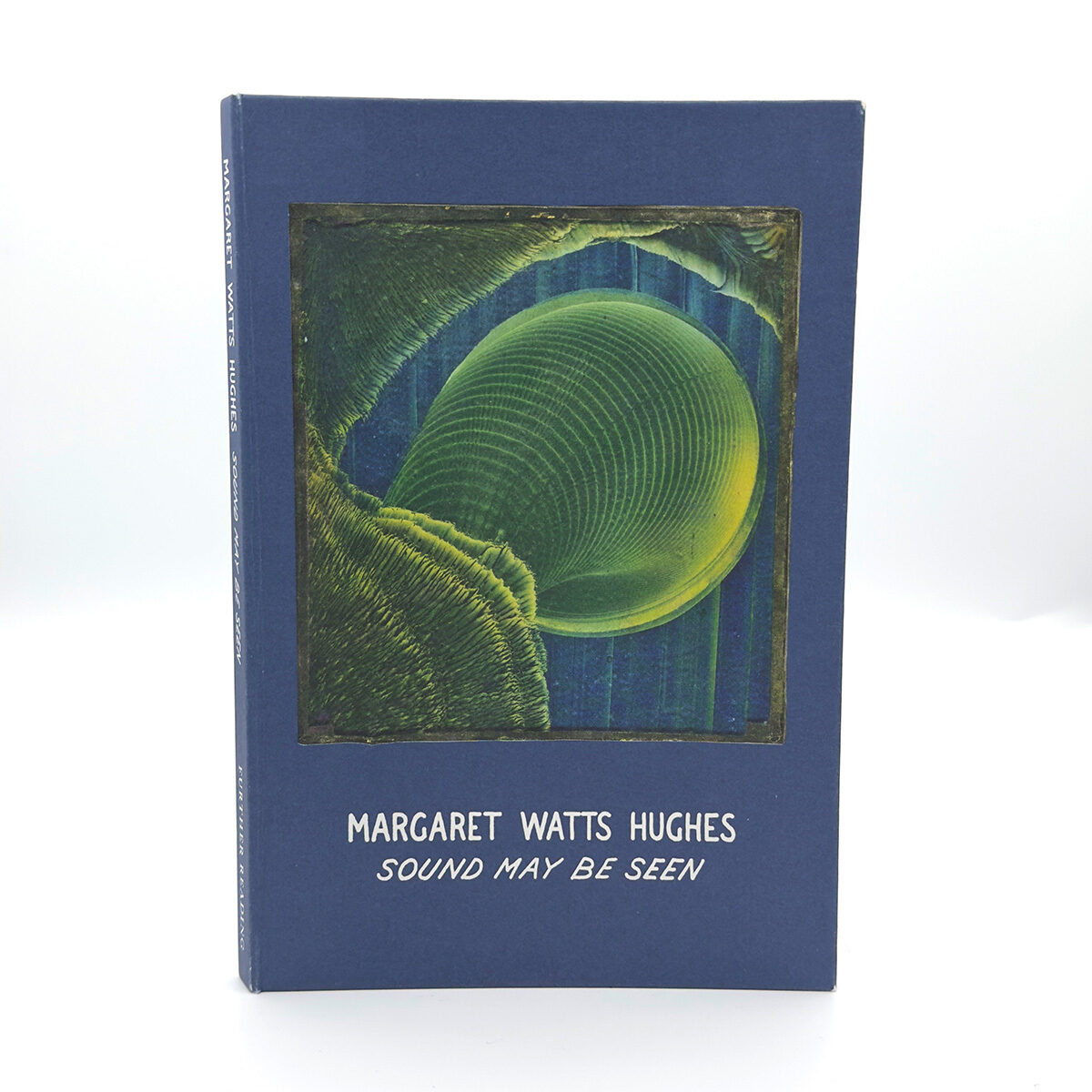
Margaret Watts Hughes: Sound May Be Seen

Introduction by Rob Mullender-Ross

An acclaimed Welsh singer and philanthropist, Margaret Watts Hughes (1842–1907) was the inventor of the eidophone, a device used to create images of sound that she called “Voice Figures.” While Hughes valued her discovery for both its scientific and spiritual implications, leaders of the Theosophical movement saw her work as a means of making visible the invisible world. Margaret Watts Hughes: Sound May Be Seen presents selections from Watts Hughes’ original publication of the “Voice Figures” and a rare surviving set of her glass slides alongside contemporary reactions to her captivating and ultimately enigmatic work.

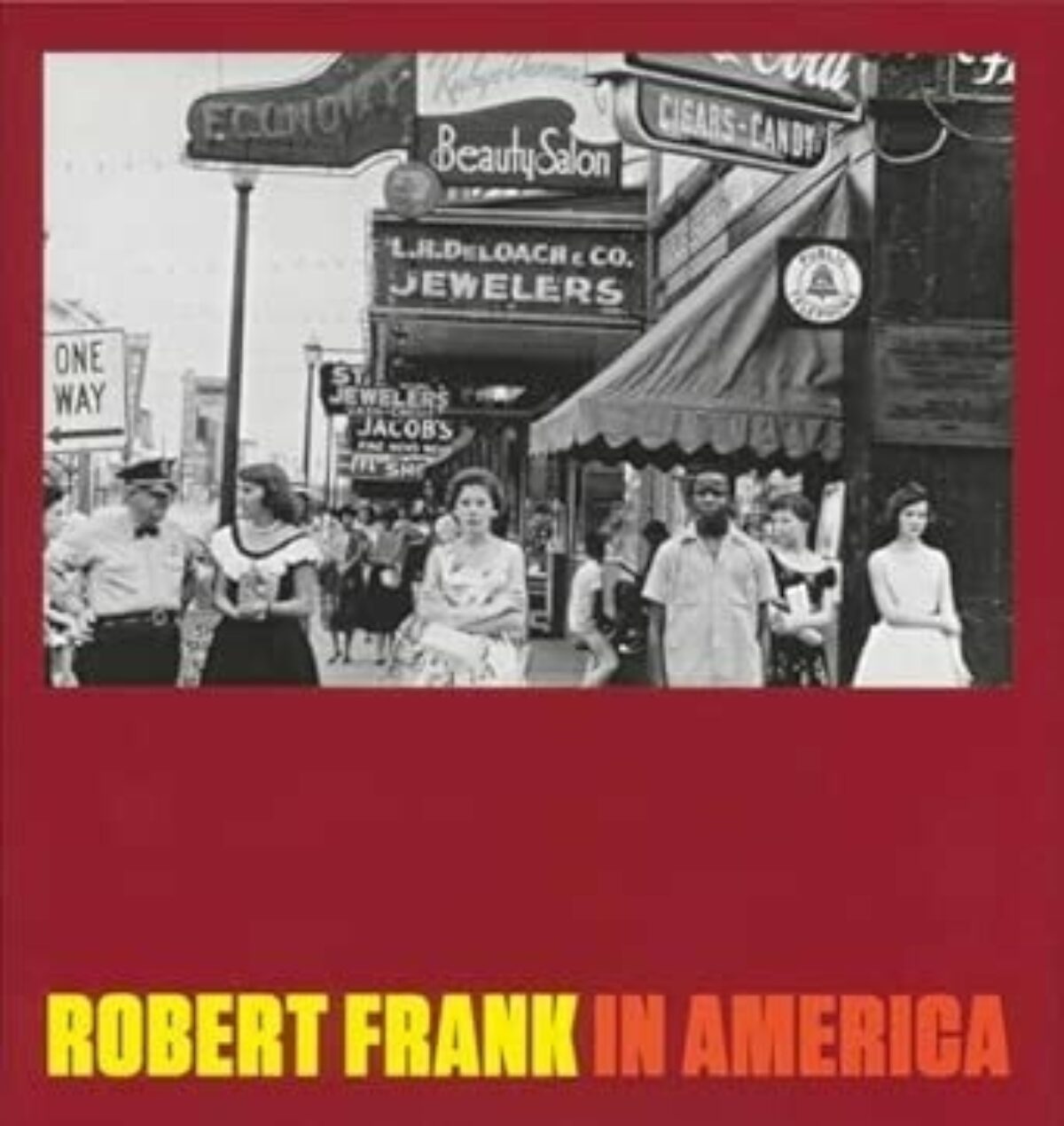
Robert Frank: In America

Peter Galassi

Because of the importance of Robert Frank's The Americans; because he turned to filmmaking in 1959, the same year the book appeared in the United States; and because he made very different kinds of pictures when he returned to still photography in the 1970s, most of Frank's American work of the 1950s is poorly known. This book, based on the important Frank collection at the Cantor Arts Center at Stanford University, is the first to focus on that work. Its careful sequence of 131 plates integrates 22 photographs from The Americans with more than 100 unknown or unfamiliar images to chart the major themes and pictorial strategies of Frank's work in the United States in the 1950s. Peter Galassi's text presents a thorough reconsideration of Frank's first photographic career and examines in detail how he used the full range of photography's vital 35mm vocabulary to reclaim the medium's artistic tradition from the hegemony of the magazines.

THING

Edited by Robert Ford, Trent Adkins, Lawrence Warren

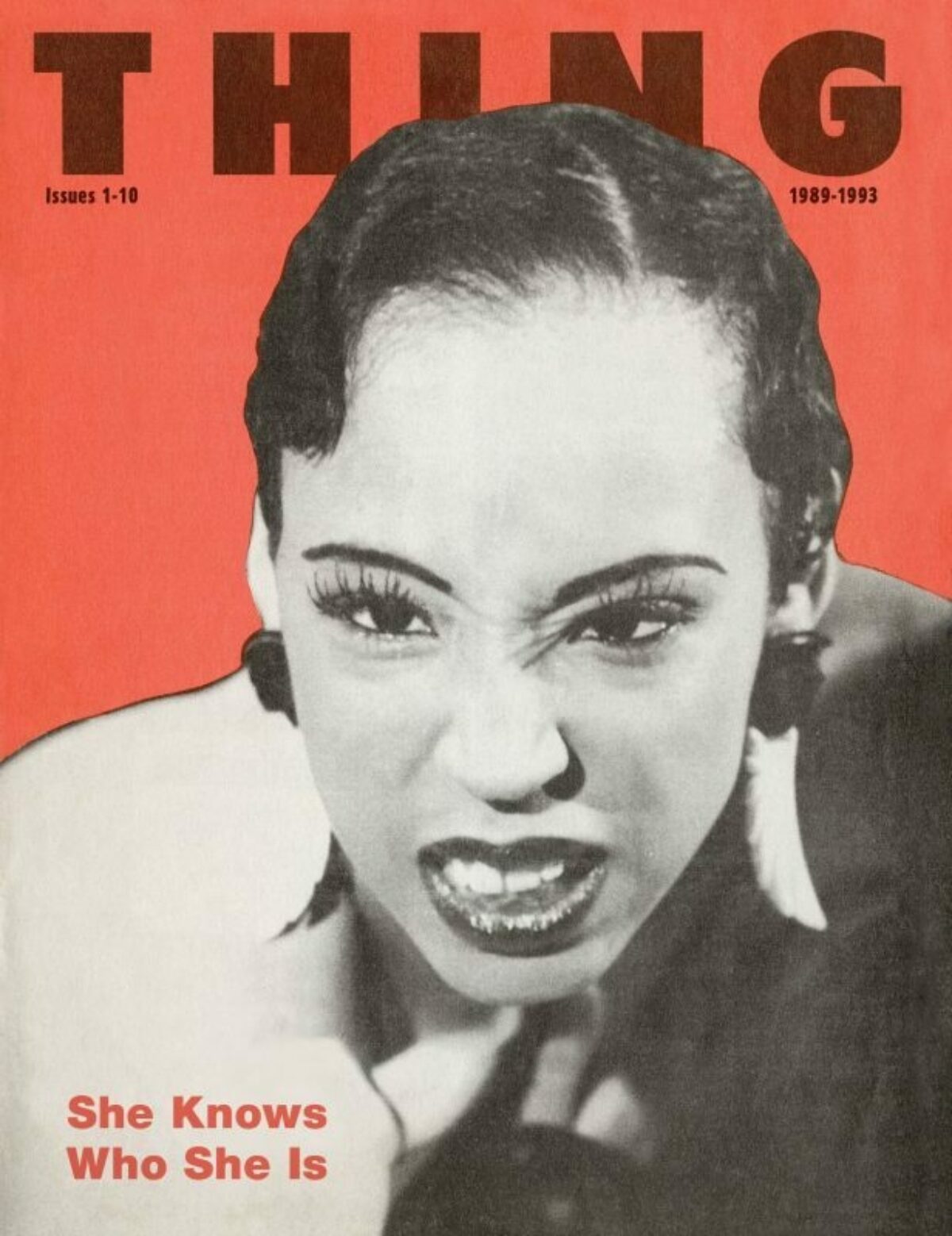
Started in 1989 by designer and writer Robert Ford, THING magazine was the voice of the Queer Black music and art scene in the early 1990s. Ford and his editors were part of the burgeoning House music scene, which originated in Chicago’s Queer underground, and some of the top DJs and musicians from that time were featured in the magazine, including Frankie Knuckles, Gemini, Larry Heard, Rupaul, and Deee-Lite. THING published ten issues from 1989-1993, before it was cut short by Ford’s death from AIDS-related illness. All ten issues of THING are collected and published here for the first time.

As House music thrived, THING captured the multidisciplinary nature of the scene, opening its pages to a wide range of subjects: poetry and gossip, fiction and art, interviews and polemics. The HIV/AIDS crisis loomed large in its contents, particularly in the personal reflections and vital treatment resources that it published. An essay by poet Essex Hemphill was published alongside the gossip columnist Michael Musto and Rupaul dished wisdom alongside a diary from the March on Washington for Lesbian, Gay, and Bi Equal Rights and Liberation. Joan Jett Blakk’s revolutionary presidential campaign is contained in these pages, as are some of the most underground, influential literary voices of the time, such as Dennis Cooper, Vaginal Davis, Gary Indiana, Marlon Riggs, David Wojnarowicz, and even David Sedaris.

THING was very much in dialogue with the club kids in New York and other Queer publishing ventures, but in many ways, it fostered an entirely unique perspective—one with more serious ambitions. In a 460moment when the gay community was besieged by the HIV/AIDS crisis and a wantonly cruel government, the influence and significance of this cheaply-produced newsprint magazine vastly exceeded its humble means, presenting a beautiful portrait of the ball and club culture that existed in Chicago with deep intellectual reflections. THING was a publication by and for its community and understood the fleetingness of its moment. To reencounter this work today, is to reinstate the Black voices who were so central to the history of HIV/AIDS activism and Queer and club culture, but which were often sidelined by white Queer discourse. In many ways, THING offered a blueprint for the fundamental role a magazine plays in bringing together a community, its tagline summing up the bold stakes of this important venture: “She Knows Who She Is.”

The magazine included contributions from Trent D. Adkins, Joey Arias, Aaron Avant Garde, Ed Bailey, Freddie Bain, Basscut, Belasco, Joan Jett Blakk, Simone Bouyer, Lady Bunny, Bunny & Pussy, Derrick Carter, Fire Chick, Chicklet, Stephanie Coleman, Bill Coleman, Lee Collins, Gregory Conerly, Mark Contratto, Dennis Cooper, Dorian Corey, Ed Crosby, The Darva, Vaginal Davis, Deee-Lite, Tor Dettwiler, Riley Evans, Evil, The Fabulous Pop Tarts, Mark Farina, Larry Flick, Robert Ford, Scott Free, David Gandy, Gemini, Gabriel Gomez, Roy Gonsalves, Chuck Gonzales, Tony Greene, André Halmon, Lyle Ashton Harris, Larry Heard, Essex Hemphill, Kathryn Hixson, Sterling Houston, Ishmael Houston-Jones, Gary Indiana, Candy J, Jamoo, Jazzmun, Gant Johnson, Owen Keehnen, Lady Miss Kier, Spencer Kincy, Iris Kit, Erin Krystle, Steve LaFreniere, Larvetta Larvon, Marc Loveless, Lypsinka, Malone, Marjorie Marginal, Terry A. Martin, Rodney McCoy Jr., Alan Miller, Bobby Miller, Michael Musto, Ultra Naté, Willi Ninja, Scott “Spunk” O’Hara, DeAundra Peek, Earl Pleasure, Marlon Riggs, Robert Rodi, Todd Roulette, RuPaul, Chantay Savage, David Sedaris, Rosser Shymanski, Larry Tee, Voice Farm, Lawrence D. Warren, Martha Wash, LeRoy Whitfield, Stephen Winter, David Wojnarowicz, and Hector Xtravaganza.

Oceans of Love : The Uncontainable Gregory Battcock

Joseph Grigely

This book is published in collaboration with Verlag der Buchhandlung Walther Koenig, Grazer Kunstverein, and Kunstverein in Hamburg, and follows Joseph Grigely’s exhibition The Gregory Battcock Archive, which was first exhibited in 2009 with iterations being shown at the Whitney Biennial in 2014, the Grazer Kunstverein in 2015/16, Kunstverein in Hamburg in 2016, and Marian Goodman Gallery, London, in 2016.


Gregory Battcock (1937–1980, US) was a New York–based artist who gave up his practice as a painter to become an art critic; he wrote on Minimalism, Conceptual art, video art, and performance, and generally championed artists pushing the boundaries and definitions of contemporary art. On Christmas Day in 1980 Battcock was found stabbed to death on the balcony of his holiday home in San Juan, Puerto Rico. The murder remains unsolved.


In 1992, Joseph Grigely was exploring the recently abandoned facilities of a storage company in the same building as his studio when he found Battcock’s archive of manuscripts, photographs, and correspondence strewn throughout the space. After making copies of some of the material, a bulk of the collection was donated to the Archives of American Art. In making the exhibition The Gregory Battcock Archive, Grigely created a labyrinth of vitrines in which photographs, manuscripts, letters, and postcards, are juxtaposed in a way to construct portraits of both Battcock and the 1970s New York art world. The publication Oceans of Love: The Uncontainable Gregory Battcock, expands on this material, and includes a lengthy introduction by Grigely that investigates Battcock’s biographical history and his contributions to art criticism.


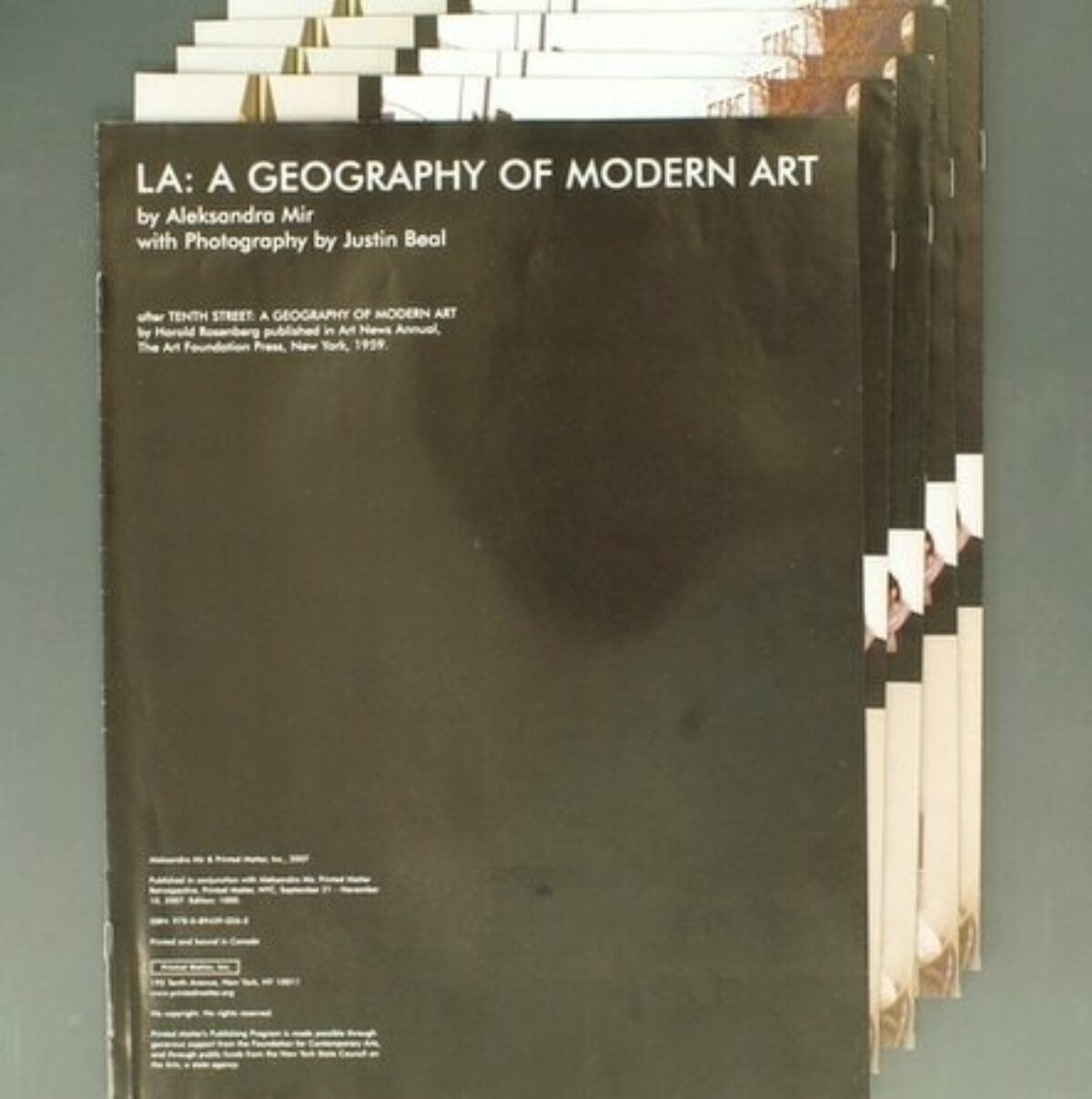
LA: A Geography of Modern Art

Aleksandra Mir

Aleksandra Mir’s oversized booklet is a modern, west coast take on Harold Rosenberg’s “Tenth Street: A Geography of Modern Art” published in Art News Annual by the Art Foundation Press in 1959. Mir’s version reads almost like an art school brochure, designed to give perspective students a glimpse at what “residential life” is like in the Southern Californian art scene. Photographs by Justin Beal document the bar scene, dinners, lectures, dance workshops, openings, and events where art appears as background scenery against which an international group of artists and students mingle.

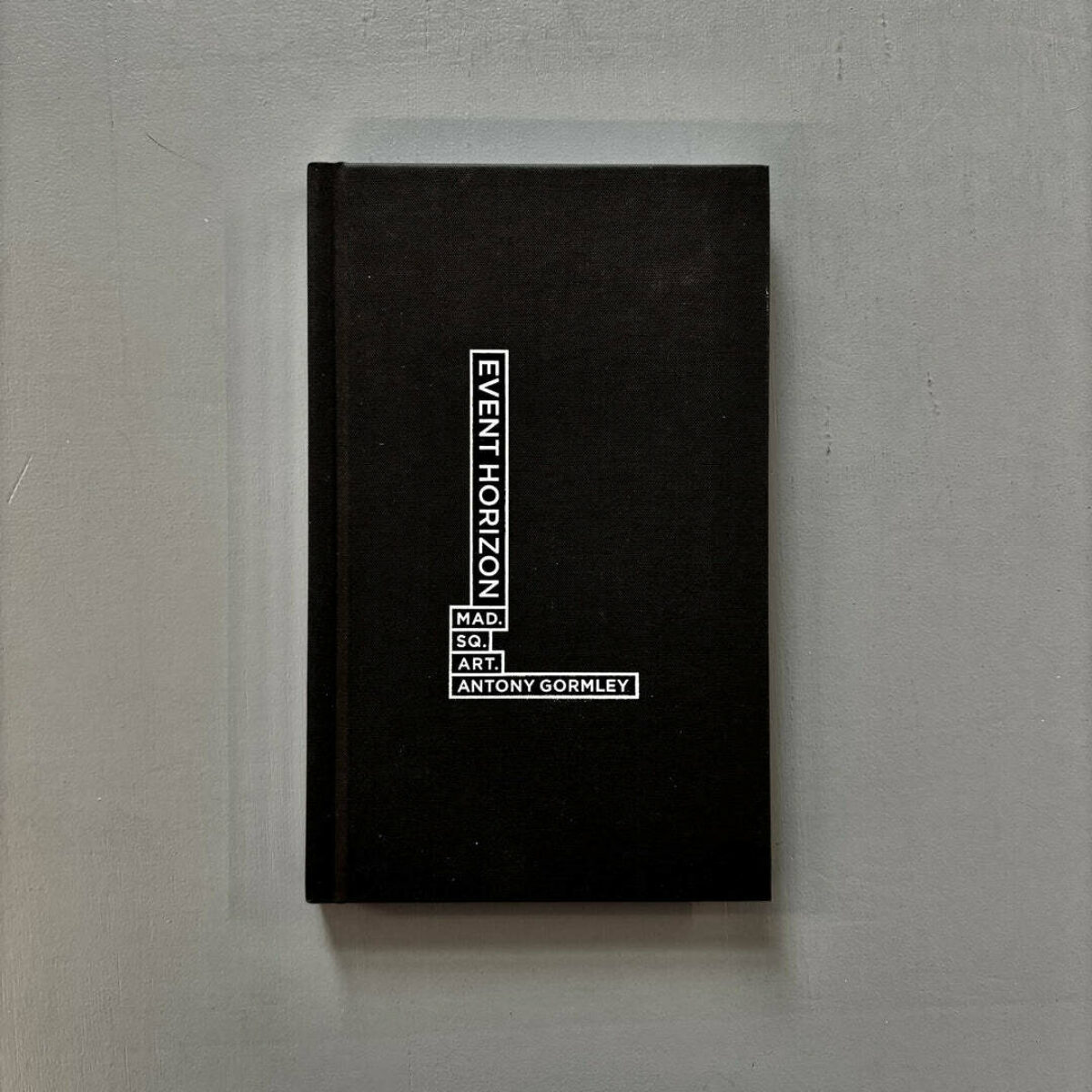
Antony Gormley Event Horizon: MAD. SQ. ART.

Colm Toibin

The official Event Horizon New York exhibition catalogue, produced in a limited edition, includes over 70 photographs by James Ewing of the installed sculptures and candid reaction shots of New Yorkers on the street encountering them for the first time. The book also features an original short story by Man Booker-prize nominated novelist Colm Tóibín and reflections by an array of New Yorkers, including NYC Parks Commissioner Adrian Benepe, area restaurateur Danny Meyer, architects Deborah Berke and Hugh Hardy, and Pentagram’s Paula Scher.

Photography Box Set
(12 books)

This Box Set presents a selection of books that showcase generative uses of photography as an artistic medium. It includes titles exploring photography’s role in challenging injustices, capturing everyday life, and advancing social movements. Other titles foreground how artists use this technology to interrogate the status and nature of photographic "truth" and the ways that images uphold social norms.

This Box Set is recommended for a general readership.

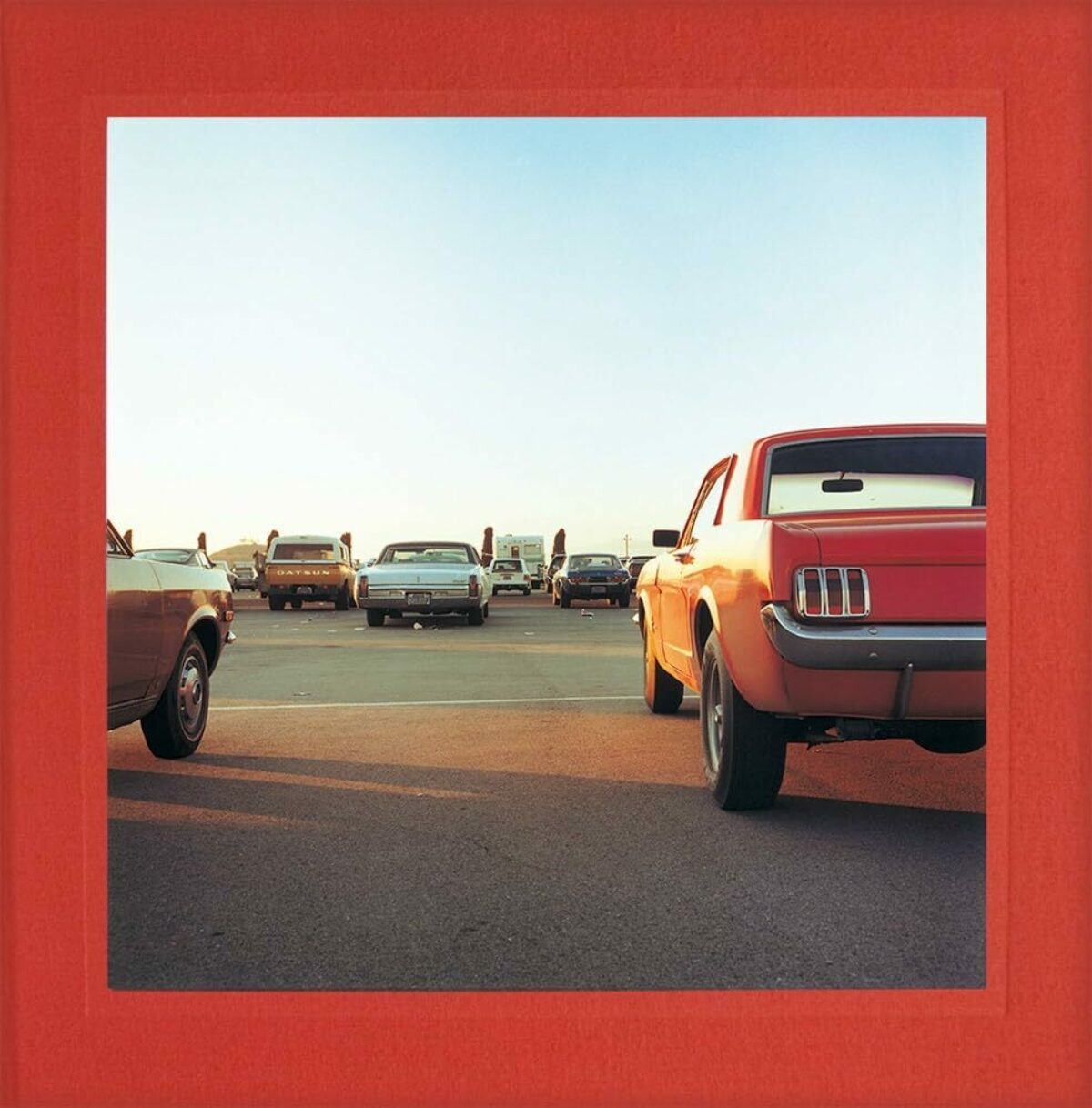
William Eggleston: 2 1/4

William Eggleston

Born and raised in Mississippi and Tennessee, William Eggleston began taking pictures during the 1960s after seeing Henri Cartier-Bresson’s The Decisive Moment. In 1966 he changed from black-and-white to color film, perhaps to make the medium more his own and less that of his esteemed predecessor. John Sarkowski, when he was curator of photography at the Museum of Modern Art, called Eggleston the ‘first color photographer,’ and the world in which we consider a color photograph as art has changed because of him.

Modern Look: Photography and the American Magazine

Mason Klein

A fascinating exploration of how photography, graphic design, and popular magazines converged to transform American visual culture at mid-century. This dynamic study examines the intersection of modernist photography and American commercial graphic design between the 1930s and the 1950s. Avant-garde strategies in photography and design reached the United States via European émigrés, including Bauhaus artists forced out of Nazi Germany. The unmistakable aesthetic made popular by such magazines as Harper’s Bazaar and Vogue—whose art directors, Alexey Brodovitch and Alexander Liberman, were both immigrants and accomplished photographers—emerged from a distinctly American combination of innovation, inclusiveness, and pragmatism. Beautifully illustrated with more than 150 revolutionary photographs, layouts, and cover designs, Modern Look considers the connections and mutual influences of such designers and photographers as Richard Avedon, Lillian Bassman, Herbert Bayer, Robert Frank, Lisette Model, Gordon Parks, Irving Penn, Cipe Pineles, and Paul Rand. Essays draw a lineage from European experimental design to innovative work in American magazine design at mid-century and offer insights into the role of gender in fashion photography and political activism in the mass media.

Looking In, Looking Out: Latin American Photography

Delphine Sims

The documentary nature of Latin American photography has brought clarity and artistic appreciation to the countries of the region since the camera arrived in the 19th century. The photographers of Brazil, Colombia, Cuba, Guatemala, Mexico, and other nations have captured the traditions, societal changes, urban and natural landscapes, and varied architecture of their countries. Selected from Santa Barbara Museum of Art's permanent collection, 'Looking In, Looking Out: Latin American Photography' investigates the cultures and histories of various Latin American countries through the lens of nostalgia, propaganda, a populist aesthetic, and evolving perspectives. Published in cooperation with the Santa Barbara Museum of Art in conjunction with their exhibition of the same name opening in October 2015, this book will be an important addition to the literature available on Latin American photography. 'Looking In, Looking Out: Latin American Photography' presents work by twenty photographers that spans some 80 years. It opens with an insightful introduction by Delphine Sims, putting the photographers and their work into an historical, aesthetic and sociological perspective.

Stutters

Dominique Hurth

In 2014, Hurth encountered four boxes of cyanotype prints by Thomas W. Smillie, the first custodian and curator of the Smithsonian Institution’s collection of photography (active 1868 to 1917). In her new work Stutters, Hurth builds on several years’ research to rework the original cyanotypes into visual montage, sequencing images that provide a record of Museum life as it documents a ‘national’ collection in the making. The work presents photographs of empty display cabinets and staged objects within the Smithsonian’s holdings, following divergent threads of photographic history, exhibitionship and collection-making, as well as developments in various technological apparatuses across the late 19th and early 20th century.

Through a meticulous process of xerox and printing reproduction, Hurth enlarges the world of each image and traces a photographic lineage, a process itself indebted to the cyanotype. Two overlapping sets of captions from the artist offer a subjective and scientific view of the photographs, inviting a cross-referencing of the “official”, if incomplete, bibliographic record with one that moves more freely across a historical timeline as a way to reflect on gaps in the archive.

Stutters includes three new texts, with Hurth considering the book’s entwined interests, as well as her own personal history with the Smithsonian and the work of Smillie. Additional contributions by authors and curators Ruth Noack and Kari Conte consider the ways in which artists’ projects like Stutters can quietly break apart the violent taxonomy of an archive, and instead use this shifting fragmentation to envision new meaning and bring into focus voices that have been excluded from history.

Memories of the Southern Civil Rights Movement

Danny Lyon

In the summer of 1962, Danny Lyon packed a Nikon Reflex and an old Leica in an army bag and hitchhiked south. Within a week he was in jail in Albany, Georgia, looking through the bars at another prisoner, Martin Luther King Jr. Lyon soon became the first staff photographer for the Atlanta-based Student Nonviolent Coordinating Committee (SNCC), which already had a reputation as one of the most committed and confrontational groups fighting for civil rights.

"This young white New Yorker came South with a camera and a keen eye for history. And he used these simple, elegant gifts to capture the story of one of the most inspiring periods in America’s twentieth century." — John Lewis, US Congressman

Between Artists: Paul Chan / Devin Kenny

Paul Chan, Devin Kenny

In this spirited conversation, Paul Chan and Devin Kenny engage bootlegging as a lens to unpack wide-ranging concerns around technology, access, and power. Probing its entanglements with copyright, racialized dynamics of data extraction, and large language models, they ask, among other things, what it means to appropriate our means of production in a moment when, as they suggest, “the tools we use also, very much, use us.”

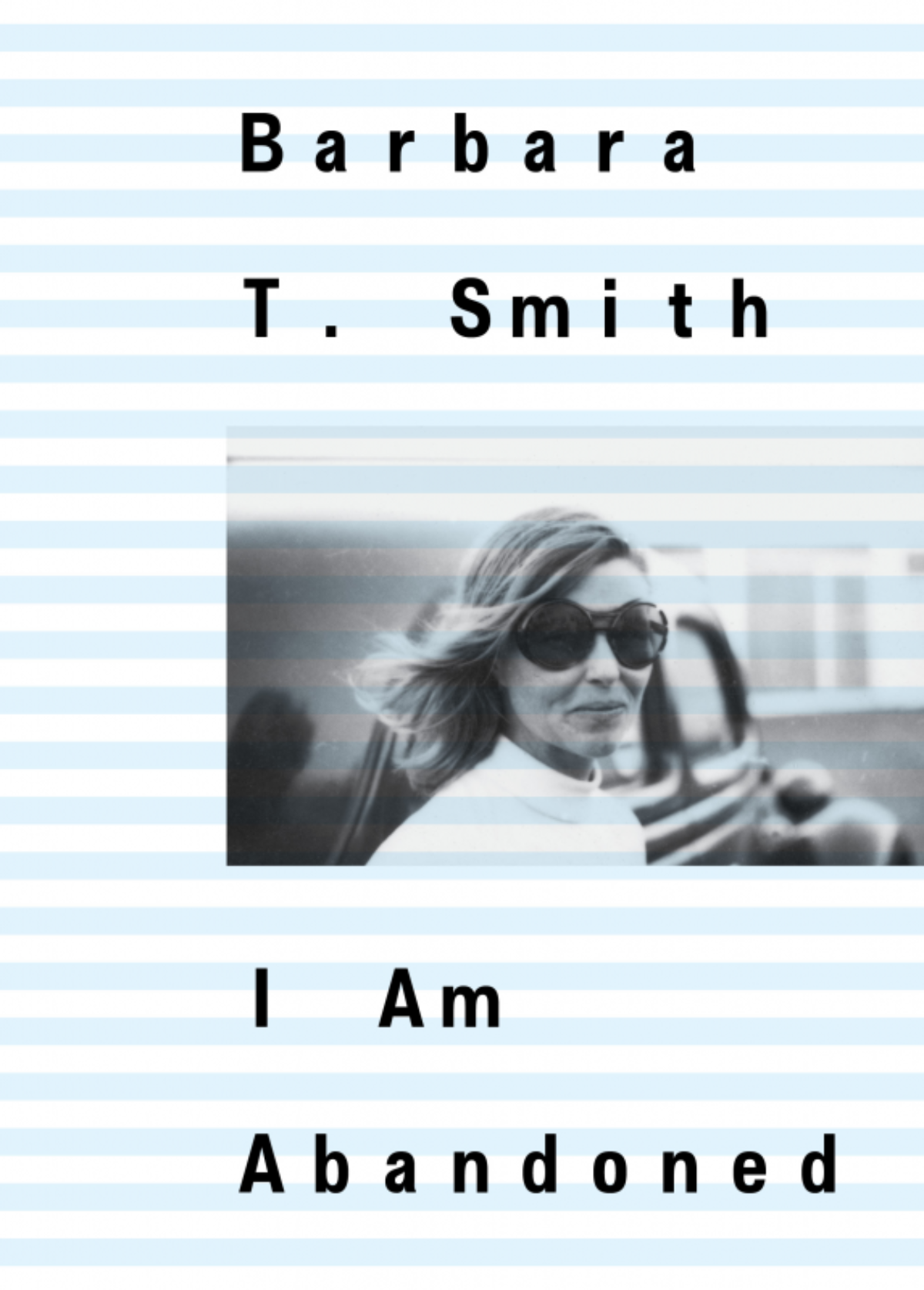
Barbara T. Smith: I Am Abandoned

Barbara T. Smith

I Am Abandoned documents a little-known, but visionary performance by Barbara T. Smith. Taking place in 1976, it featured a conversation in real time between two psychoanalytic computer programs (known today as two of the earliest chatbots) alongside a staging of Francisco Goya’s The Naked Maja (1795–1800) and The Clothed Maja (1800–1807), in which the artist projected an image of the famous painting on top of a female model. The publication includes a full transcript of the “conversation” between the two programs; documentation and ephemera from the performance; Smith’s reflections on the night; and an afterword by scholar and artist Mashinka Firunts Hakopian.

I Am Abandoned was part of the exhibition The Many Arts and Sciences at the California Institute of Technology (Caltech) and rather than simply celebrate new technology, Smith also sought to challenge what she saw as a “built-in problem” that “computers were only a new example of the male hypnosis.” In collaboration with computer scientist Dick Rubinstein, she enlisted the computer science teams at Caltech and the Massachusetts Institute of Technology to mount a conversation between a program named DOCTOR, which was designed to be a surrogate therapist, and another named PARRY, which was trained to mimic a paranoid schizophrenic patient.

While the computer operator worked in the next room, each new page of the conversation was projected on the wall where a model dressed as The Clothed Maja reclined beneath the text, with a slide of the nude version of the same painting, The Naked Maja, projected onto her. The audience was rapt with attention for the livestreamed conversation. The performance went on for nearly two hours, before the model eventually grew furious from being ignored (abandoned) by the computer operator, stormed over, and attempted to seduce him. Shortly after, the gallery director pulled the plug on the entire event, claiming it distracted the audience for too long from the other works on view.

To revisit I Am Abandoned today is to see the artistic and truly liberatory potential that art can have when it intervenes in new technologies. Much like the original performance, in which the model grew alienated from the proceedings, what gradually emerges are the stakes these new technologies present. Against today’s backdrop of AI and a still male-dominated tech field, Smith’s early work with emerging technologies, and in this case chatbots, is prophetic and hints at the contemporary conversation around the gendered and racialized machinic biases of our current computational landscape. Though Smith, like many women of her generation, was overlooked by the landmark surveys of art and technology during the 1960s and 70s, her career incisively probed new technologies, using them to question gender dynamics, community, and self. Her projects from the Coffin books (1966–67), created with a 914 Xerox copier in her dining room, to performances like Outside Chance (1975), which created a small snow squall in Las Vegas out of 3,000 unique, computer-generated snowflakes, and the interactive Field Piece (1971), where participants’ movements altered the soundscape of a fiberglass forest, all exemplify her open-ended approach to art and tech. “Each person lit their own way,” Smith remembers, “And produced their own soundtrack.”

Barbara T. Smith is an important figure in the history of feminist and performance art in Southern California. Her work—which spans media and often involves her own body—explores themes of sexuality, traditional gender roles, physical and spiritual sustenance, technology, communication, love, and death. Smith received a BA from Pomona College in 1953, and an MFA in 1971 from the University of California, Irvine. There she met fellow artists Chris Burden and Nancy Buchanan, with whom she co-founded F-Space in Santa Ana, the experimental art space where many of her performances were staged. Smith’s work has been exhibited since the 1960s in solo exhibitions, at the Institute of Contemporary Art, Los Angeles (2024), the Getty Research Institute, Los Angeles (2023), and Pomona College Museum of Art (2005), and featured in group exhibitions, including how we are in time and space: Nancy Buchanan, Marcia Hafif, Barbara T. Smith, Armory Center for the Arts, Pasadena (2022), State of Mind: New California Art Circa 1970, Orange County Museum of Art, Santa Ana (2012); WACK! Art and the Feminist Revolution, Museum of Contemporary Art, Los Angeles (2007); and Out of Actions: Between Performance and the Object, 1949–1979, Museum of Contemporary Art, Los Angeles (1998). Smith is the recipient of the Nelbert Chouinard Award (2020), Civitella Ranieri Visual Arts Fellowship, Umbria, Italy (2014); Durfee Foundation’s Artists’ Resource for Completion (2005, 2009); Women’s Caucus for Art, Lifetime Achievement Award (1999); and several National Endowment for the Arts Grants (1973, 1974, 1979, 1985). The Getty Research Institute acquired Smith’s archive in 2014 and published her memoir, The Way to Be, in 2023. Her survey catalog, Proof: Barbara T. Smith was published by the Institute of Contemporary Art, Los Angeles in 2024.

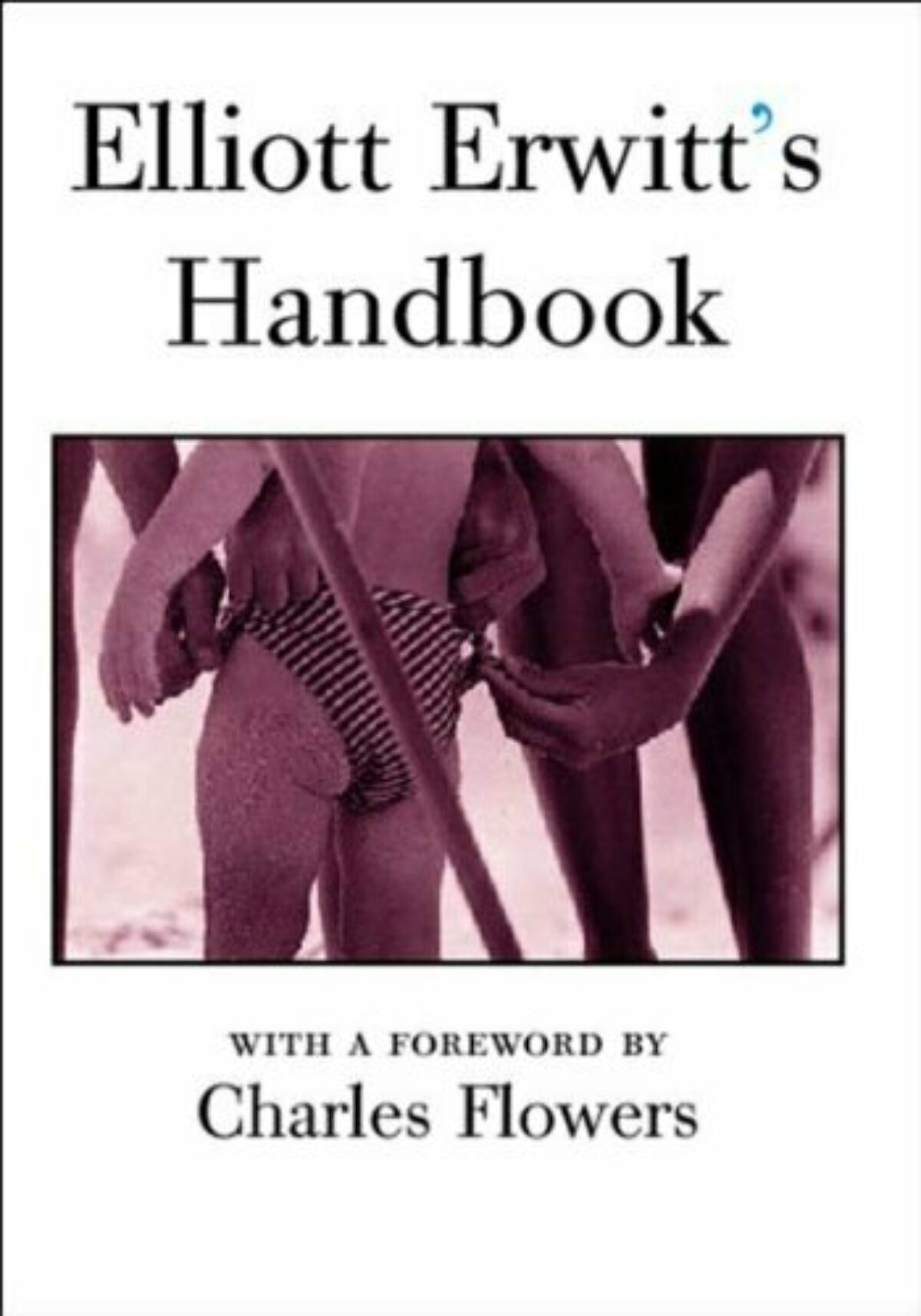
Handbook

Elliott Erwitt

What is it about hands? We think we communicate with words, but has anyone ever told that to an Italian? Where did the expression "tongue-tied" come from? No one ever tied a tongue. But tie their hands and about half the world's communicators would be silenced. The human (and sometimes non-human) hands are, with the possible exception of the eyes, the most expressive parts of the body, asking for more or less, telling us to come or to go, asking questions and answering them, scolding, rewarding, searching and finding, and, at their most intimate, loving and lustful. Hands reward us, calm us, feed us, and scratch our backs. They intimidate, bless, encourage, and stop us. They soothe, caress, and sometimes go where they shouldn't. We may take hands for granted. But Elliott Erwitt does not. Here is Erwitt at his most serious-and-yet-whimsical best, giving us the moments which, without hands, would not exist.

Please note: This title contains adult themes or language that may not be suitable for younger readers.

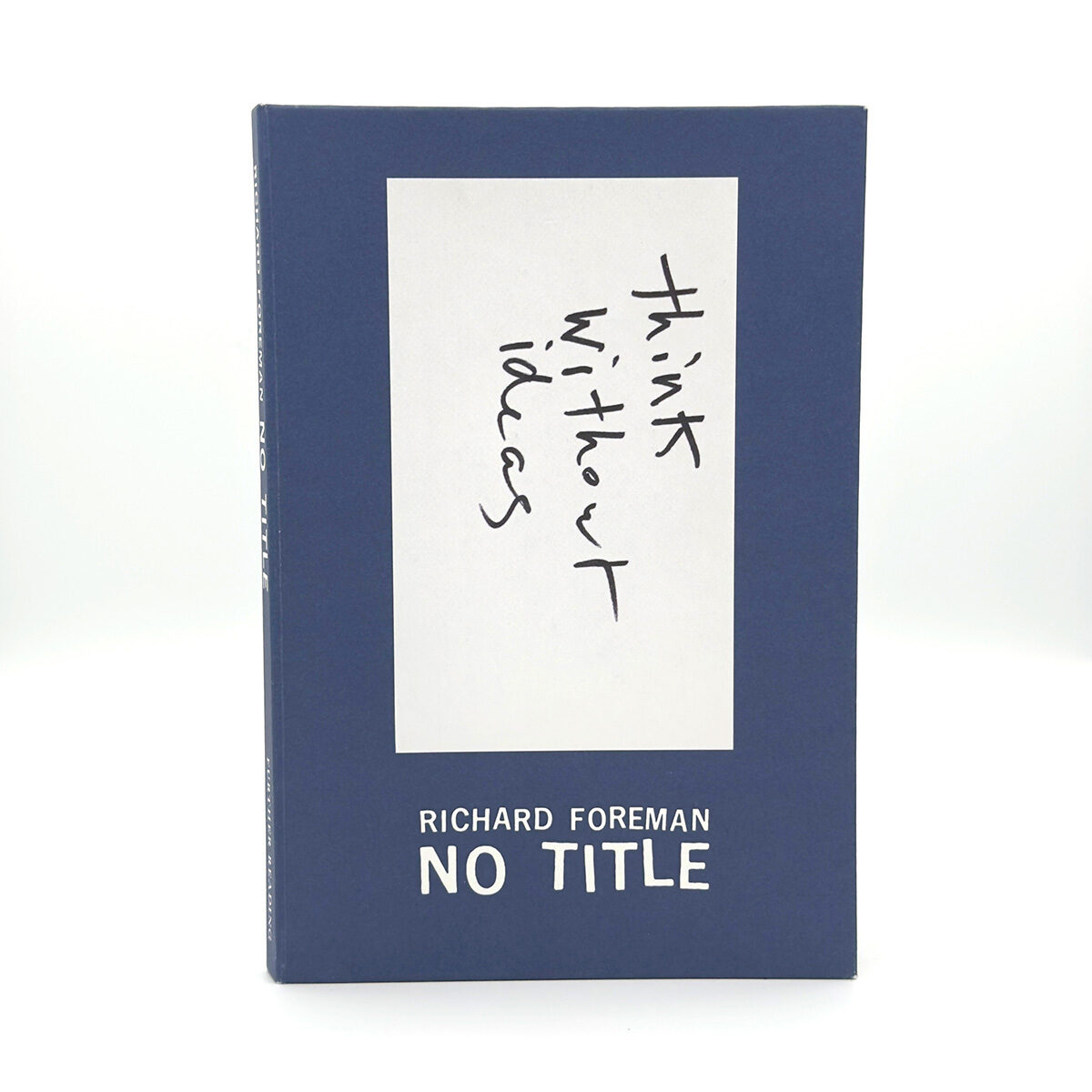
Richard Foreman: No Title

Introduction by Jennifer Krasinski

Richard Foreman (1937–2025) was a primary catalyst in the vital downtown NY theater scene that emerged in the 1960s. He wrote and directed more than forty verbally and visually singular productions with his Ontological-Hysteric Theater company in a career that spanned forty-five years. While Foreman published many of his scripts in his lifetime, Richard Foreman: No Title is a text unlike anything preceding it. Handwritten on a series of note cards, these aphoristic declarations and philosophical asides hover between being a stream of consciousness dialogue and a message sent from another world. Foreman’s wonderfully elliptical words are counterposed with photographs of the mystifying diorama-like maquettes that he created while staging a number of his plays.

AN ARRANGED AFFAIR

Sally Alatalo

On the occasion of the exhibition Sally Alatalo: Narrative in Revision Printed Matter has published An Arranged Affair, a new work by Alatalo, with a foreword by Hannah B Higgins.

With this project, Alatalo has resituated her earlier work A Rearranged Affair, a re-collation of a series of romance novels, with renewed attention to the literary possibilities and revelations of the texts in a more consciously narrative revision. Meticulously selected and connected by Alatalo, the character names and specific storylines are continually traded out, but the arc of the action is familiar and the narrative carries on convincingly.

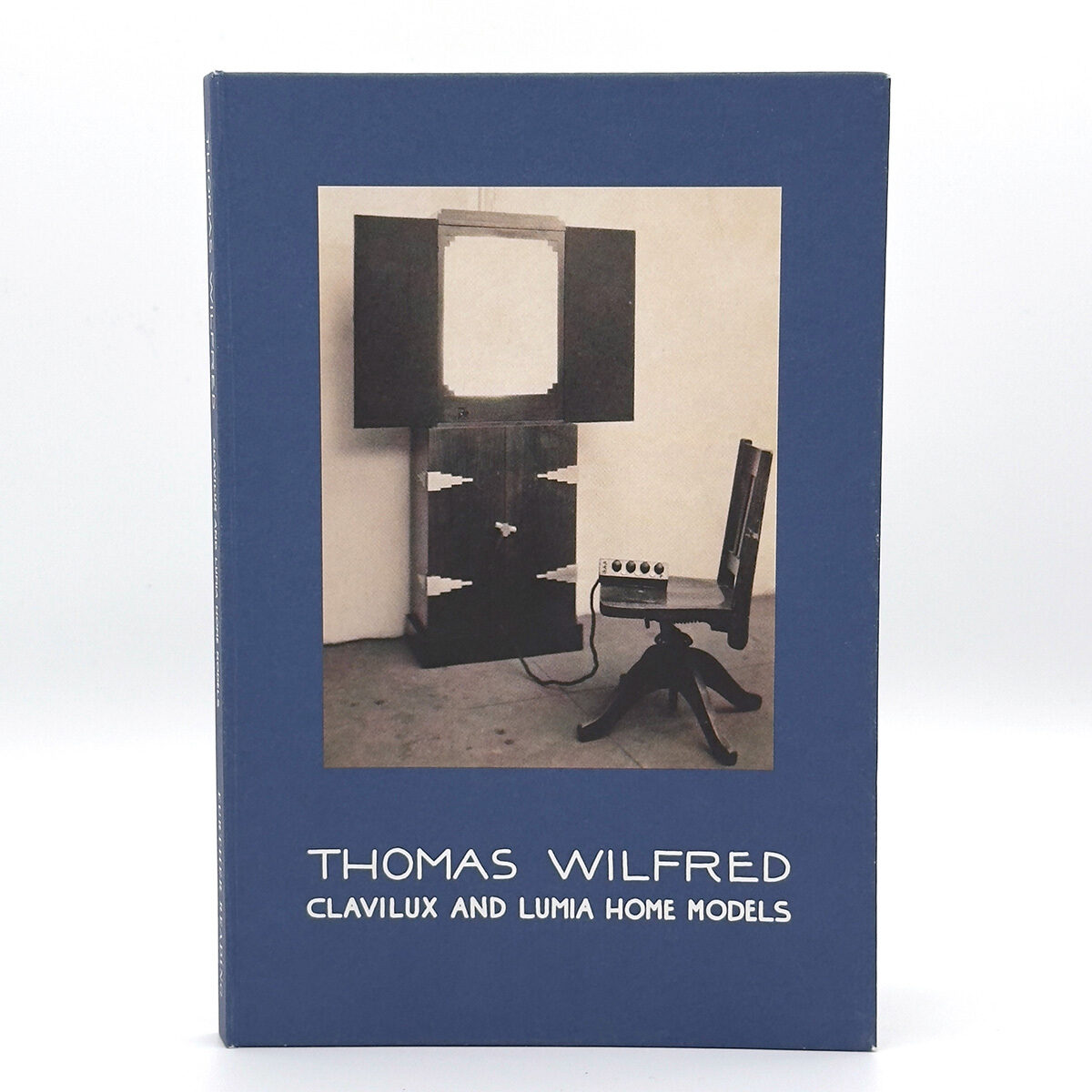
Thomas Wilfred: Clavilux and Lumia Home Models

Introduction by Doug Skinner

Thomas Wilfred (1889–1968) devoted his life to the creation of a new art form, the art of light, which he termed "Lumia." In the 1920s, Wilfred toured the US and Europe to great acclaim staging colored-light recitals with his Clavilux organ. By the late '20s he had reinvented these large scale performances as self-enclosed light shows for living room entertainment. Wilfred’s aesthetically elegant and interactive Clavilux and Lumia home models were soon found in the collections of important art world figures and in major museums. His work was on view into the '80s at MoMA, where it was seen by many of the artists who came to work with light as their medium in the '60s and '70s. Thomas Wilfred: Clavilux and Lumia Home Models presents a fascinating collection of archival material culled from the Wilfred archive at Yale University and other sources, including never before published sketches by Wilfred and documentation of these strange glowing screens that predated television, video art, and psychedelia.

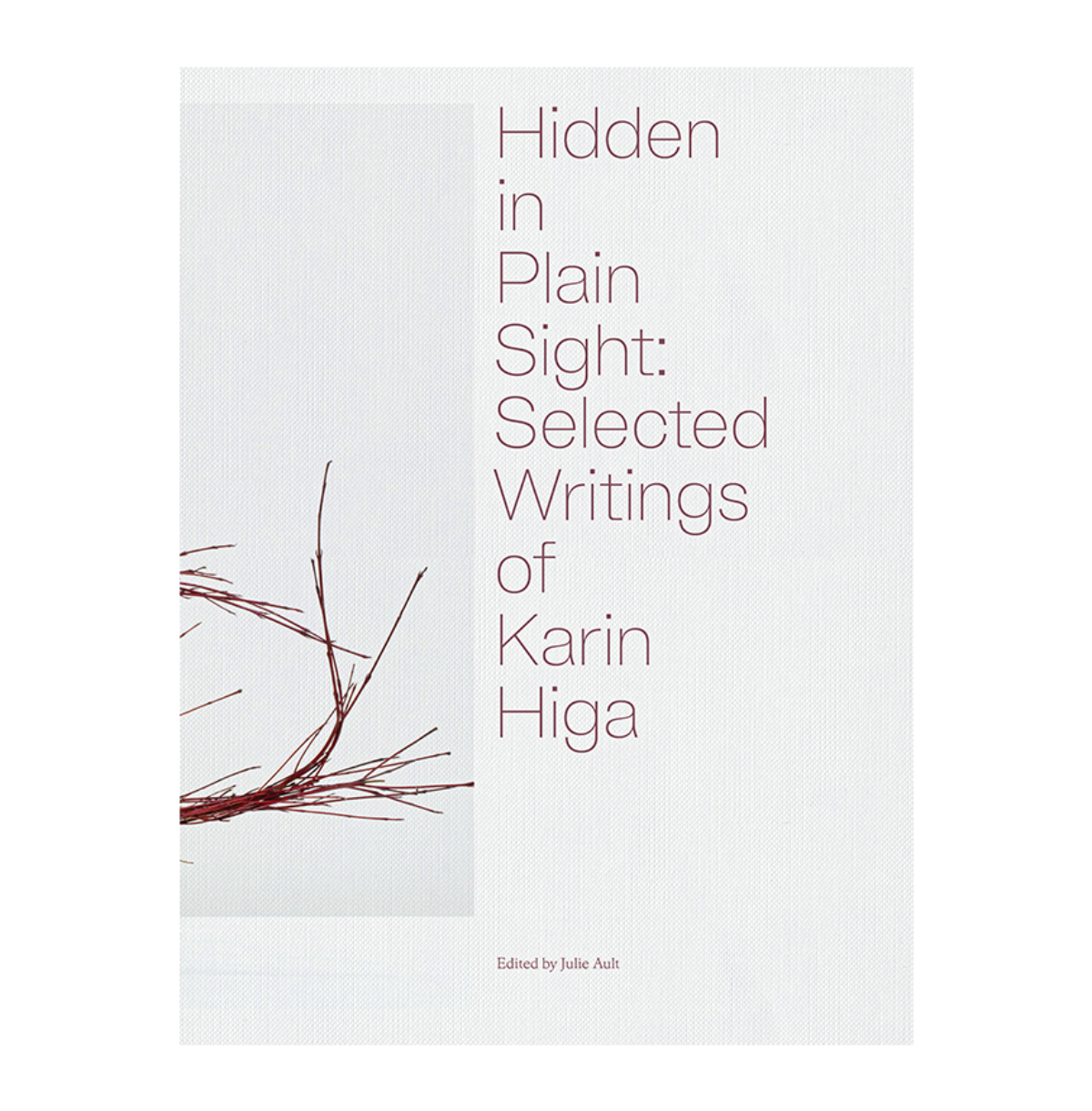
Hidden in Plain Sight: Selected Writings of Karin Higa

Foreword by Pamela M. Lee, introduction by Julie Ault

Edited by the renowned artist, curator, writer, and editor Julie Ault, Hidden in Plain Sight brings together essential writings by the art historian and curator Karin Higa (1966–2013). The selected essays, written between 1992 and 2011, focus on the creation of Japanese internment camps and the artistic production and communities that took root within them, as well as on the individual and collective narratives of Asian American artists in response to discriminatory immigration policies. While exploring issues of national identity and immigration, Higa recuperates significant artists and oeuvres from historical neglect and regards works by contemporary artists to examine how art acts as both a source for cultural identity and a transmitter of culture.

This book reveals how Higa’s conviction that art and the lived experience of the past are indissolubly linked was at the root of her methodological modeling of an Asian American art history. Moving between portrayals of milieux such as artists’ networks in the camps, Little Tokyo communities, and cities around the world—across ethnic, geographic, and stylistic boundaries—and case studies of oeuvres and biographies, she recovers vital art practices and hidden histories of creative struggle and efflorescence, in the process mapping individual practices, networks, and communal life, as fertile creative contexts. Higa shows how artists of Asian descent have moved past the divide between United States and their ancestral homes by using their freedom as artists to more broadly define their culture.

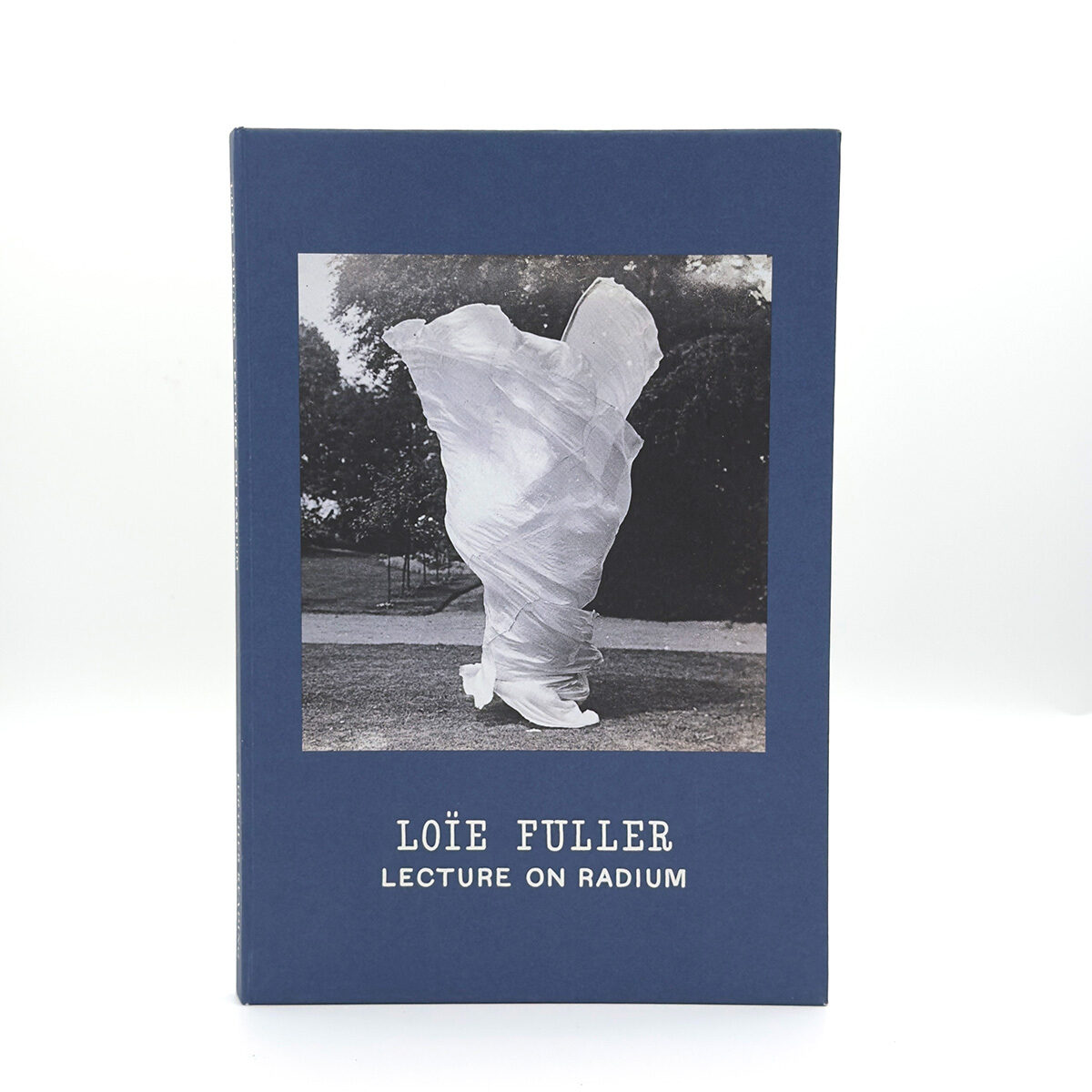
Loïe Fuller: Lecture on Radium

Introduction by Tom Gunning

Loïe Fuller’s (1862–1928) luminously radical dance performances at the turn of the century were unlike anything that had ever been staged or seen before. She was a true pioneer in creating special effects and using electricity in new and wildly inventive ways. While her profound influence on writers and artists such as Mallarmé and Rodin is well documented, less well known is Fuller’s passion for technology and her involvement with the leading scientists of the time. Loïe Fuller: Lecture on Radium presents Fuller’s scientific forays in her own words alongside an array of archival documents and photographs of the dancer in action. The centerpiece of the book is her 1907 lecture on the invention of radium, her notes on meeting Marie and Pierre Curie and Thomas Alva Edison, and her literally explosive efforts to create a glow-in-the-dark dance performance. This book presents Fuller’s eccentric passions and pioneering pursuits in a fresh light.

Drawing + Painting Box Set
(14 books)

Drawing and Painting are foundational mediums to the history of art. This Box Set is a selection of artist monographs and exhibition catalogs, showcasing diverse techniques and subject matter expressed in these mediums across the 20th and 21st centuries.

This Box Set is recommended for a general readership.

Marlene Dumas: Myths and Morals

Marlene Duma, Claire Messud

Myths & Mortals documents a selection of paintings—debuted in the spring of 2018 at David Zwirner, New York—ranging from monumental nude figures to intimately scaled canvases that present details of bodily parts and facial features. Several nearly ten-foot-tall paintings focus on individual figures, including a number of male and female nudes and a seemingly solemn bride, whose expression is obscured behind a floor-length veil. Like the Greek gods and goddesses, the figures in these paintings are at once larger than life and overwhelmingly human. The smaller-scale paintings—referred to by the artist as “erotic landscapes”—present a variety of fragmentary images: eyes, lips, nipples, or lovers locked in a kiss. Evident across all of these works is the artist’s uniquely sensitive treatment of the human form and her constantly evolving experimentation with color and texture.

Alongside these paintings, Dumas presents an expansive series of thirty-two works on paper originally created for a Dutch translation of William Shakespeare’s narrative poem Venus & Adonis (1593) by Hafid Bouazza (2016). Myths & Mortals is accompanied by new scholarship on the artist by Claire Messud and a text by Dumas herself.

Nate Lowman

Nate Lowman

A stunning, focused document of Nate Lowman’s work from the past four years

“Brewing the good, the bad, and the ugly of consumerist modern life in his masterful paintings, Lowman draws a portrait of the times that is equally mischievous and somber.” —BOMB Magazine

With an archive of source material amassed and processed over time, Lowman creates slippery, layered images that transform visual referents found in the news, media, and art history. In this volume, Lowman plays with cataclysmic imagery that probes the tensions between the everyday and the extreme, presence and absence, and violence and representation. In his vibrant paintings of digitally rendered hurricane imagery and crime scene photography cataloging the aftermath of the October 2017 mass shooting in Las Vegas, he considers the physicality of his medium in connection to the chaos of his subject matter.

Spotlighting Lowman’s exhibitions at David Zwirner in London and New York along with other recent work, this monograph includes a text by Lynne Tillman that provides a unique perspective across all bodies of Lowman’s oeuvre. In an interview with Andrew Paul Woolbright for The Brooklyn Rail, Lowman discusses his engagement with representation and meaning, twentieth-century gestural and pop art, slow painting, and American violence.


Anni Albers: Notebooks

Anni Albers

A superb facsimile of the only known notebook of legendary artist Anni Albers, this publication offers insight into the methodology of a modern master.

Beginning in 1970, Anni Albers filled her graph-paper notebook regularly until 1980. This rare and previously unpublished document of her working process contains intricate drawings for her large body of graphic work, as well as studies for her late knot drawings. The notebook follows Albers's deliberations and progression as a draftsman in their original form. It reveals the way she went about making complex patterns, exploring them piece by piece, line by line in a visually dramatic and mysteriously beautiful series of geometric arrangements.

An afterword by Brenda Danilowitz, Chief Curator of The Josef and Anni Albers Foundation, contextualizes the notebook and explores the role studies played in the development of her work.

Prince Eagle

Elizabeth Peyton

Obsessed by the life of Napoleon, Elizabeth Peyton met a man who bore a striking resemblance to the emperor, and began this series of striking paintings and photographs depicting her obsession with him.

Elizabeth Peyton, born in Danbury, Connecticut, received her BFA from the School of Visual Arts, New York. She has exhibited her work at venues around the world, including the Venice Biennale; the Saatchi Gallery, London; the Los Angeles County Museum of Art; and P.S. 1 Contemporary Art Center, New York. Her work is in museums worldwide including the Museum of Fine Arts, Boston; the San Francisco Museum of Modern Art; the Walker Art Center, Minneapolis; and The Museum of Modern Art, New York. Prince Eagle is Peyton’s fifth monograph. She lives and works in New York.

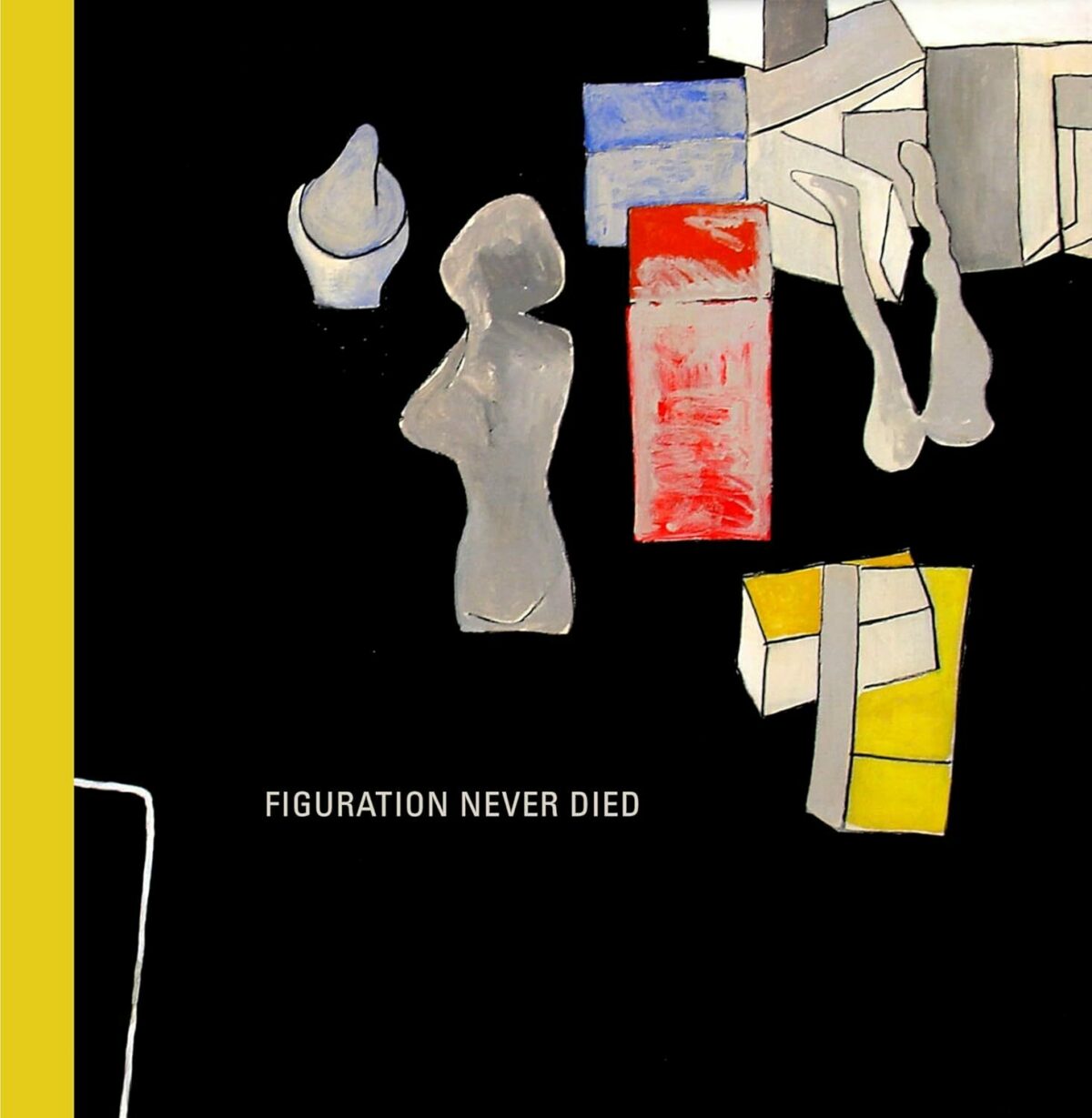
Figuration Never Died: New York Painterly Painting, 1950–1970

Essay by Karen Wilkin, Foreword by Bruce Weber, Contribution by Danny Lichtenfeld

"By about 1950, forward-looking New York painting was seen as synonymous with abstraction, especially charged, gestural Abstract Expressionism. But there was also a strong group of dissenters: artists, all born in the 1920s and many of them students of Hans Hofmann, who never lost their enthusiasm for recognizable imagery, without rejecting Abstract Expressionism’s love of malleable oil paint. Although most of them began as abstract artists, they all evolved into painters working from observation, using a fluid, urgent touch to translate their perceptions into eloquent, highly individualized visual languages, almost always informed by the hand; that is, unlike the Color Field and Minimalist artists, these artists remained, for the most part, “painterly” painters. In light of their important contributions to twentieth-century American art, The Artist Book Foundation presents the catalogue for the Brattleboro Museum & Art Center's eponymous 2020 exhibition, Figuration Never Died: New York Painterly Painting, 1950–1970.

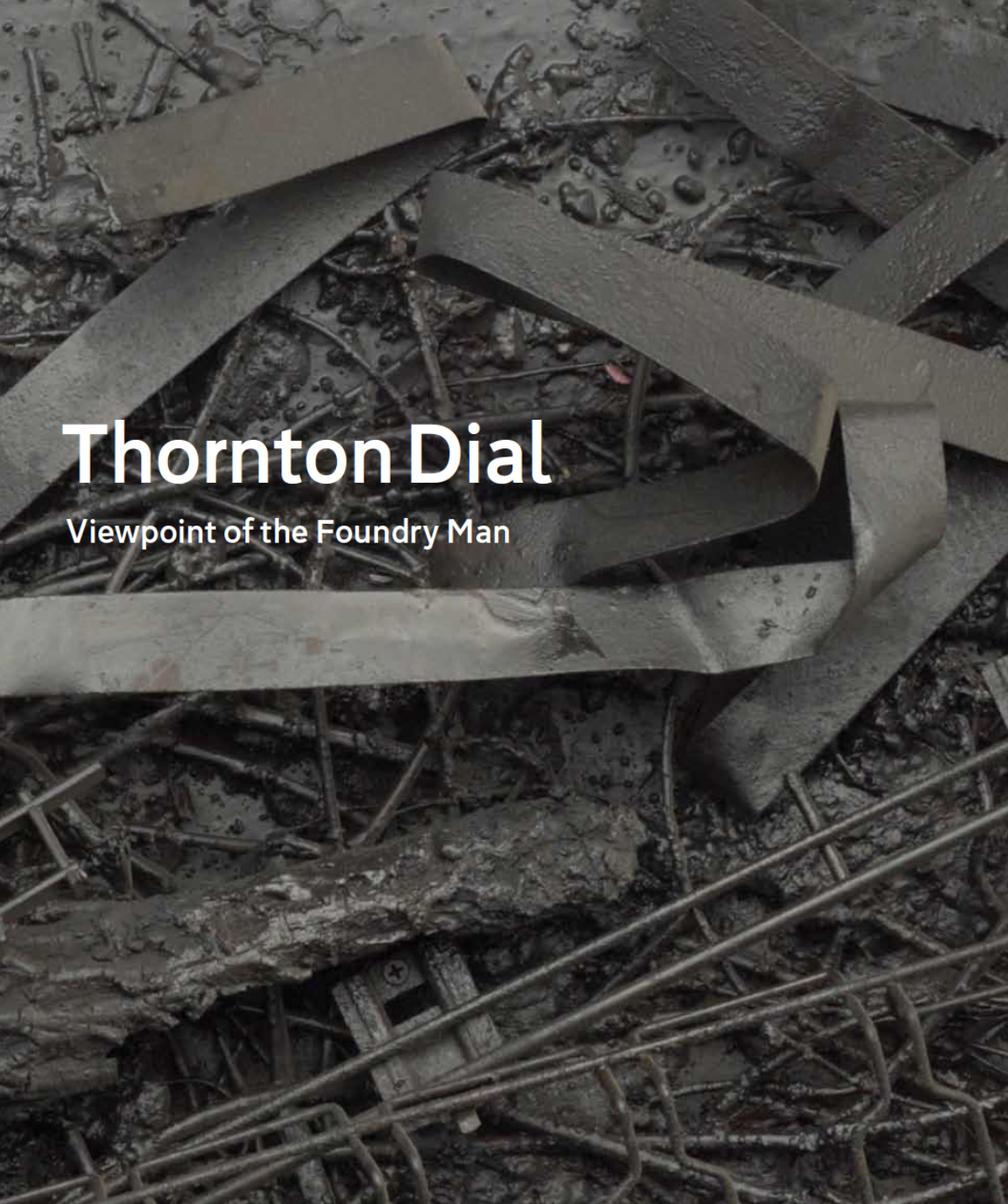
Thornton Dial: Viewpoint of the Foundry Man

Essays by Phillip March and Karen Wilkin.

Thornton Dial’s life has been forged on the hard edge of labor. From handling mules on his cousin’s farm in Alabama, at age five, to his years as a machinist at the Pullman Standard factory building train cars, Dial has developed an ethos of hard work, ingenuity, and fierce independence. Nowhere has this been more evident than in his art.

Dial’s work has historically focused on major social, cultural, political, and economic issues. He has addressed the complex and multilayered subjects of civil rights, women’s rights, and the plight of the poor, and has examined tragedies like the terrorist attacks of 9/11, and the war in Iraq. His work has been a tireless advocate of society’s underdogs, giving voice to the disenfranchised.

Futureways : The Middleburg

Rita McBride

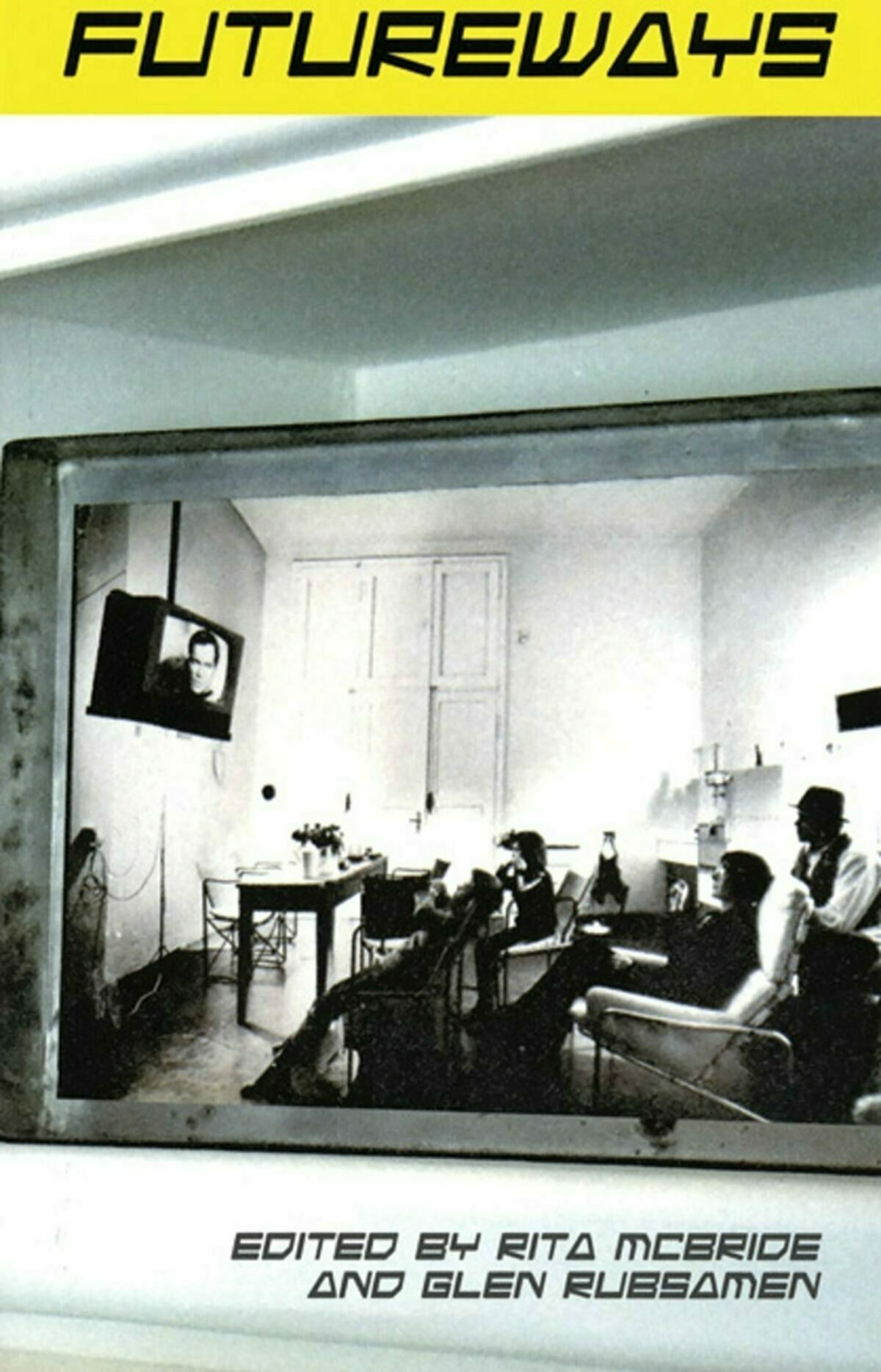
Presented in a more compact, 200 page perfect-bound format, this 2004 version extends the novel’s eleven original chapters to fourteen.

Contributions from Rita McBride, Laura Cottingham, Nick Crowe, Matthew Licht, Alexandre Melo and more form a collaborative portrait of a future not that unfamiliar from the present. Positing artists as individuals with “time-traveling” or “shapeshifting” capabilities, the texts engage with a modernist “art of the future” approach to imagine a tumbling, unsettling destiny permeated by extremes and preoccupied with the past.

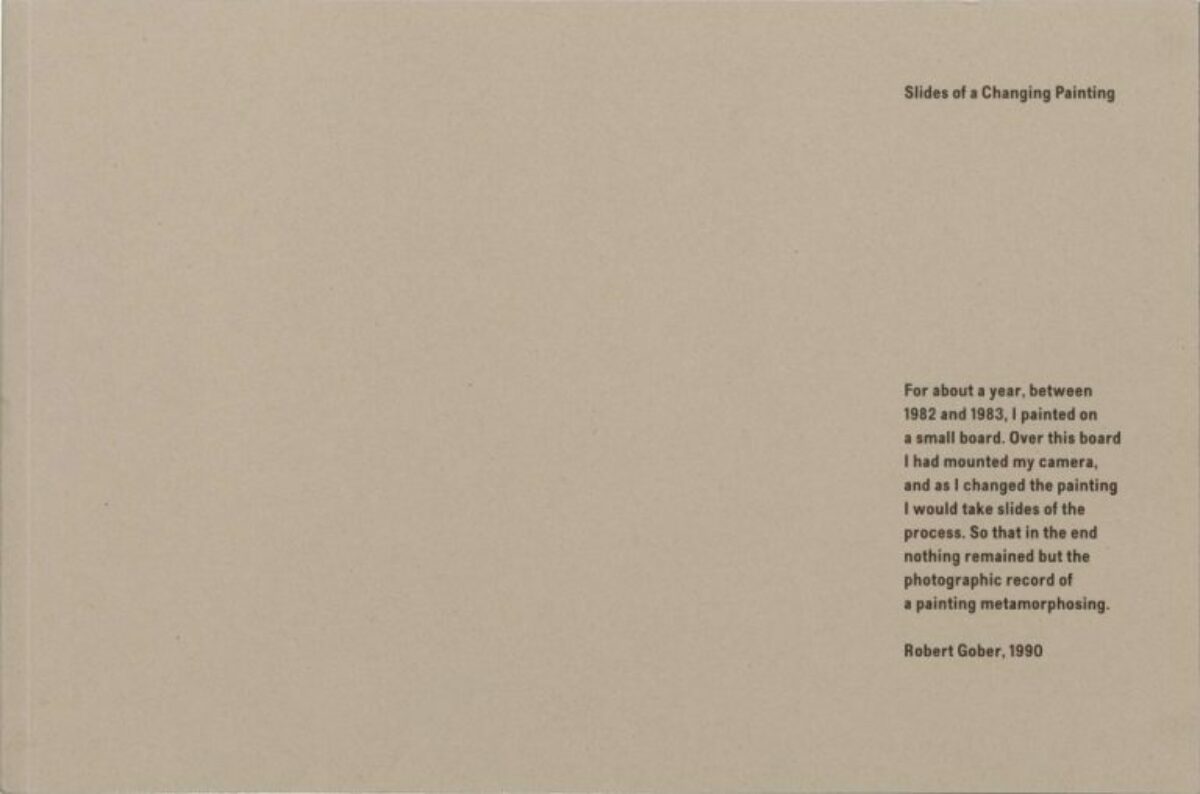
Robert Gober: Slides of a Changing Painting

Robert Gober

Slides of a Changing Painting is a new artist book by Robert Gober that takes as its point of departure the artist’s highly influential, yet rarely seen, early work of the same name—a slide presentation documenting a year-long evolution of a single painting. Presented at Paula Cooper Gallery in 1984 with three projectors and eighty-nine slides, the work showcased themes and subjects that would become central to Gober’s oeuvre and in hindsight, has come to be seen as a career-spanning lexicon for the artist’s practice. This artist book has been designed to replicate the experience of the original installation, with eighty-nine images dissolving into each other over the course of 368 pages, creating what Gober has referred to as the “memoir of a painting.” This is the first time that Slides of a Changing Painting has been showcased in its entirety in book form.

From 1982–83, Gober worked on Slides of a Changing Painting in his East 7th Street storefront, documenting the process as he repeatedly painted on a single Masonite board, reworking imagery or else starting over entirely. Motifs that would become important to his later sculptures and installations make their first appearances here, such as drains, pipes, flowing water, forests, lost garments, sinks, windows, and bare chests pierced with trees and waterfalls. His treatment of the human body here lays the groundwork for some of his most uncanny and surrealistic works. Made against the backdrop of cultural conservatism and an unchecked health epidemic that was rampant in the 1980s, Slides of a Changing Painting contains a bewildering mixture of dread and hope, with Gober’s queer identity and artistic sensibilities coming into remarkable focus—demonstrating a sense of vision that few artists have so early in their careers.

Robert Gober is an artist and sometime curator whose work has been exhibited since the early 1980s most notably in one person exhibitions at the Dia Art Foundation, New York, The Museum of Contemporary Art, Los Angeles, Walker Art Center, Minneapolis, Schaulager, Basel, The Museum of Modern Art, New York, Fondazione Prada, Milan, Glenstone, Potomac and the Serpentine, London. He represented the United States at the Venice Biennale in 2001. His curatorial projects have been shown at The Menil Collection, Houston, The Institute of Contemporary Art, Boston, Hammer Museum, Los Angeles, and Whitney Museum of American Art, New York. He lives and works in New York and Maine.

Pablo Ortiz Monasterio: The Last City

Pablo Ortiz Monasterio

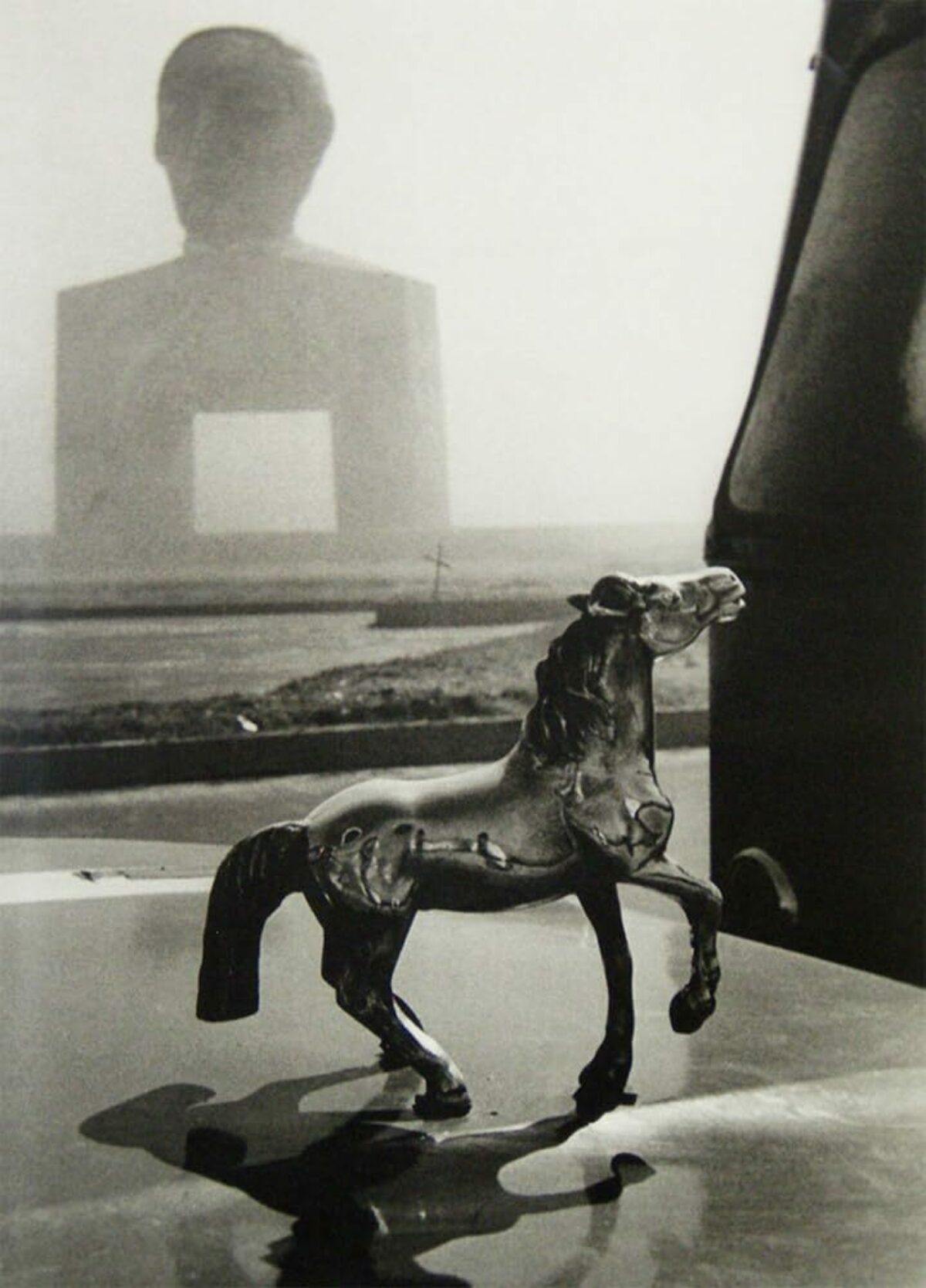
"Stendhal’s famous definition of the novel—a mirror carried along a road—could well apply to The Last City. But Ortiz Monasterio's is a selective mirror, precise and implacable, which retains only that which is worth preserving." — José Emilio Pacheco. Mexico City presents a post-apocalyptic paradigm, rivaled only, perhaps, by Los Angeles—it is a metropolis ravaged by immense poverty, crime, and the ill-effects of overpopulation. As a street photographer working in the tradition of committed documentary image-making, Ortiz Monasterio reveals Mexico City’s fragmentation.

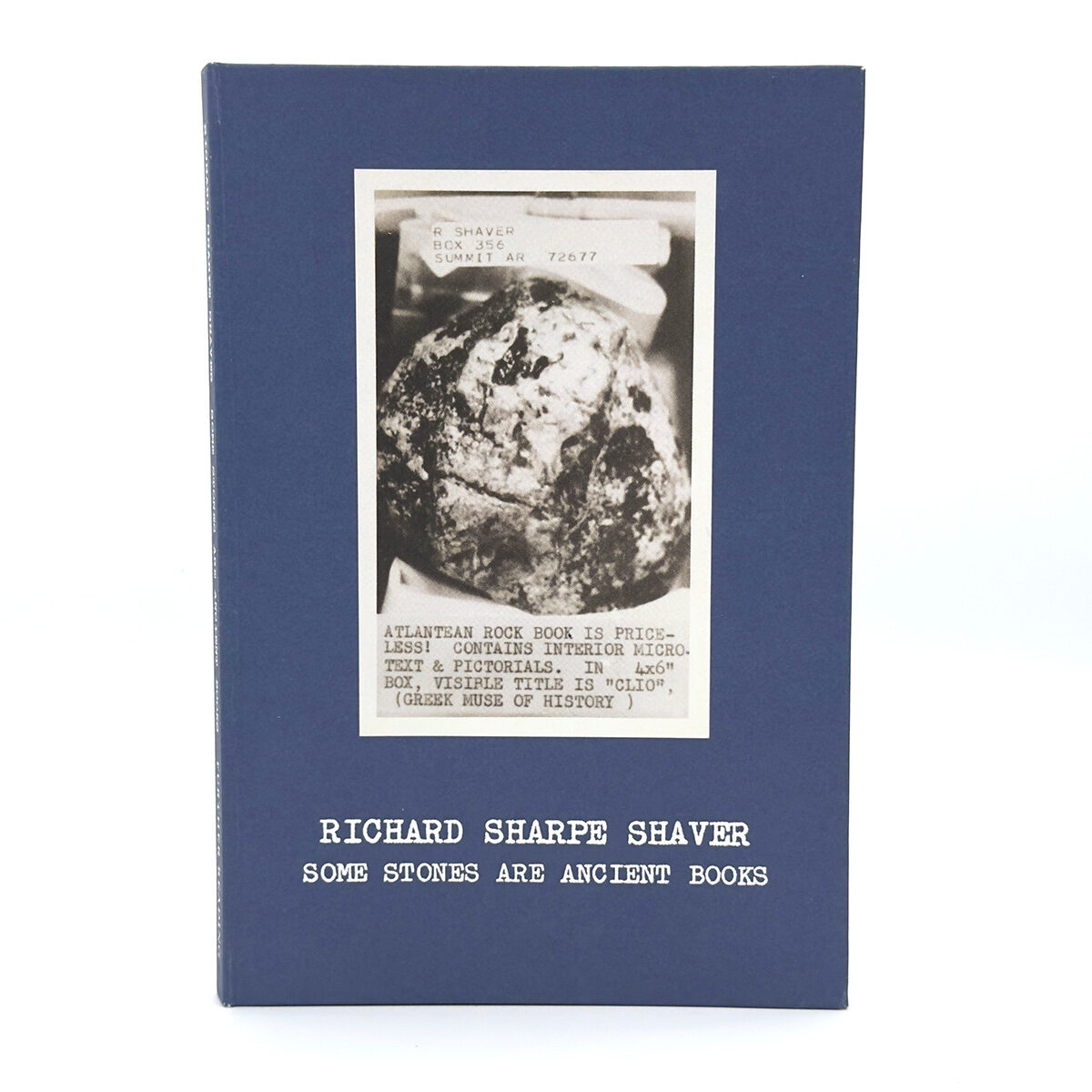
Richard Sharpe Shaver: Some Stones Are Ancient Books

Introduction by Brian Tucker

Science-fiction writer Richard Sharpe Shaver (1907–1975) believed that rocks were books. His controversial stories about an advanced prehistoric civilization and a race of evil beings living at the center of the earth appeared in Amazing Stories and other landmark sci-fi publications of the 1940s and '50s. A decade later he was living in relative isolation and devoting himself to rock book research, a course of study that he shared with a devoted fan base of students and correspondents. Richard Sharpe Shaver: Some Stones are Ancient Books contains a generous selection of Shaver’s Rokfogos, that is to say, rock-book documentation, accompanied by hand-typed texts in which he explains, not always patiently, what can be seen in these rocks. Also included are facsimiles of his handmade books and publications, all of which he felt to be of incalculable importance to civilization.

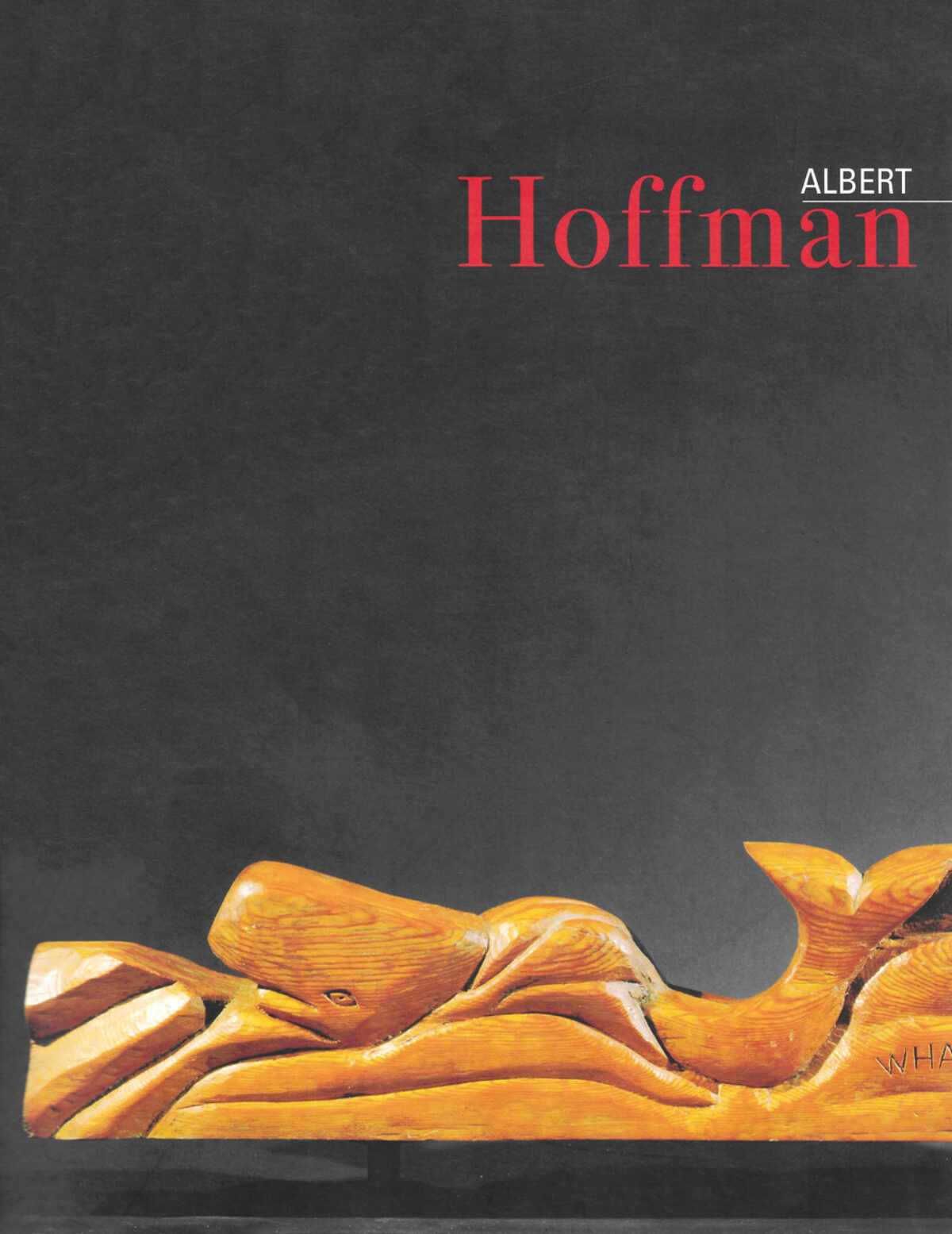
Albert Hoffman

Essay by Andrew Edlin.

Born in Philadelphia, Albert Hoffman (1915 – 1993) had a formal education that extended to the 8th grade, when it was cut short by the pressures of the Great Depression. He joined the Navy just after the attack on Pearl Harbor and was wounded in action. After the war he returned east to Atlantic City, settling in nearby Absecon where he went into the junk business. Shortly thereafter, Hoffman began to spend increasing amounts of his time carving simple reliefs

Chernobyl Legacy

Paul Fusco

Easily one of the most powerful documentary books published this year, it takes for its subject the devastated regions immediately surrounding the now-entombed Chernobyl nuclear power plant. Photographers Paul Fusco and Magdalena Caris take the viewer on a journey of unbelievable anguish to witness the toll meted out by humanity's worst technological disaster ever. It recalls the stirring and intense work of W. Eugene Smith decades earlier in the Japanese village of Minamata.
Photographers Fusco and Caris take the viewer on a journey of unbelievable anguish through the devastated regions immediately surrounding the now-entombed Chernobyl nuclear power plant, located in the Ukraine. A witness to the toll meted out by humanity's worst technological disaster and certainly one of the most powerful documentary books published this year. This book recalls the stirring and intense work of W. Eugene Smith decades earlier in the Japanese village of Minamata.

Please note: This title contains adult themes and may not be suitable for younger readers.

A MISTAKE IS A BEAUTIFUL THING

Devin Troy Strother, Yuri Ogita

A Mistake Is A Beautiful Thing is published by Printed Matter in collaboration with LA-based Coloured Publishing. The new hardcover work is the latest from designer Yuri Ogita and artist Devin Troy Strother, and follows a companion installation by Coloured Publishing at Printed Matter earlier this year.

The loosely organized collection of images – taken both by and of Devin and Yuri – offers an offhand perspective into the duo’s daily life as artists and publishers. Accompanied by short and often humorous captions, the photographs (sometimes overlapping) are comprised of glimpses into studio life – collages in progress, unhung paintings, spilled paint – as well as other encountered objects – book covers, plants, and many dime bags. The work moves indiscriminately through its recurring motifs to build on a dialog that is irreverent but assured, examining art and its references, cultural phenomena and the experience of being a person of color in the US.

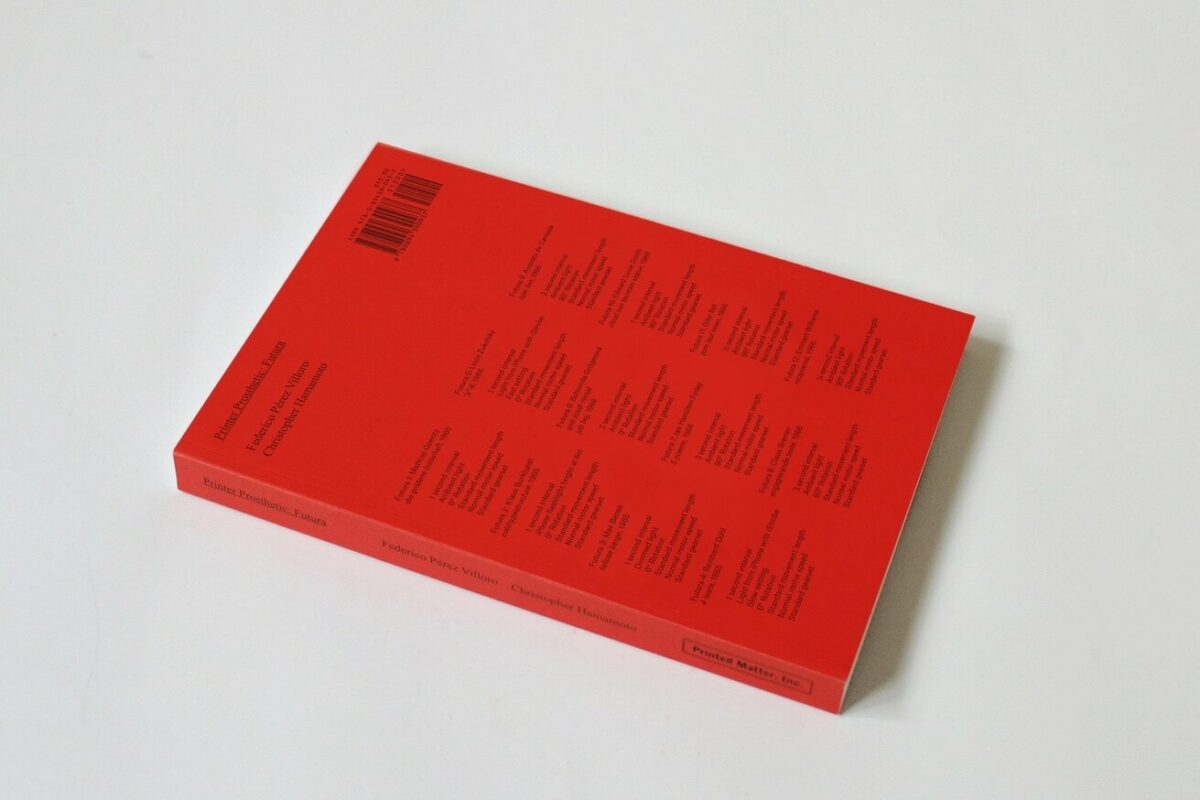
Printer Prosthetic: Futura

Federico Pérez Villoro, Christopher Hamamoto

Printer Prosthetic: Futura is conceived as an “experimental reprint” of artist, publisher, and printer Hansjörg Mayer’s seminal Futura (1965–1968), a series of twenty-six artworks each published as a folded, single-page pamphlet. Using this collection of Concrete and Fluxus works as a starting point, Printer Prosthetic: Futura re-interprets the poems by means of mechanical mediation, outputting the originals through a set of controlled and chance operations.

The artists worked with industrial designer Siyao Zhu, producing a custom 3D-printed “prosthetic” device which allowed them to manipulate the encoder strip of a desktop printer. The individual poems of the Futura pamphlets were run through a HP DeskJet 1112 while the artists interfered with the rhythm of the printhead by adjusting the track on which it moves. Via programmed sequences made using Arduino, an open-source electronic prototyping platform, a physical arm would work in conjunction with the printer to generate the printed works. The resulting work is a set of new, altered text pieces that are conceptually distinct from the original while still bearing a formal similarity.

The project presents a number of interesting considerations, providing a meditation on the nature of Concrete Poetry and exploring the ability of language to deliver meaning at the boundaries of intentionality when text is pushed over into object or image, where does that transferal of meaning take place as one level of abstraction is compounded into another.

The publication is produced in two parts. The first section is comprised of an instructional manual for both recreating the prosthetic and modding a desktop printer, and indexes the parameters of the re-printing process. An essay by Roxana Fabius offers a history of Mayer’s series and positions this new project in relationship to that work. The second part includes the outcomes of the reprinting process.

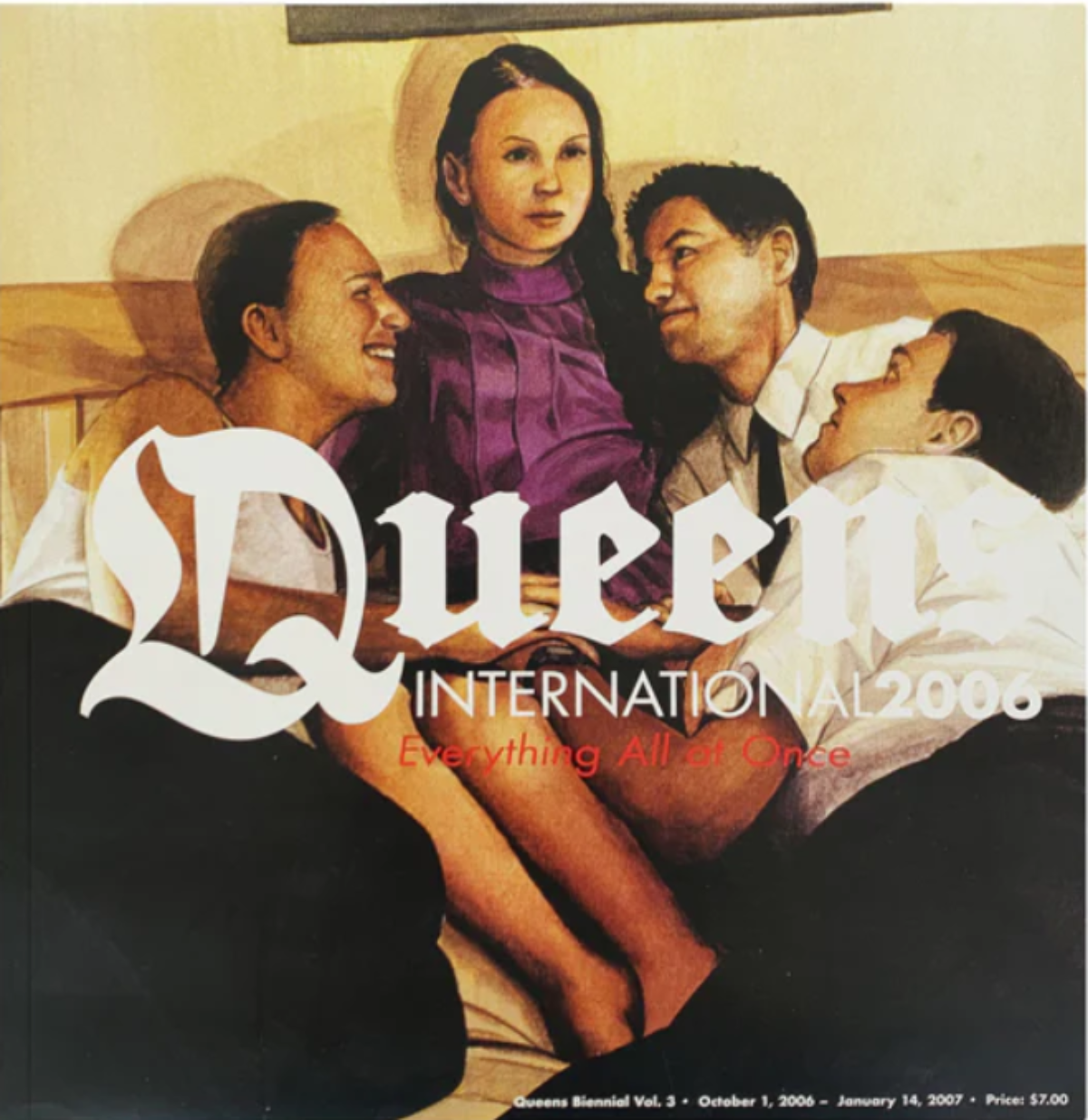
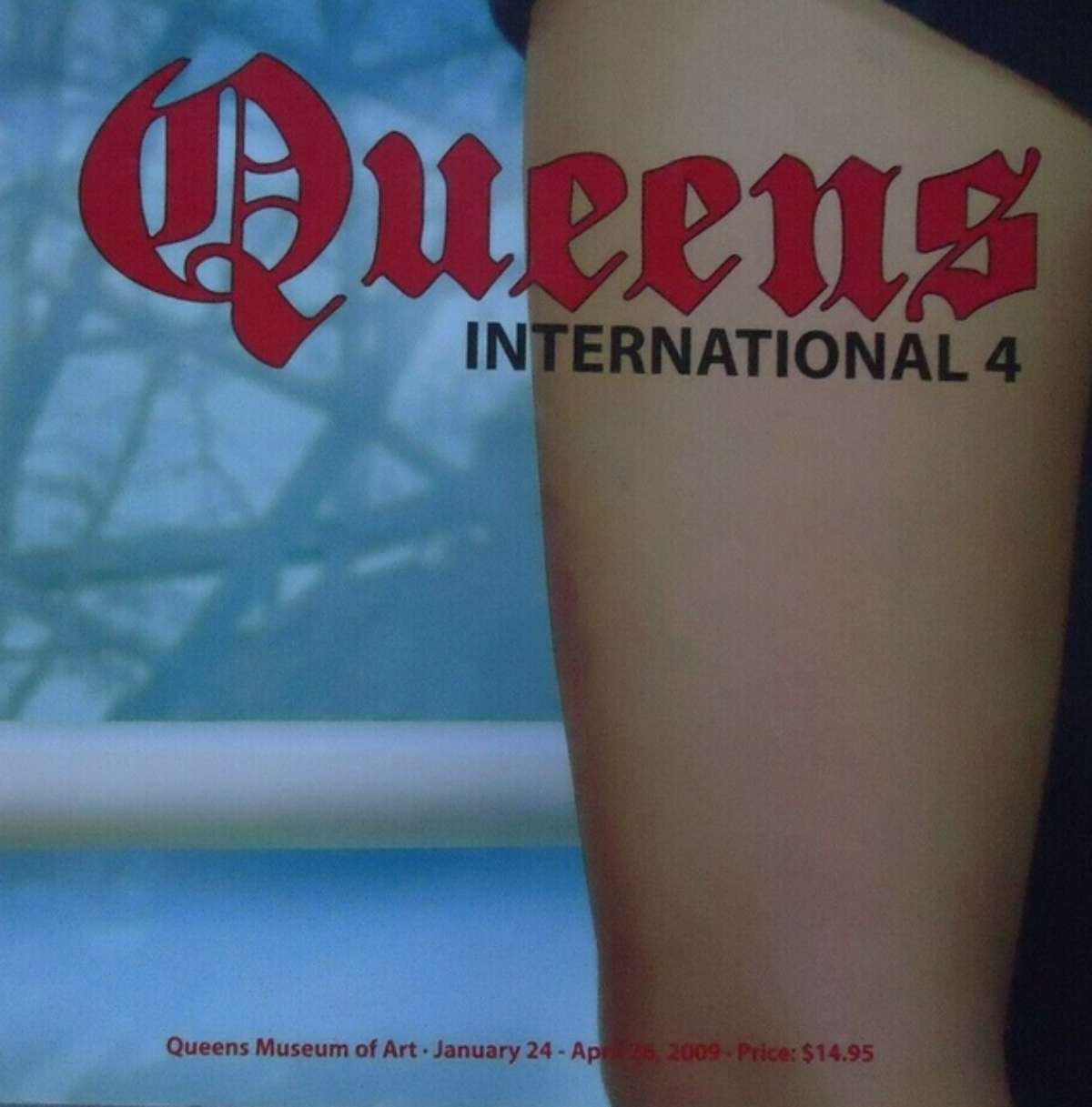
Queens International 2006: Everything All at Once

Tom Finkelpearl, Valerie Smith, Herb Tam, Jaishri Abichandani, Bushra Rehman, Alejandra Villasmil, Ishle Yi Park

The third installment of the Queens Museums survey of Queens-based and Queens-connected artists, Everything All at Once tackled a host of issues, including American culture, the political dimensions of war, contemporary feminism, spirituality, and the environment. Although myriad, the subjects spoke to the heart of many Queens residents. The diversity of experiences and ethnicities that exist side-by-side in Queens echoes the multiplicity of approaches employed by the 52 artists featured in Queens International 2006. Given the enormous diversity of the borough, a conscious effort was made to avoid arranging this exhibition by theme. Reflecting the influence of many global regions including Peru, Venezuela, the Netherlands, Bosnia, Iran, India, China, Korea, Japan, and various regions of North America, Queens International 2006 brought our diverse world to Queens.

Artists: Manuel Acevedo; Elia Alba; Alejandro Almanza Pereda; Blank Amezkua; Michael Antkowiak; Stephan Apicella-Hitchcock, Judith Barry; Cayetanna Carrión and Camila Valdeavellano; Gigi Chen; Shen Chu; Anne Chu; Martha Colburn; David Dempewolf; Sjoerd Doting; Anindita Dutta; Yukari Edamitsu; Paul Galloway; Linda Ganjian; Orly Genger; Jesus Gonzalez Gutierrez; Debra Hampton; Joshua Abram Howard; Andrew Hur; Ran Hwang; Taeseong Kim; Fawn Krieger; Gwenessa Lam; Miyeon Lee; T. Charnan Lewis; Norma Markley; William McMillin; Yin Mei; Wardell Milan; Jason Mones; Ivan Monforte; Natalia Nakazawa; Renzo Ortego; Jihyun Park; Sophia Peer; Antonia Perez; Lucia Pizzani; Helen Quinn; Anita Ragusa; Sara Rahbar; José Emilio Rodríguez; Nola Romano; Gina Ruggeri; Judith Sloan; Amanda Sparks; Still Present Pasts (Injoo Whang, Ji-Young Woo, Yul-san Liem, Grace M. Cho, Hosu Kim, Hyun Lee, Carolina McNeely); Jaret Vadera; Mary A. Valverde; Alejandra Villasmil; Anahita Vossoughi; Paul Anthony Melhado; Michelle Cheikin; Mark Chestnut; Jason A. Cina; Stephanie Diamond; Carlos L. Esguerra; Elizabeth Felicella; Rosalie Frost; Mary Teresa Giancoli; Anders Goldfarb; Enrique González Ibarra; Irv Gordon; Audrey Gottlieb; Audrey Gottlieb; Edward Grazda; Tamara Gubernat; Tony Hamboussi; Belenna M. Lauto; Corky Lee; Barbara E. Leven; Jeff Chien-Hsing Liao; Gary Matson; Evie McKenna; Pierre Obando; Lina Pallota; Carolina Peñafiel; Carol Pereira; Paulina Perera-Riveroll; Lourenso Ramautor; Susannah Ray; Sandra C. Roa; Rebecca Robertson; Orville Robertson; Sara Rychtarik; Greg M. Stowell; Deborah Straussman; Sookjin Suh; and Tom Warren.

Curator: Herb Tam, Jaishri Abichandani

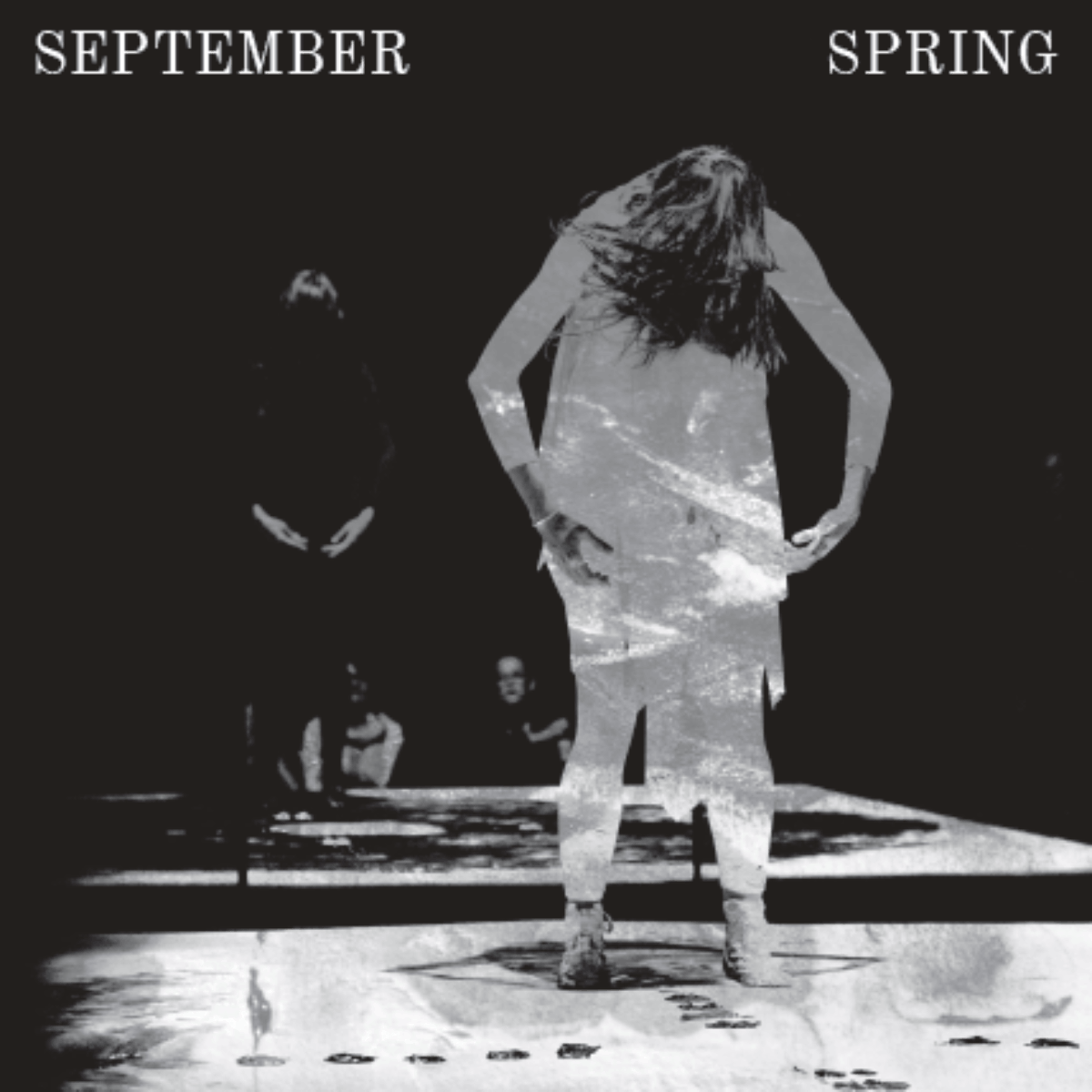
September Spring

Sam Falls

A new publication comprised of book and record, September Spring documents a project of the same name held at The Kitchen from September 10th - October 10th, 2015 - curated by Lumi Tan. The month-long performance intertwined dance, music, and painting, and explored the recordings and influence of Jamie Kanzler, who in 2013 unexpectedly passed away at the age of 24. Kanzler, whom Falls has referred to as his godbrother, performed music as Oldd News and wrote poetry under the pen name September Spring.

September Spring encompasses photographic documentation of the performance at The Kitchen as well as the resulting paintings, and is accompanied by a vinyl pressing of Oldd News’ self-titled EP. The publication includes texts about the performance from Lumi Tan and meditations on Kanzler by Sam Falls, Jenn Pelly and Trip Warner, who reflect on his ignited spirit and shine a light on his creative process as both poet and musician.

The performance of “September Spring” synthesized a multitude of components and as Falls muses, “of color and darkness, of music, art, and dance, of life and death.” Its origins can be traced to a series of paintings produced by Falls in the immediate aftermath of Kanzler’s passing, a period during which he created twenty-four canvases to honor each year of his life.

At The Kitchen, Falls collaborated with Hart of Gold, dancers Jessie Gold and Elizabeth Hart, who moved in methodic pattern atop a number of arranged rugs, their synchronized gestures mimicking the path of a needle along a vinyl record and corresponding in time with tracks from the Oldd News EP. Their meticulous movements intersected with orderly dabs of paint, the result being a new collection of twenty-five paintings - a visual record of Kanzler’s influence on both sound and body. Each choreographed shift elegantly embodied the contradictory notion that while a painted circle marked progress with a finite end product, a circle by definition has neither a beginning nor end, alluding to the idea that while life has a physical start and finish, a person - their influence, memory and legacy - exists beyond the point of death. Each morning the rugs were hung in the The Kitchen from the previous day, accumulating on display for the duration of the piece.

The Oldd News EP was completed in the summer of 2013, recorded in New Orleans, Louisiana just prior to the loss of Kanzler. The original pressing featured album art by Falls and was released by WharfCat Records, founded by September Spring contributor Trip Warner. Recorded directly into an overdriven computer microphone, the 6 tracks on The Oldd News EP run seventeen minutes in length and feature Kanzler’s emotionally bare lyrics and distorted acoustic guitars.

September Spring could be considered to have acted as a transformative process for both Falls and it’s viewers, those who were affected by Kanzler’s friendship and creative outputs. His death may be embraced as the departure point for an evocative project which concurrently bridged the unknowns of morality. As curator Lumi Tan notions, “to deal with death, we often need to believe in something else as foreign and unimaginable as losing someone you’ve shared a life with.”

The culmination of Kanzler’s extensive influence in this publication pays homage to notions of a continuing presence, of light in dark and energy found in despair - the metamorphosis of grief into creation.

September Spring is designed by The Uses of Literacy and printed by The Schulman Group at Shapco Printing, Minneapolis. The offset printed book is 84 pages and measures 11.85” x 11.85” with six spot colors. This signed and numbered edition of 220 is nested inside a gatefold album cover with a engraved 12” record and a printed vinyl sleeve.

Liu Wei: 180 Faces

Phil Tinari

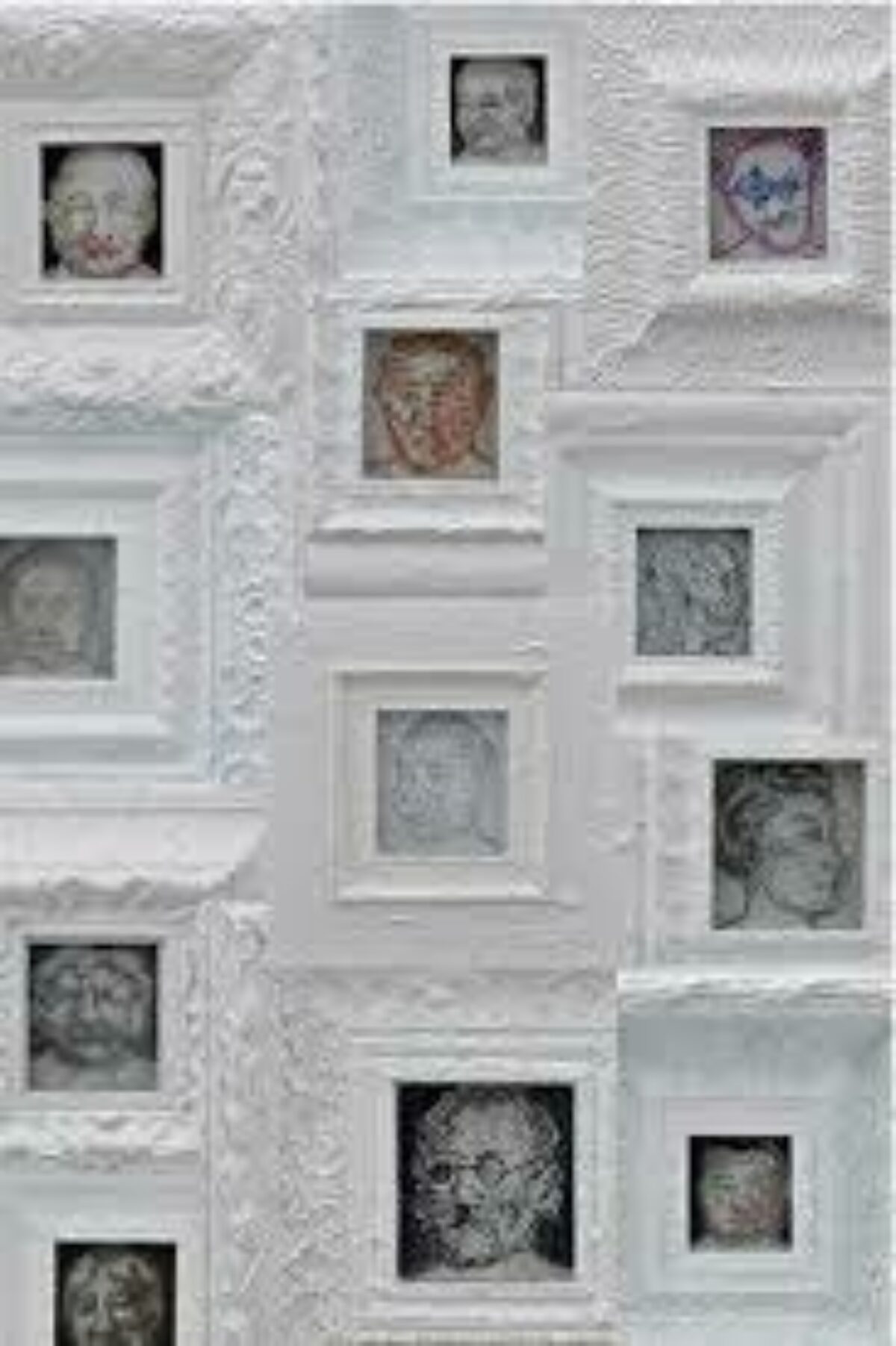
Born in Beijing, China in 1965, Liu Wei studied printmaking at Beijing’s Central Academy of Fine Arts. After graduating, he quickly became a prominent figure in China’s “cynical realism” movement. Influenced by events surrounding the Tiananmen Square protests in 1989, his early paintings mirrored that group’s disenchantment with both political and artistic utopias. Liu Wei’s work has become less overtly political over time, dealing with universal themes of humanity. In this series of paintings, made over the course of one year, Liu Wei demands that the viewer consider the works not as portraits of actual people, but as expressions of his own subconscious impulses.

Liu Wei placed each painting in a hand carved, Rococo-style frame lushly and viscously painted with white acrylic, evoking a sense of delicacy and expressiveness. The works combine a mixture of acrylic, charcoal, markers, pen and other pigments that are used to create distinctions in texture and color. Drawing further attention to their materiality, Liu Wei intentionally broke the glass panes on many of the paintings. Conjuring references as diverse as Velasquez and Van Gogh, Cezanne and Gauguin, Ensor and Brueghel, Liu Wei expertly depicts the human condition, combining figuration and abstraction in a manner reminiscent of Bacon and Freud. With this body of work, Liu Wei creates a visual language that veers between reality and artificiality, inviting the viewer to look closely and draw their own judgments between truth and illusion.

Liu Wei lives and works in Beijing. His work has been exhibited internationally at renowned institutions including the Museum of Contemporary Art, Sydney, Australia; the Kunsthal Rotterdam, the Netherlands; the Museum of Modern Art, Oxford, UK; the Vancouver Art Gallery, Canada; the Hong Kong Arts Centre, Hong Kong, China; the Asia Society and MoMA PS 1, New York, NY; the San Francisco Art Museum, San Francisco, CA; the Ullens Center for Contemporary Art, Beijing; the Singapore Art Museum, Singapore; the Shanghai Gallery of Art, China; the Guangdong Art Museum, Guangzhou, China and the Kuandu Museum of Fine Arts, Taipei among others. He was invited to participate in the 45th and 46th Venice Biennales, the 22nd São Paulo Biennial and the 1st Guangzhou Triennial.

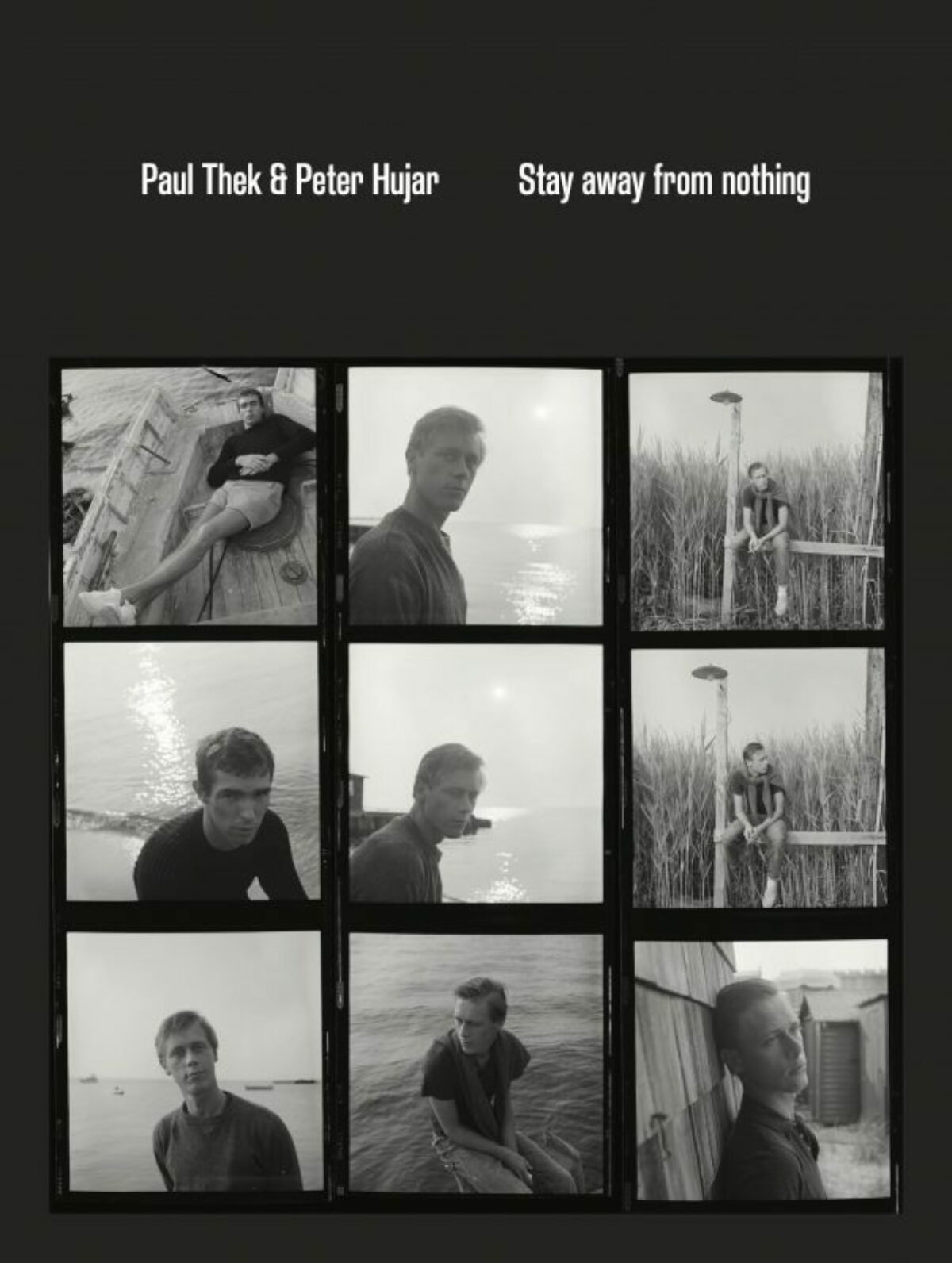
Paul Thek and Peter Hujar: Stay away from nothing

Edited by Francis Schichtel

Stay away from nothing shines a spotlight on the deep relationship between Paul Thek and Peter Hujar through the artists’ letters and photographs. Beginning in 1956 and spanning two decades, the publication opens a window into their intimate, complex, and beautiful lives, starting with a sequence of images by Hujar that showcases the two of them in innocent moments of pensive and haunting play in Coral Gables and beyond.

These early portraits of their budding relationship are followed by several playful postcards from Thek in 1960 and his first letter to Hujar in 1962, written while the artist is in the Philadelphia harbor aboard a containership bound for Europe. In the letter, Thek is brimming with joy and new discoveries and exclaims that the world “seems bigger and more gloriously strange than ever before in my entire life.” The two eventually meet in Rome, where they both begin to evolve into the icons we know them as today, and the remaining letters trace Thek’s travels and adventures, romantic dalliances, work, and financial ups and downs through 1975. More than fifty letters and postcards, along with drawings and other ephemera, are reproduced in Stay away from nothing and their poetic, quotidian, and melancholic tone provide a rare glimpse into Thek and Hujar’s relationship as it wavers with seduction, glamor, tumult, and mischievousness.

Throughout this period, Hujar was photographing Thek in his now-iconic style, capturing him in Italy, in various studios, and on the beaches of Fire Island. Included are the artist’s classic images of Thek in the catacombs in Palermo, as well as his studio portraits of the artist creating The Tomb. Among these well-known works are dozens of other photographs, many unpublished until now, including candid portraits of Thek, as well as images of the two artists goofing around or posing for passport photos. Collectively, these images demonstrate not only the complex emotional interiority of Thek but the tender, dark, and hopeful connection between the two artists, lovers, and friends.

An afterword is provided by Andrew Durbin, author of A Wonderful World that Almost Was, a biography of Peter Hujar and Paul Thek.

Paul Thek is among the most legendary and elusive artists of the post-1960s generation. He burst onto the New York scene with his Technological Reliquaries series, then known as “meat pieces,” which challenged Pop and Minimalism with an idiosyncratic approach that merged earnest posthuman embodiment and a critique of contemporary art trends. In Europe in the 1970s, he created new modes of exhibition-making that involved the creation of elaborate, ephemeral installations composed of sand, candles, newspaper, chicken-wire, Polaroids, and discarded furniture. Upon returning to New York in the later years of his career, he produced his deliberately “bad paintings” while continuing his longest-running series of paintings executed on newspaper, works that poignantly underscore his sustained engagement with themes of ephemerality and the passage of time. Thek died of AIDS in 1988.

Peter Hujar died of AIDS in 1987, leaving behind a complex and profound body of photographs. Hujar was a leading figure in the group of artists, musicians, writers, and performers at the forefront of the cultural scene in downtown New York in the 1970s and early 80s, and he was enormously admired for his completely uncompromising attitude towards work and life. He was a consummate technician, and his portraits of people, animals, and landscapes, with their exquisite black-and-white tonalities, were extremely influential. Highly emotional yet stripped of excess, Hujar’s photographs are always beautiful, although rarely in a conventional way. His extraordinary first book, Portraits in Life and Death, with an introduction by Susan Sontag, was published in 1976, but his “difficult” personality and refusal to pander to the marketplace ensured that it was one of the last publications during his lifetime.

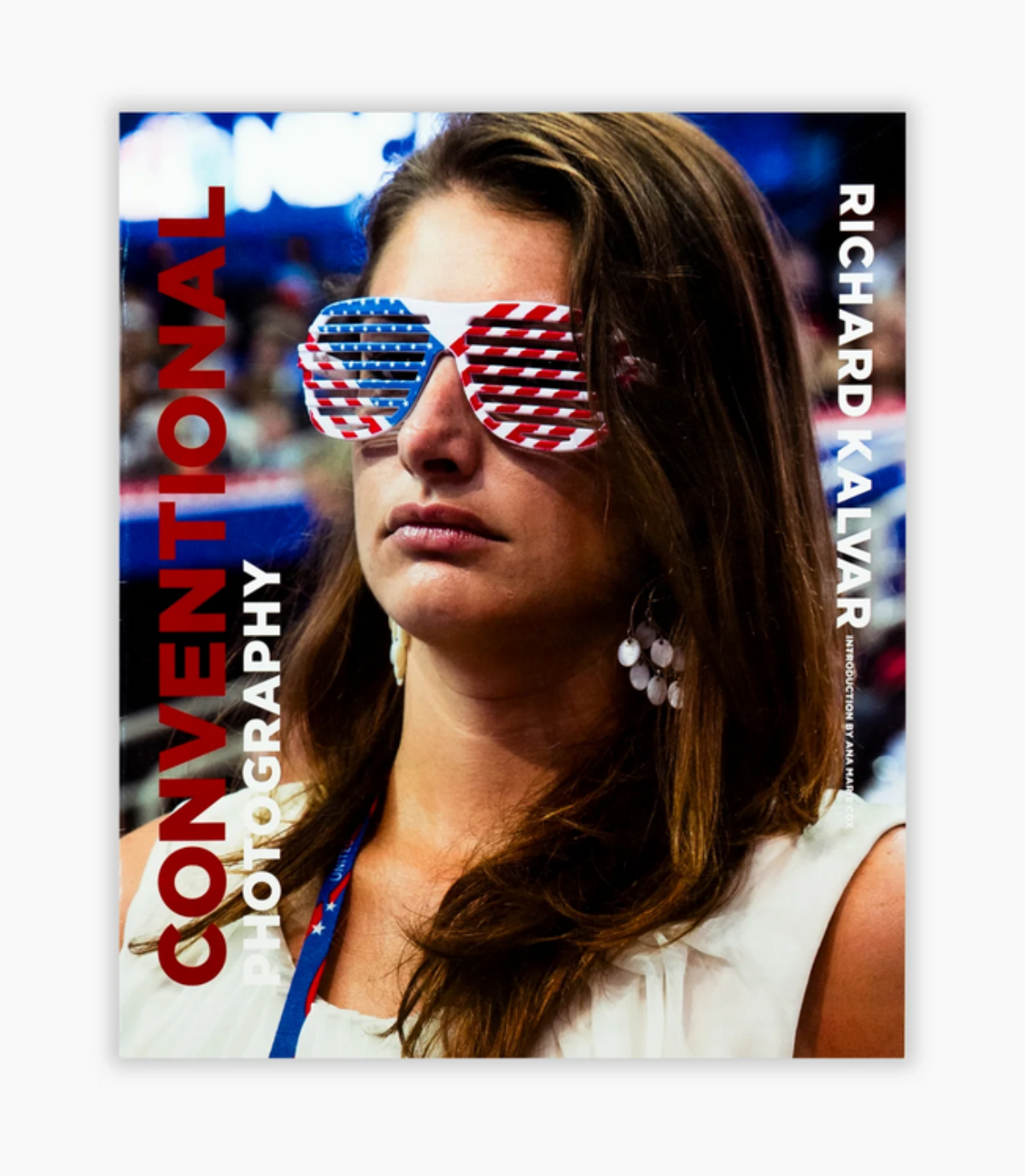
Conventional Photography

Richard Kalvar

Magnum’s publication, Conventional Photography, is a unique document of the 2012 Presidential campaign, and the American political process itself.

Drawn exclusively from the work done by Magnum photographer Richard Kalvar at last year’s Democratic and Republican National Conventions — some of which was prominently featured on Slate during the convention season — Conventional Photography captures the peculiar pageantry and theater of American politics, in all its glory and absurdity.

Kalvar has long proven himself suited to capture the social patterns, humanity, and gentle incongruities that lurk whenever earthlings – the title of his previous book – gather and interact. In the American political process, Kalvar’s lens and sensibility find what’s perhaps his ultimate subject. As with all of his work, Kalvar’s attention frequently focuses more on the everyday moments and average participants in life and events, and not merely the celebrities and what’s happening on the biggest stages.

Printed on deluxe glossy magazine stock, capped with a tart and perceptive introductory essay written by The Guardian’s US political columnist Ana Marie Cox, Conventional Photography proves Kalvar one of the keenest and most generous documentarians of the strangeness and beauty that occurs wherever humans convene.

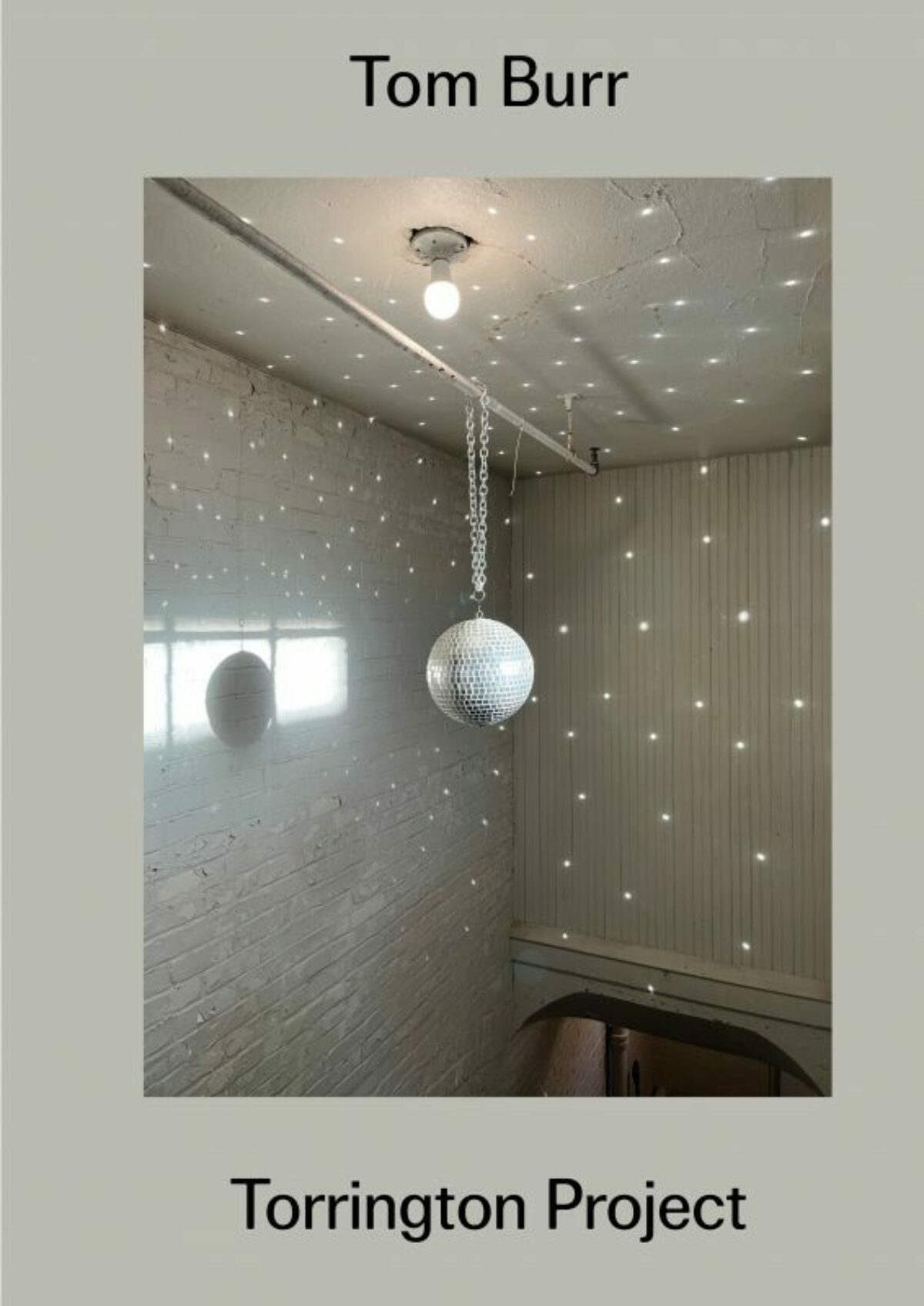
Tom Burr: Torrington Project

Tom Burr

Torrington Project is an artist book by Tom Burr documenting his three-year occupation of a repurposed 19th-century factory in Torrington, Connecticut. A subversive take on the catalogue raisonné, it blurs the boundaries between studio and gallery, art and architecture, and artist and community. Through extensive photographic documentation, critical essays, and personal reflections, it maps both the physical transformation of the space and the network of social exchanges that emerged within it. The publication functions not as a static record but as an active extension of the Torrington Project itself—a site where past works, new interventions, and evolving ideas continue to circulate and unfold beyond their original context.

From 2021 to 2024, Burr took up residence in a sprawling, former manufacturing facility. Neither a conventional exhibition nor a traditional studio, the project transformed the building into what Burr has called a “living archive”—a space for revisiting, recontextualizing, and, in some cases, restoring past works. Rather than a site of pure production, Burr brought together over ninety works from throughout his career, collapsing the divide between past and present. Burr also opened the space to fellow artists, inviting Gordon Hall, Maria Hassabi, and Nick Mauss to stage performances, while welcoming an evolving network of visitors as Torrington Project unfolded. The project explored the fluid interplay between an artwork’s conception, reception, and historicization, with Burr reflecting on how his work has shifted over time—an investigation now deployed through the form of this book.

Alongside writing from George Baker, Jordan Carter, Aria Dean, Jody Graf, Renée Green, David Joselit, Christine Messineo, Humberto Moro, Blake Oetting, as well as Burr’s recollections, the publication also features extensive documentation and archival ephemera. Torrington Project charts the social and spatial dimensions that defined the titular endeavor, underscoring Burr’s ongoing engagement with architecture, institutional critique, personal histories, and the transformation of public space.

Tom Burr is a conceptual artist whose work examines the entanglements of architecture, identity, and public space. A graduate of the Whitney Independent Study Program, Burr emerged through the influential gallery American Fine Arts, Co., aligning with a generation of artists who reimagined the strategies of institutional critique and minimalism in response to the shifting political and social dynamics of late twentieth century New York City. Burr’s work has been featured in major exhibitions including Sonsbeek 93 in Arnhem, Question the Wall Itself at the Walker Art Center in Minneapolis, the 2004 Whitney Biennial, and Skulptur Projekte Münster, among others. His extra-institutional projects include Body/Building, a year-long residency in the Marcel Breuer-designed Pirelli Tire Building in his hometown of New Haven, Connecticut. In addition to his artistic practice, Burr is a prolific writer. His collected texts were published in Anthology: Writings 1991–2015. He lives and works between New York and Connecticut.

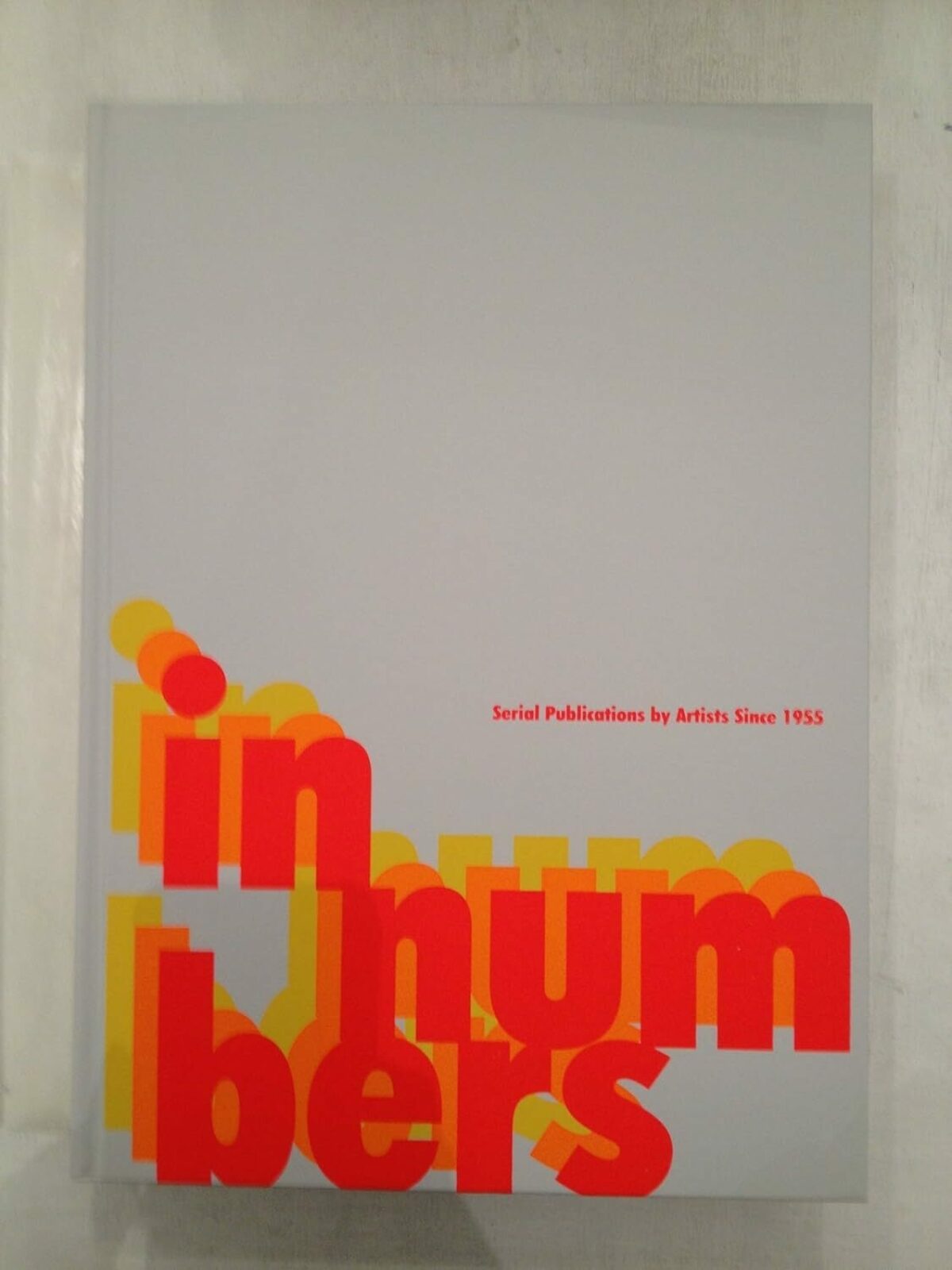
In Numbers : Serial Publications by Artists Since 1955

Philip Aarons, Andrew Roth, with essays by Gil Blank, Victor Brand, Clive Phillpot, Nancy Princenthal, Neville Wakefield, and William S. Wilson.

In Numbers is the first volume to address an overlooked art form that is neither artist's book nor ephemera, but is entirely its own unique entity: the artist's serial publication. Across such groundswell moments as the small press boom of the 1960s, the correspondence art movement of the early 1970s and the DIY zine culture of the 1980s and early 1990s, artists have seized on magazine and postcard formats as forms in themselves. These are not publications that print criticism, manifestos or reproductions of artworks; rather, they are themselves artworks, in large part factured by younger artists operating at the peripheries of mainstream art cultures, or by established artists looking for an alternative to the marketplace. Dating from 1955 to the present, In Numbers begins with Wallace Berman's Semina and continues through Joe Brainard's C Comics, Situationist Times, Eleanor Antin's 100 Boots, File, Robert Heinecken's modified periodicals, theJapanese group Provoke's magazine, Ian Hamilton Finlay's Poor.Old.Tired.Horse, Fluxus, Art-Language, Raymond Pettibon's Tripping Corpse, Maurizio Cattelan's Permanent Food and contemporary examples such as North Drive Press, LTTR and Continuous Project. (Approximately 60 publications in total are surveyed.) Documenting the history of each publication―its inception, production, distribution and impact―together with a fully illustrated bibliography for each title, In Numbers is embellished with essays by Clive Phillpot, Nancy Princenthal, William S. Wilson and Neville Wakefield. An illustrated conversation between Collier Schorr and Gil Blank provides an overview.

With work by Vito Acconci and Bernadette Mayer, Hans-Peter Feldman, Eleanor Antin, K. Baumgartner, C. Hoeller, J. Schroeder and D. Castro, Terence Koh, Buster Cleveland, Art & Language, Frank Gaard and the Art Police, Futzie Nutzle, Spinny Walker and henry humble, BANK, Ray Johnson, Joe Brainard, Continuous Project, Stephen Willats, Les Levine, Wolf Vostell, Edgardo Antonio Vigo, Adam Dant, Josephine Meckseper, General Idea, George Maciunas, Martha Rosler, Dieter Roth, Bruce LaBruceand G.B. Jones, Barbara Ess, Scott Hug, Daido Moriyama, R. Bertholo, Christo, L. Castro and J. Voss, William Leavitt and Bas Jan Ader, Gilbert and George, Aleksandra Mir, LTTR, Patricia Tavenner, Daniel Spoerri, Maurizio Nannucci, Matt Keegan and S.G. Rafferty, Herman de Vries, Tom Sachs, Uschi Huber and Jorg Paul Janka, Robert Heinecken, Maurizio Cattelan and Paolo Manfrin, Ian Hamilton Finlay, Provoke Group, Lisa Anne Auerbach, Guenter Brus, Wallace Berman, Jacqueline de Jong, Matthias Hermann, Christian Hunt, Scott Treleaven, Roni Horn, Raymond Pettibon, Anna Banana and William Gagilone, Tom Marioni, and Nobuyoshi Araki.

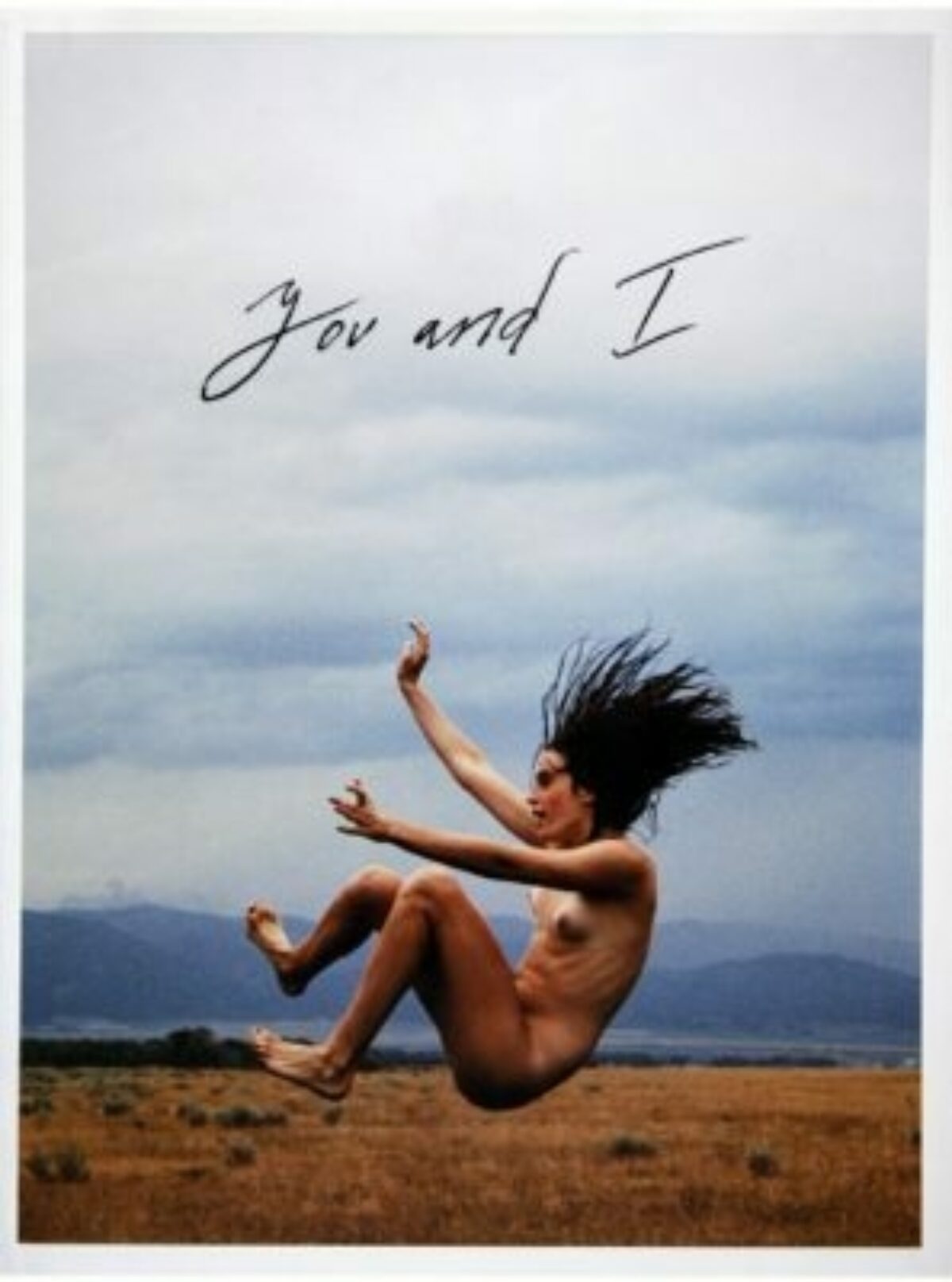
Ryan McGinley: You and I

Ryan McGinley

Ryan McGinley has selected the best photographs from his first decade of work for this beautifully realized volume. McGinley makes large-scale color photographs of his friends, a group that forms part of New York’s Lower East Side youth culture. He uses photography to break down barriers between public and private spheres of activity. His subjects are willing collaborators: drawn from skateboard, music, and graffiti subcultures, they perform for the camera and expose themselves with a frank self-awareness that is distinctly contemporary. McGinley’s newest work signals a departure from the urban youth culture images for which he is best known; he has been working in natural settings outside New York City, creating specific situations for his subjects to lose themselves in the moment. McGinley embraces nature as a site of freedom and captures a sense of buoyancy and release.

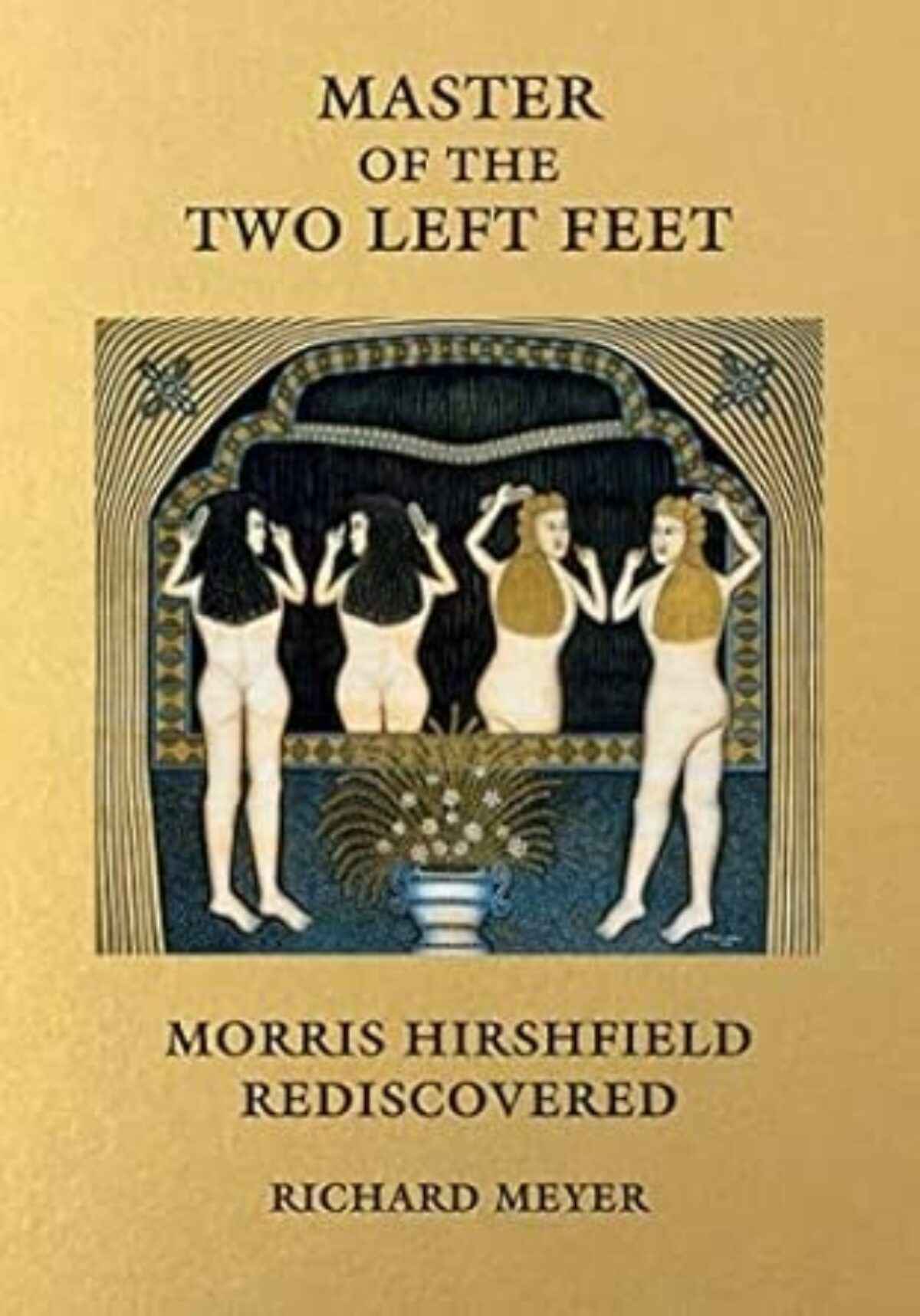
Master of the Two Left Feet: Morris Hirshfield Rediscovered

Richard Meyer

An account of the life and work of a once-famous self-taught American artist of the 1940s, and a study of how artists go missing from public memory.

The exhibition “Morris Hirshfield Rediscovered” at the American Folk Art Museum in New York City, curated by the author and developed as an extension of the book, is on view from September 22, 2022 to January 27, 2023.

A garment worker and slipper manufacturer with no training in art, Morris Hirshfield was never expected to make history. Against all odds, his wildly stylized paintings of female figures, often nude, animals, and landscapes became internationally known in the 1940s. Admired by Pablo Picasso, Piet Mondrian, and the French surrealists, his peak moment of visibility occurred in 1943, when the Museum of Modern Art mounted a one-man show of his work. The exhibition was widely reviewed—though mostly reviled—by the press, who jeeringly crowned Hirshfield “Master of the Two Left Feet” for his tendency to display the female body in that unorthodox fashion.

After the artist's death in 1946, his work was largely forgotten, but in Master of the Two Left Feet, art historian Richard Meyer rediscovers Hirshfield for twenty-first-century audiences, offering full-color reproductions that capture the vibrant imagination and sheer visual pleasure of Hirshfield's paintings. The book also features a catalog of works compiled by curator Susan Davidson which provides the most comprehensive documentation of the artist's work ever assembled.

Ten years in the making, Master of the Two Left Feet presents Hirshfield's unlikely career as a painter not only as a missing episode in the history of twentieth-century art but as a case study of the ways in which artists go missing from historical knowledge and public memory. By looking closely at Hirshfield and his milieu in 1940s Brooklyn, Meyer demonstrates how much we have yet to learn, and to see, of the visual past.

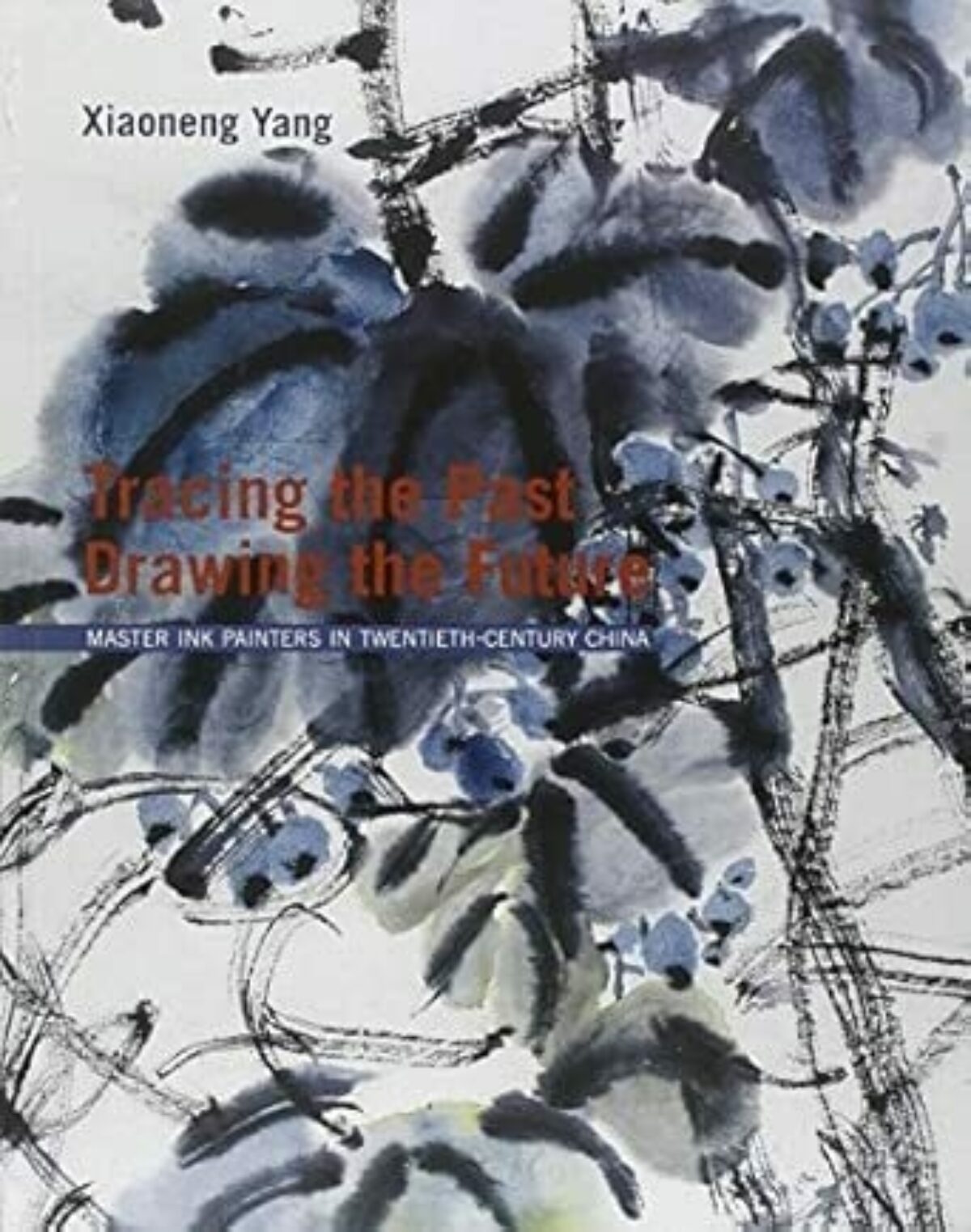
Tracing the Past, Drawing the Future: Master Ink Painters in Twentieth-Century China

Xiaoneng Yang

Tracing the Past, Drawing the Future examines a crucial turning point in the development of Chinese ink painting in the twentieth century, a change represented by the beautiful and innovative work of four artists, Wu Changshuo (1844-1927), Qi Baishi (1863-1957), Huang Binhong (1864-1955), and Pan Tianshou (1897-1971). With careers spanning over a century of radical change in China, these artists were instrumental in propelling the ancient tradition of Chinese ink painting into the modern era in the face of compelling Western influences. As a group, their work represents an alternative approach to questions of relevance and modernity.
This lavish book illuminates the context in which these artists worked, describes their overall contribution to the history of Chinese art, and highlights their individual ideas and achievements. In his introductory essay, Xiaoneng Yang offers a brief historical background for the evolution of modern Chinese painting. Richard E. Vinograd analyzes the alternative modernism” represented by these artists, each of whom worked in the brush-and-ink idiom, confronted the shift toward practices of the West, and gave new life through this confrontation to cherished traditions. Essays devoted to each artist are followed by individual entries discussing their works. Featuring more than one hundred works of both painting and calligraphy by the four artists, the book, which is published to accompany a traveling exhibition, also includes a glossary and detailed bibliography.

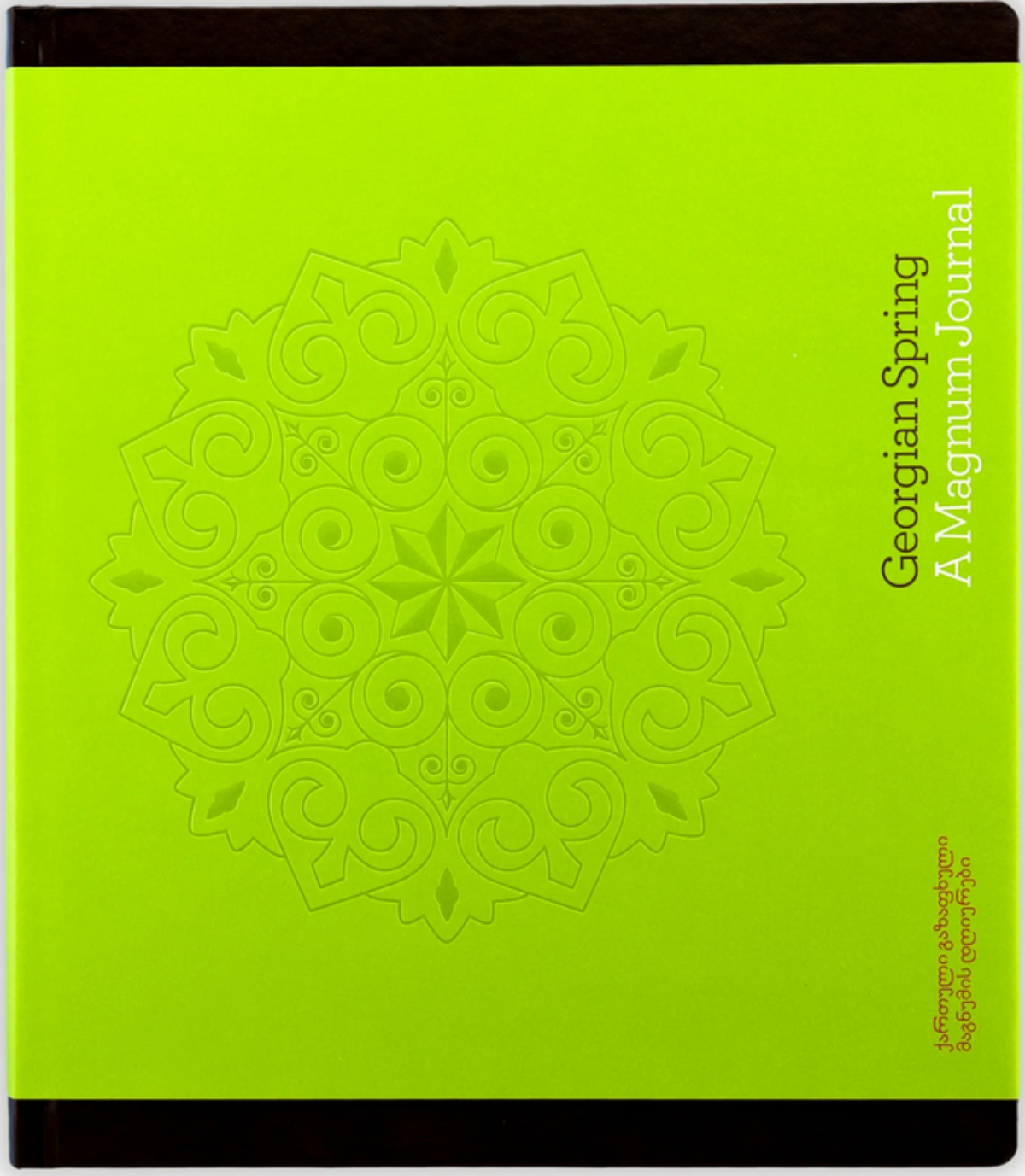
Georgian Spring

Magnum Photographers

Georgian Spring is the travel journal of ten Magnum photographers who visited Georgia during spring 2009.

Situated on the eastern fringe of Europe, between Turkey and Russia, with a sophisticated culture that dates back to its settlement by the ancient Greeks, Georgia was forcibly incorporated into the Soviet Union in 1922. Its independence was restored in 1991, but this was followed by civil war and economic breakdown. In the 21st century, despite ongoing tensions with Russia, Georgia has mounted a spirited comeback, transforming itself into a modern European state at a remarkable pace.

At the invite of Georgia’s Ministry of Culture, Magnum photographers Antoine d’Agata, Jonas Bendiksen, Thomas Dworzak, Martine Franck, Alex Majoli, Gueorgui Pinkhassov, Martin Parr, Paolo Pellegrin, Mark Power and Alec Soth set out to describe the country, each pursuing their own theme and working in their own way, chronicling their journey in words as well as pictures. A 20-page chapter is devoted to each photographer’s work. The book also features a foreword by Dworzak, Magnum’s Tbilisi-based photographer; a timeline of Georgia’s history; an essay by Wendell Steavenson – who vividly renews her acquaintance with the country that she came to know while living there during the 1990s; and a chapter featuring the best of Magnum’s archive of photographs of Georgia – including Robert Capa’s 1947 photo-essay, made while visiting the Soviet Union with John Steinbeck. The book opens and closes with a series of postcards showing some of the country’s iconic attractions, old and new, chosen with Georgia’s President Mikhiel Saakashvili and Minister of Culture, Nicholas Rurua.

Please note: This title contains adult themes or language that may not be suitable for younger readers.

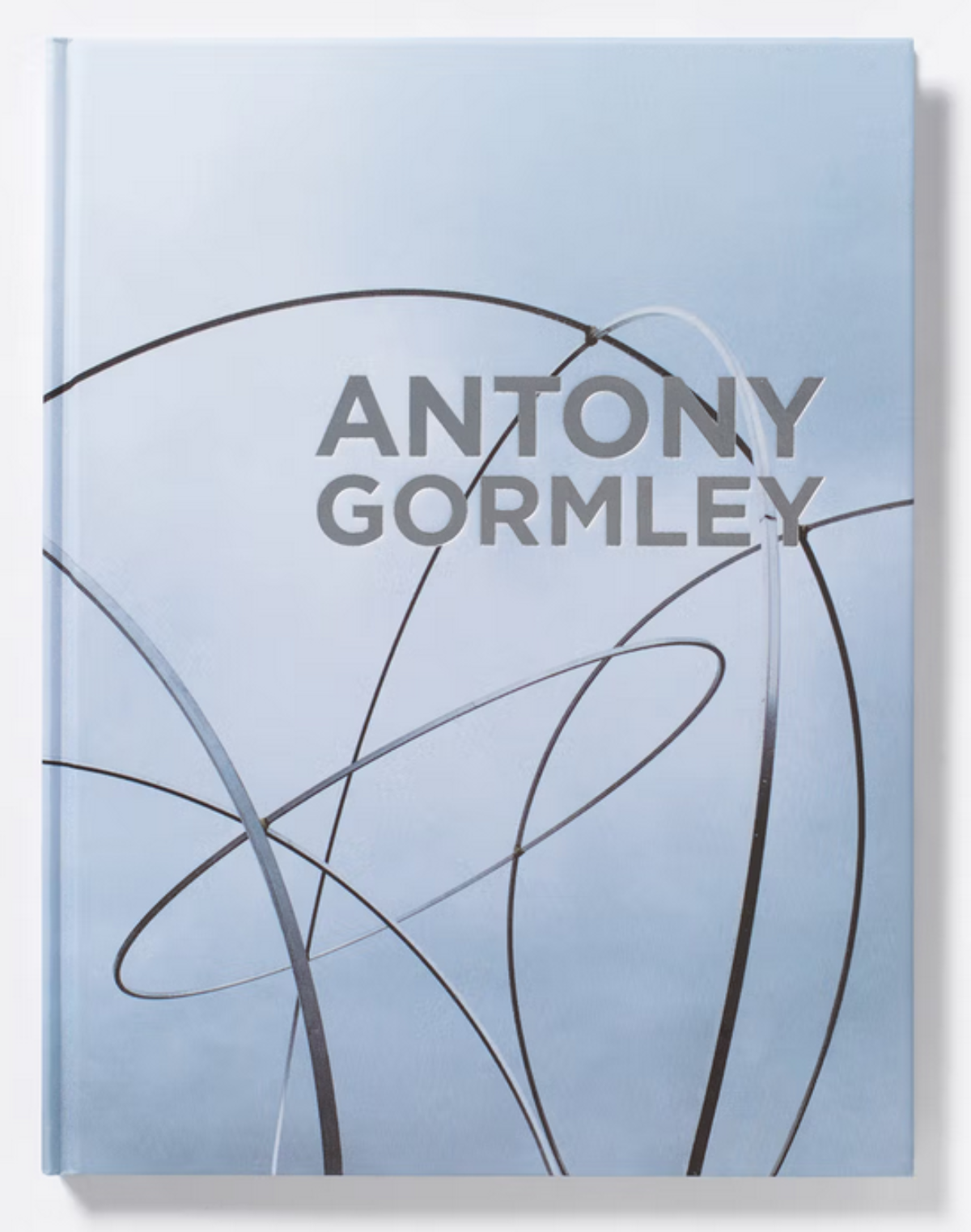
Antony Gormley

Ackbar Abbas, Qinyi, Lim and Russell Storer

Antony Gormley is internationally renowned for his sculptures, installations and public artworks that explore the relationship between the human body and space.Often casting his own body as a base, he then develops his works using a variety of forms and materials that provoke questions about how humans relate to nature and the cosmos.

Gormley’s new commission at the Ng Teng Fong Roof Garden Gallery, Horizon Field Singapore (2021), invites visitors to walk through a vast matrix of aluminium rings, allowing them to co-create the experience by stepping through the rings.

Reason's Clue

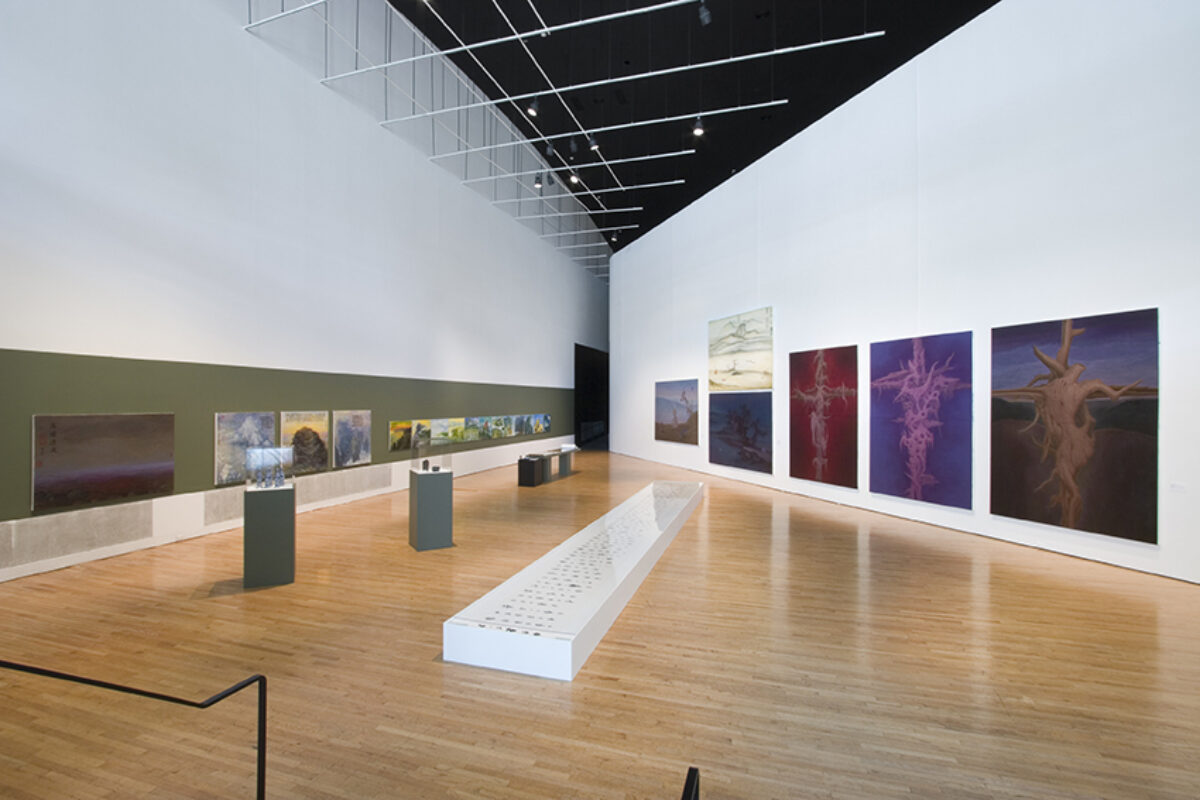
Inspired by the Tao Te Ching, the 6th Century B.C. text by Chinese philosopher Lao Tzu, Reason’s Clue focuses on contemporary art that engages the diverse ideas and attitudes about the history and culture of China. Eight artists working in China, Taiwan, and the United States examine the ways in which history reflects on and influences the present. Moving away from the simplistic binaries of past and future, East and West, and negative and positive forces, the works in the exhibition explore fluid interactions and integral structures between the opposites. The artists meld traditional and contemporary sensibilities to render their own understanding of the various subject matter including language, art history, popular culture, archaeology, and global politics.

Reason’s Clue is curated by Luchia Meihua Lee.

Susan Brockman: Soft Network 01

Edited and with an introduction by Marie Warsh, texts by Nicole Miller, Chelsea Spengemann, Sara VanDerBeek, and Marie Warsh

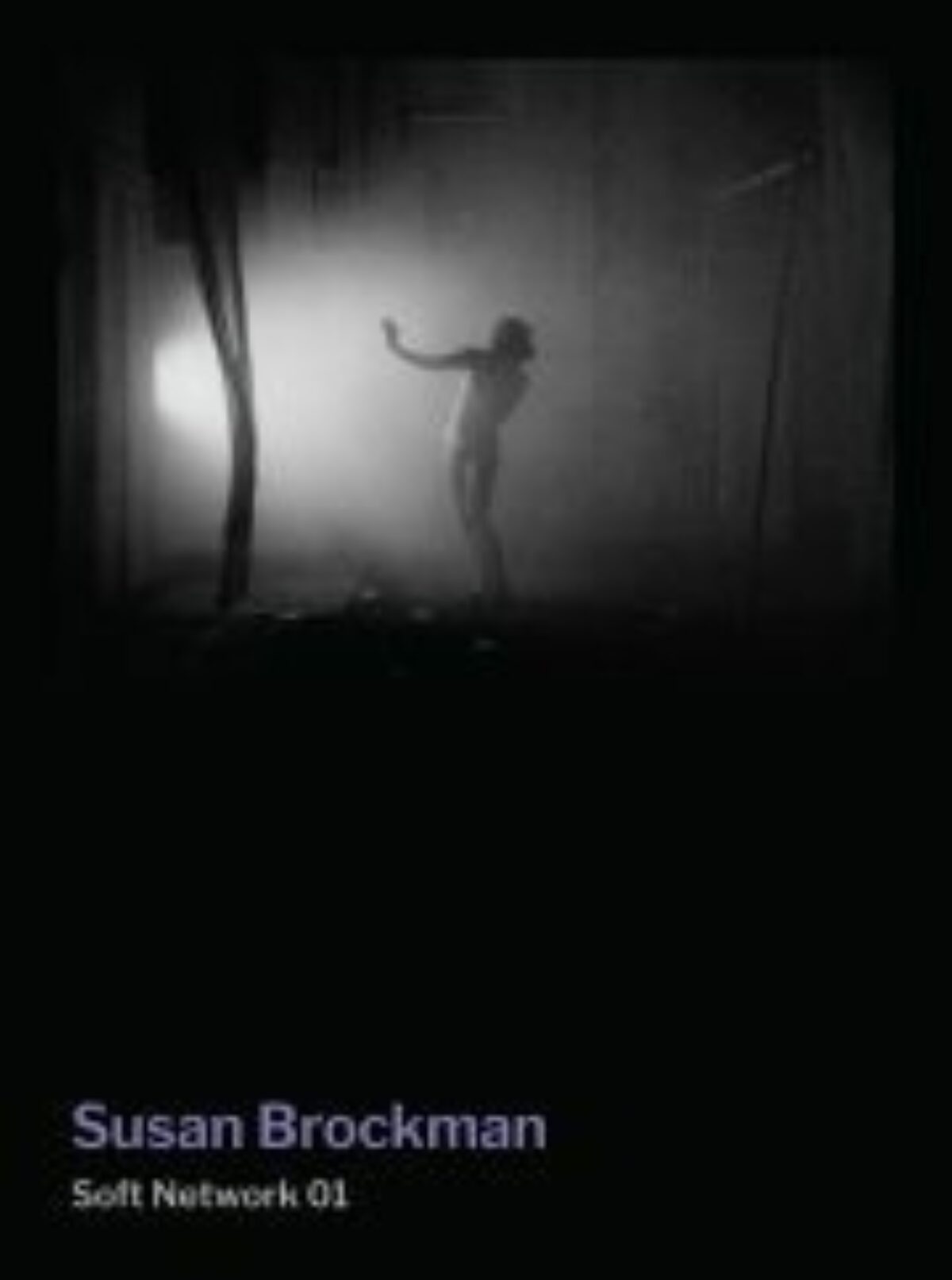
This book is the first to focus on the life and work of Susan Brockman (1937–2001), a prolific filmmaker and artist who was involved in the feminist art movement, the documentary filmmaking community, and the downtown New York art scenes of the 1960s–90s. Through her distinctive approach to framing, editing, and collage, Brockman created interior worlds and tableaux that have a palpable but enigmatic emotional resonance. Brockman neither sought nor received much critical attention during her lifetime, and her work was largely forgotten in the years following her death. In 2021, Soft Network began a three-year journey with her archive, a project that uncovered her striking contributions to the history of experimental image-making. Susan Brockman: Soft Network 01 integrally charts the organization’s research process and methodology, laying bare the immense effort that goes into caring for and creating access to an artist’s legacy and proposing new ways of considering what legacy work can mean.

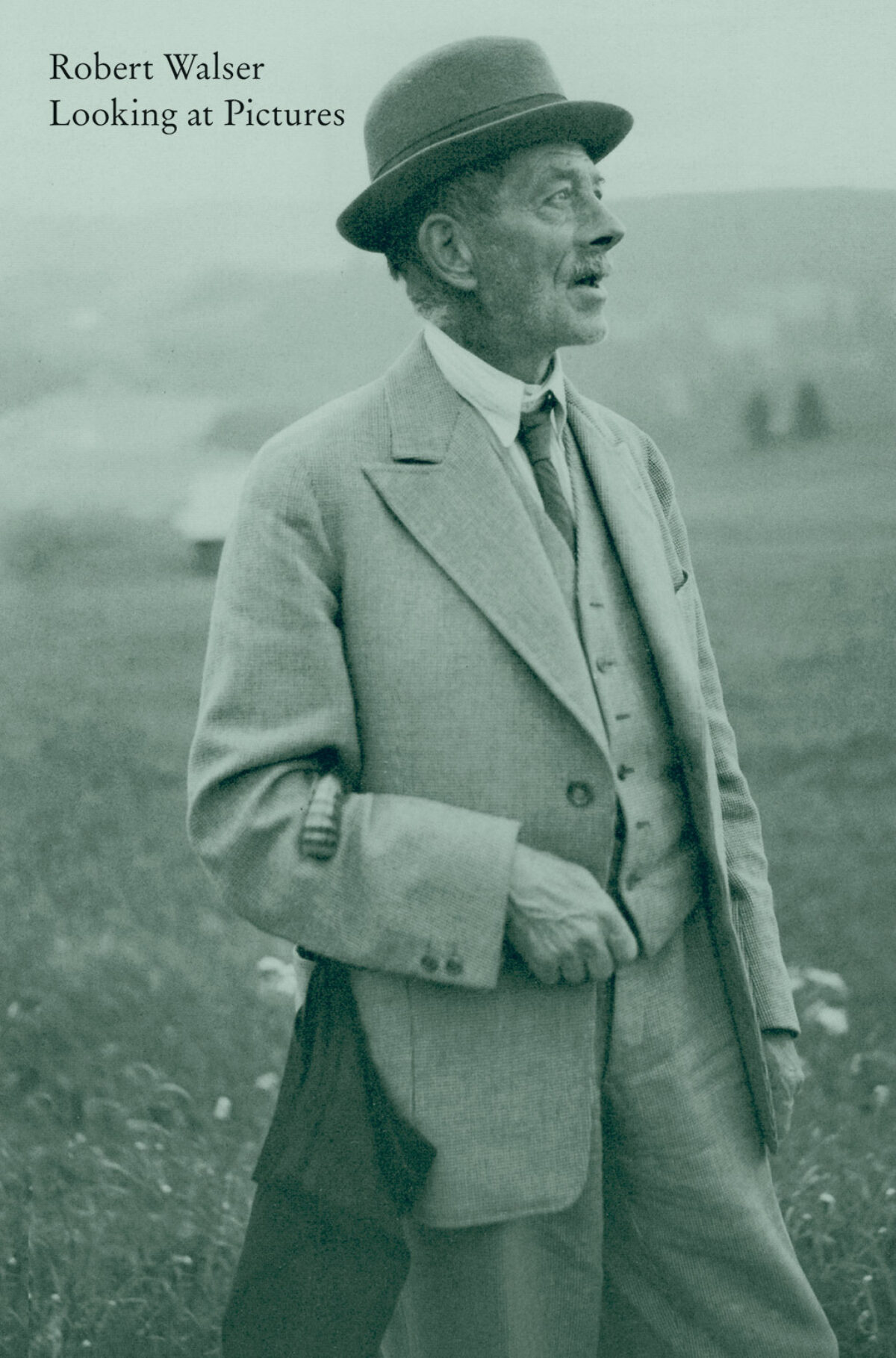
Robert Walser: Microscripts

Translated and with an introduction by Susan Bernofsky

Born in Switzerland in 1878, Robert Walser worked as a bank clerk, a butler in a castle and an inventor's assistant while beginning what was to become a prodigious literary career. Between 1899 and his forced hospitalization in 1933 with a now much-disputed diagnosis of schizophrenia, Walser produced as many as seven novels and more than a thousand short stories and prose pieces. Though he enjoyed limited popular success during his lifetime, his contemporary admirers included Franz Kafka, Hermann Hesse, Robert Musil and Walter Benjamin. Today he is acknowledged as one of the most important and original literary voices of the twentieth century, his work the subject of essays by W.G. Sebald, J.M. Coetzee, William Gass and Susan Sontag.

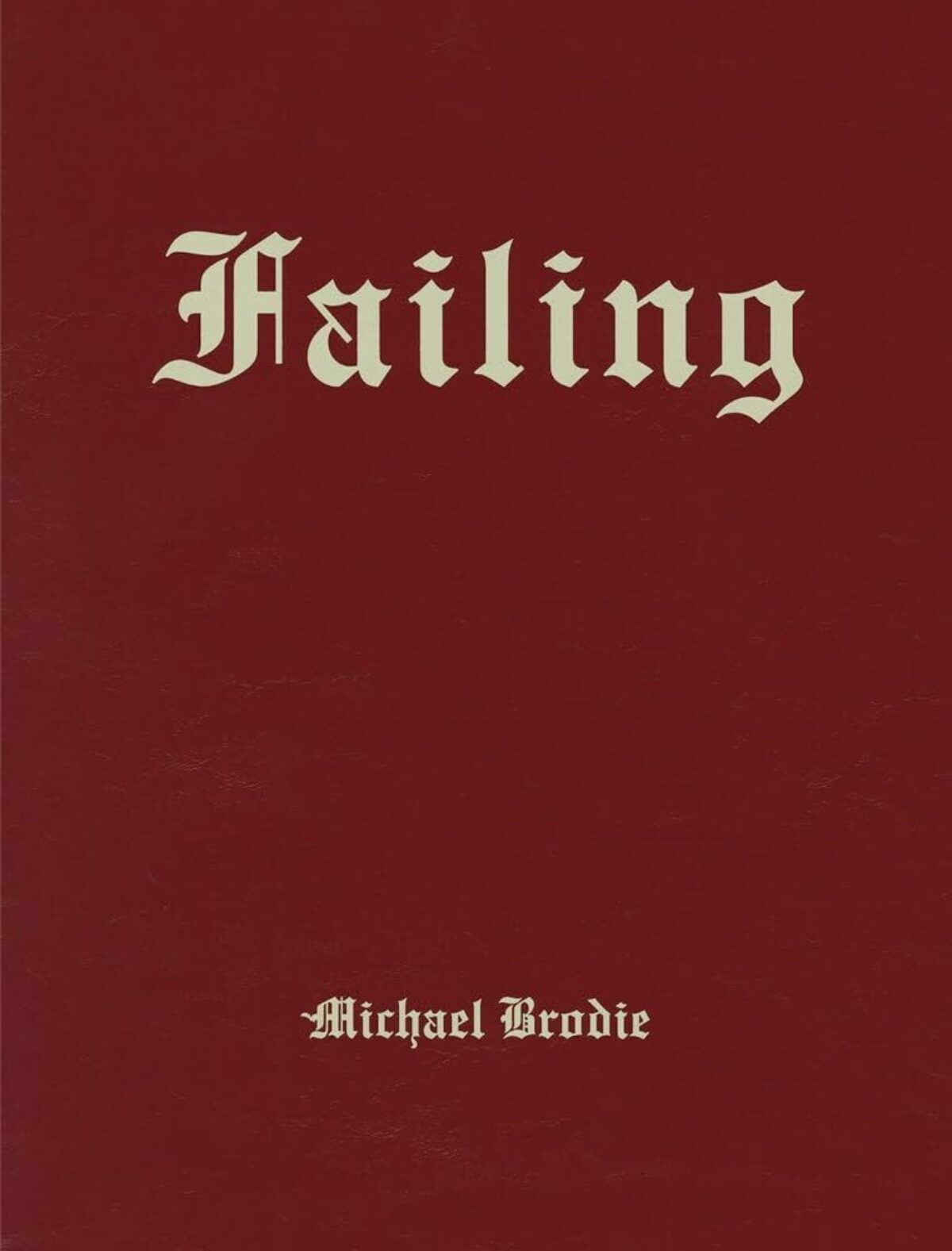
Michael Brodie: Failing

Michael Brodie

In Nashville he became a diesel mechanic. Fell in love. Moved across the country again. Got married. Bought land on the long dusty Winnemucca road Johnny Cash sang about. Started his own business. Built a house. Put down roots. And when that life exploded, the open road called again. Throughout almost all of it, his cameras were with him, and at last those pictures are coming to light. If Michael Brodie’s first monograph was a cinematic dream, Failing is the awakening and the reckoning, a raw, wounded, and searingly honest photographic diary of a decade marked by love and heartbreak, loss and grief — biblical in its scope, and in its search for truth and meaning. Here is the flip side of the American dream, seen from within; here is bearing close witness to the brutal chaos of addiction and death; here are front-seat encounters with hitchhikers and kindred wanderers on society’s edges, sustained by the ragtag community of the road. Failing often exists in darkness but is tuned to grace. Brodie’s eye stays forever open to the strange and fleeting beauty that exists in forgotten places — the open country and the lost horizons that sweep past dust-spattered windows in a spectral blur.

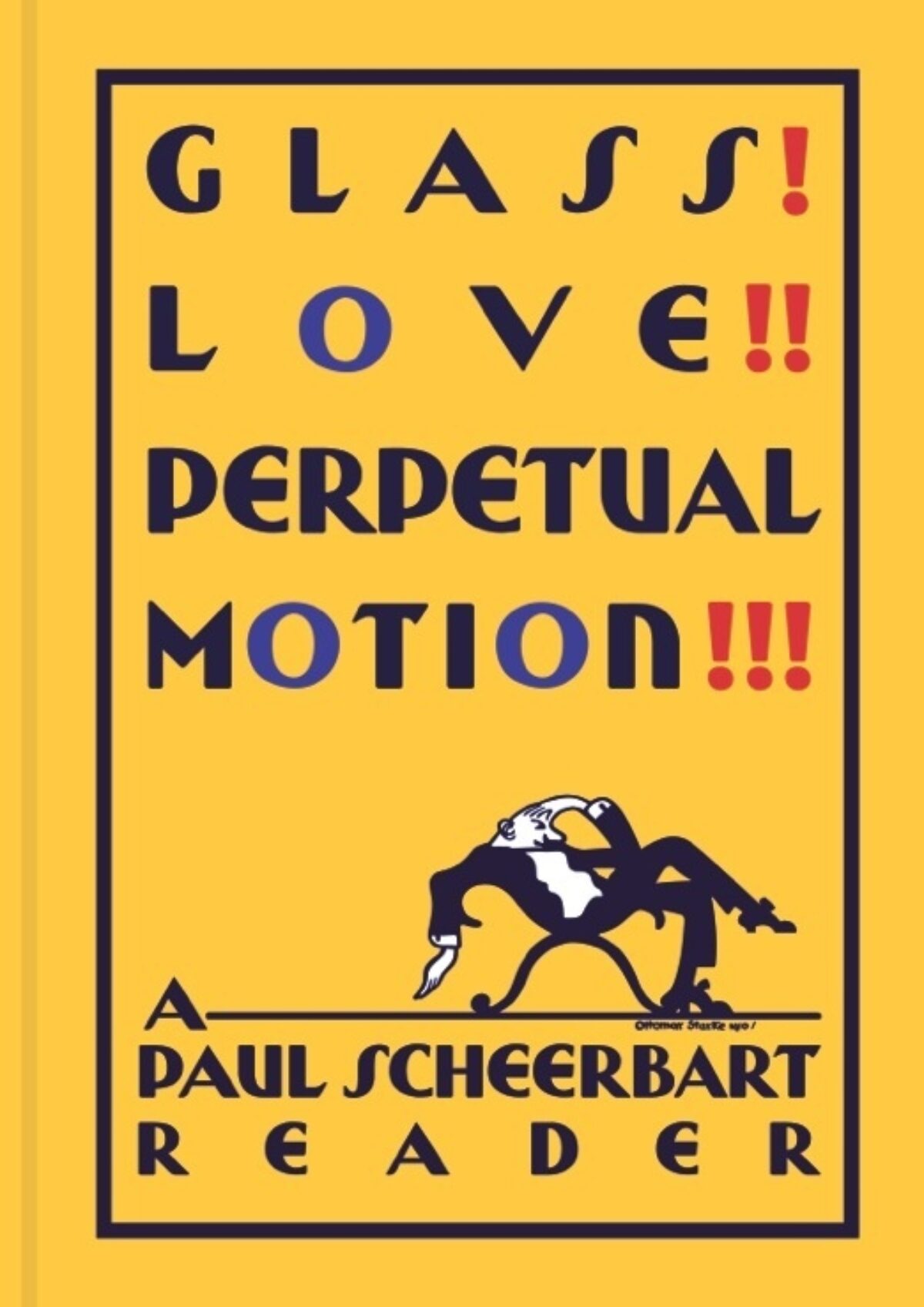
Glass! Love!! Perpetual Motion!!!: A Paul Scheerbart Reader

Edited by Christine Burgin and Josiah McElheny with essays by Noam Elcott, Rosemarie Haag Bletter, Gary Indidana, Hollyamber Kennedy, Guy Maddin, Christopher Turner and Humbertus von Amelunxen

German writer, critic, and theorist Paul Scheerbart (1863–1915) is considered by some a mad eccentric and by others a visionary political thinker, but his -influence is still felt today. Glass! Love!! Perpetual Motion!!! A Paul Scheerbart Reader is the first extensive collection of Scheerbart’s writings to be published in -English. Along with his influential architectural manifesto Glass Architecture (1914) and his dream of perpetual energy, Perpetual Motion: The Story of an Invention (1910), a selection of his fantastical experiments with the short story form appear here for the first time. Contemporary essays commissioned for this book illuminate -Scheerbart’s importance and the relevence of his ideas in his own time and ours.

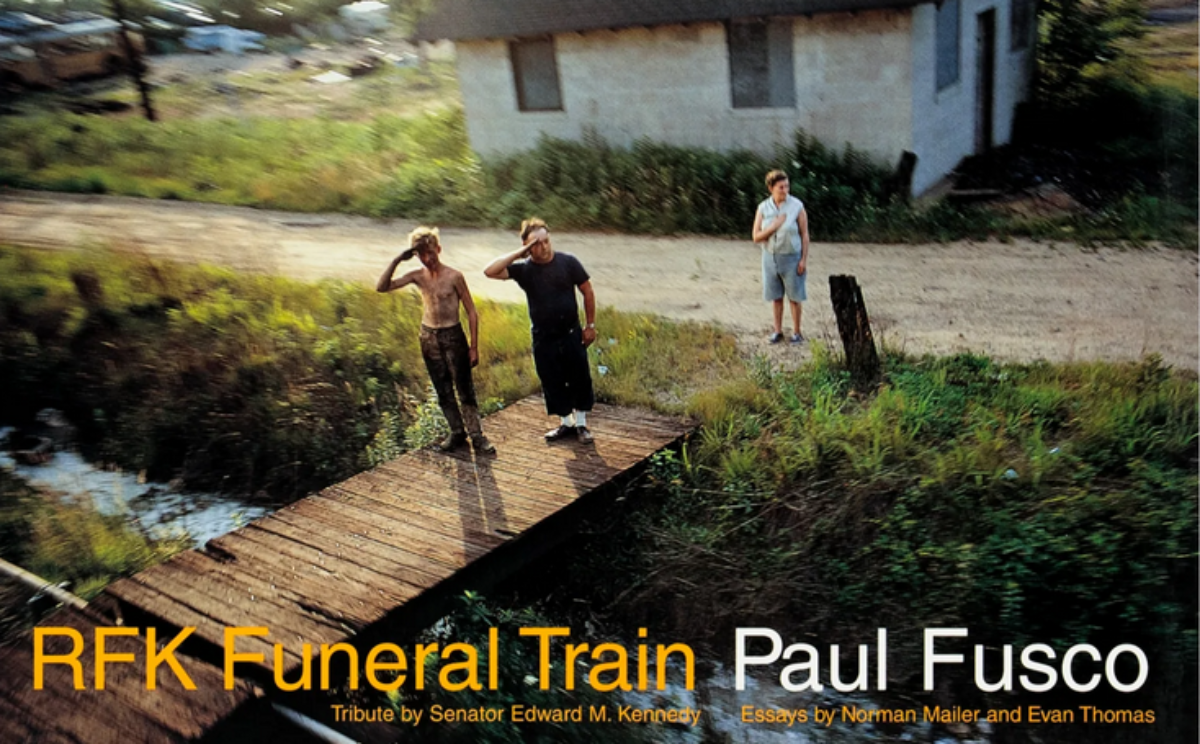
Funeral Train

Paul Fusco

In tribute to Robert F. Kennedy’s raw empathy, his determination to make our lives better, and his insistence that the government is answerable to all – black and white, rich and poor – hundreds of thousands of people stood patiently in the searing heat on June 8th, 1968 to watch his funeral train travel slowly from New York to Washington, D.C., just as Abraham Lincoln’s had, 103 years before. Paul Fusco photographed the silent, mourning crowds from the passing train. The result, brought to light over thirty-years later, is a moving snapshot of America at a crucial moment of trauma and transition.

An essay by Norman Mailer, as well as a retelling of the events surrounding the funeral of RFK by prizewinning Newsweek editor Evan Thomas, join the tribute given by Senator Edward M. Kennedy, capturing how this man and his vision of America touched us with steadfast idealism and humanity.

Access to Life

Magnum Photographers


Eight of the world’s leading photojournalists, all Magnum photographers, follow 30 individuals in nine countries before and four months after they begin antiretroviral treatment, documenting the transformative effect on their bodies, lives and families. Photographers include Bendiksen, Goldberg, Majoli, McCurry, Pellegrin, Peress, Reed and Towell.


Please note: This title contains adult themes or language that may not be suitable for younger readers.

Tom Duncan: Portrait of Tom with a Migraine Headache

Essay by Michael Bonesteel.

Explores the memory pieces that Duncan creates which refer to real-life events from his early youth in Scotland during World War II, and later in New York City following his immigration in 1947. His work often appropriates toy figures and other found objects, but just as often he fabricates miniature sculpted and painted clay figures cast in plaster, then places them against a drawn and hand-colored or collaged backdrop. Mixing humor, religion, sexuality and politics, he ultimately defuses them through a layering of contradictory emotions that are both childlike and chillingly adult.

Please note: This title contains adult themes and may not be suitable for younger readers.

In Our Time

William Manchester

Magnum’s archives are a repository of the masterpieces of photography for the past half-century. From the grandly historic to the poignantly human, from battlefield violence to the gentle pleasures of peace, “In Our Time” captures the past fifty years of the world in over three hundred memorable photographs.

As the distinguished historian William Manchester explains in his provocative text that accompanies the images, the book is a distinctive blend of reporting and art that inevitably engages the heart and mind of the viewer. Each picture is a comment upon our experience of the twentieth century. Not since the landmark photographic exhibition “The Family of Man” have so many brilliant photographs documented such a range of human experience and so subtle a marriage of technical proficiency and moral commitment.

Please note: This title contains adult themes or language that may not be suitable for younger readers.

Queens International 4

Tom Finkelpearl, Hitomi Iwasaski, Luis H. Francia, Aissa Deebi

In conjunction with Queens International 2004, the Queens Museum of Art has published a fully illustrated 32-page tabloid format exhibition catalogue. The catalogue features essays by QMA Executive Director Tom Finkelpearl, Associate Curator Hitomi Iwasaki, reowned Queens poet Luis H. Francia, and artist Aissa Deebi, as well as catalogue entries and images on each artist in Queens International 2004.

Participating artists: Cara Judea Alhadeff, Heidi Boisvert, Omar Chacón, Corey D’Augustine, Gregory de la Haba, Domenick Di Pietrantonio, Alejandro Diaz, eteam, Lars Fisk, Future Shock (Nicholas Ragbir, Veronica Ragbir, Travis Bhimraj, Anil Bhimraj, Jessica Ragbir and Rattan Bhimraj), Tommy Hartung, Karolyn Hatton, Daina Higgins, Oded Hirsch, Sin-ying Ho, Ryan Humphrey, Janelle Iglesias, Lisa Iglesias, Darren Jones, Cecilia Jurado, Jayson Keeling, Las Hermanas Iglesias, Ha Na Lee, Jia-Jen Lin, Jodie Lyn-Kee-Chow, Yasue Maetake, Derick Melander, Brendan Mulcahy, Kirsten Nash, Kymia Nawabi, SP Weather Station website (Natalie Campbell and Heidi Neilson with Leah Beeferman, Susan Goethel Campbell, Carrie Dashow, Mike Estabrook, Neil Freeman, Richard Garrison, Michael Geminder, Isaac Gertman, Kenneth Goldsmith, Vandana Jain, Katarina Jerinic, Daniel Larson, Bridget Lewis, Jane Marsching, Nathalie Miebach, Lize Mogel, Chris Petrone, Sarah Nicole Phillips, Andrea Polli, Chuck Varga, Jing Yu and Liz Zanis), OKAMOTO STUDIO (Shintaro Okamoto, Takeo Okamoto, Jeremy Mangan, Ben Grasso, Timothy Colla, Kaz Adachi, Thomas Brown, Gerard Greco, Meghan McKee and Daniel Guzman), Jonas Olson and Carol Pereira, Douglas Paulson and the Anti-Fascist Culture Club (Chris Domenick, Christopher Robbins, Chuck Yatsuk, Elizabeth Tubergen, Emcee C. M., Master of None, Eva la Cour, Jacob Goble, John Baca and Rachelle Beaudoin), Justine Reyes, Jaye Rhee, Dario Solman, Tim Thyzel, Nicole Tschampel, Jovan Villalba, Chin Chih Yang, Amy Yoes
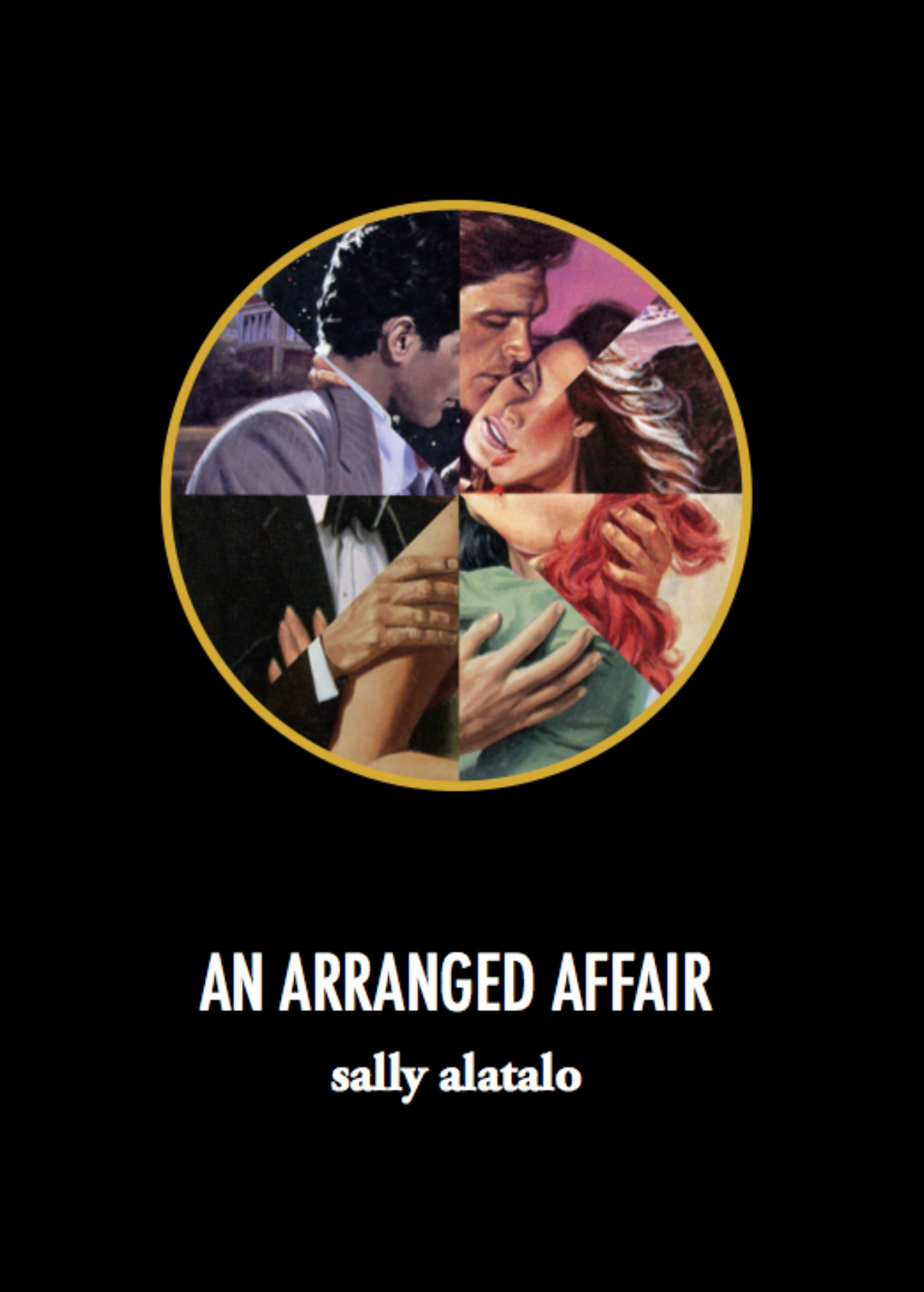
Johan Grimonprez: Looking for Alfred

Patricia Allmer and Jorge Luis Borges
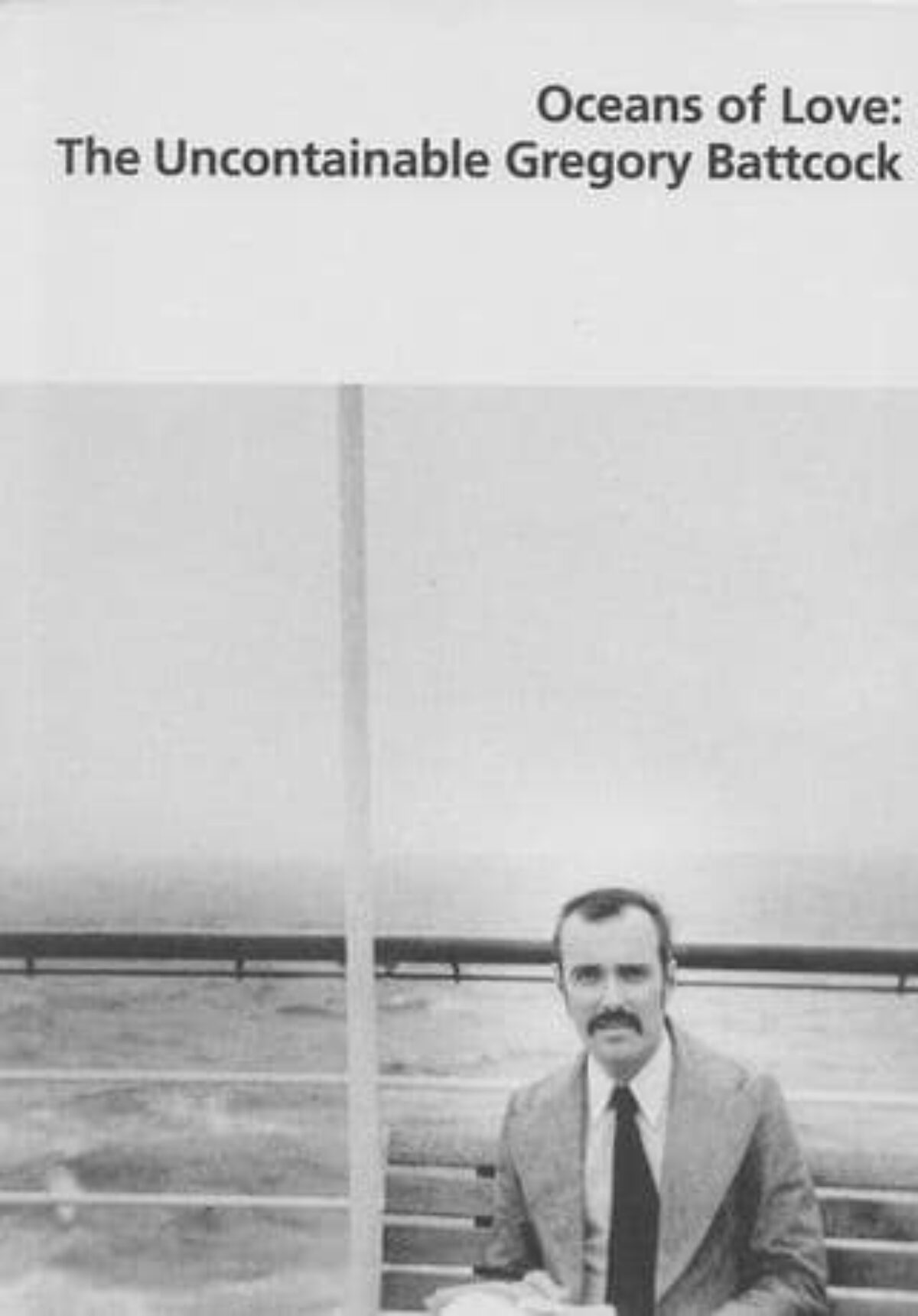
Alfred Hitchcock’s legendary cameos in his own films are the starting point for Looking for Alfred, a highly acclaimed 2005 project by Belgian artist Johan Grimonprez. This homage to the Master of Suspense Alfred Hitchcock also demonstrates an equal amount of reverence for the visual world created by Surrealist painter René Magritte. Including sketches and collages, the publication documents the creation of his film installation Looking for Alfred. As in Dial H-I-S-T-O-R-Y, Grimonprez’s outstanding 1997 media collage, Looking for Alfred plays with various levels of reality, and with simulations and deceptions. With the help of a mind-boggling crowd of Hitchcock look-alikes, the artist deftly deconstructs conventional notions of reality.
Top Storie

Edited by Anne Turyn

Top Stories was a prose periodical published from 1978 to 1991 by the artist Anne Turyn in Buffalo, New York, and New York City. Over the course of twenty-nine issues, it served as a pivotal platform for experimental fiction and art through single-artist issues and two anthologies. The entire run of Top Stories is collected and reproduced here across two volumes.

Top Stories primarily featured female artists, though in Turyn’s words a few men “crept in as collaborators.” Although primarily “a prose periodical” (as its byline often stated), the issues varied in form and aesthetics, pushing the boundaries of what prose could be and, from time to time, escaping the genre altogether. In fact, the only parameters required for participants were that the periodical’s logo and issue list be included on the front and back covers, respectively.

A great deal of the works are short stories by the likes of Pati Hill, Tama Janowitz, and Kathy Acker, whose Pushcart Prize–winning “New York City in 1979” appeared for the first time in book form as part of the series. Constance DeJong contributes “I.T.I.L.O.E.,” a widely unavailable work that features the artist’s trademark prose and is sure to please fans of her novel, Modern Love. The largest issue of the periodical is undoubtedly Cookie Mueller’s How to Get Rid of Pimples,” which consists of a series of character studies of friends interspersed with photographs by David Armstrong, Nan Goldin, and Peter Hujar altered with freshly drawn blemishes.

Top Stories also celebrates less conventional literary forms. Issues by Lisa Bloomfield, Linda Neaman, and Anne Turyn take the form of artists’ books, juxtaposing image and text to construct tightly wound, interdependent narratives. Jenny Holzer and Peter Nadin present a collaborative work in copper ink comprised of truisms by Holzer on corporeal and emotional states and drawings of abstract bodies by Nadin. Janet Stein contributes a comic, while Ursule Molinaro provides a thorough index of daily life (and the contempt it produces) consisting of entries that were written just prior to lighting a cigarette.

Primary contributors include Kathy Acker, Laurie Anderson, Sheila Ascher, Douglas Blau, Lisa Bloomfield, Linda L. Cathcart, Cheryl Clarke, Susan Daitch, Constance DeJong, Jane Dickson, Judith Doyle, Lee Eiferman, Robert Fiengo, Joe Gibbons, Pati Hill, Jenny Holzer, Gary Indiana, Tama Janowitz, Suzanne Jackson, Suzanne Johnson, Caryl Jones-Sylvester, Mary Kelly, Judy Linn, Micki McGee, Ursule Molinaro, Cookie Mueller, Peter Nadin, Linda Neaman, Glenn O’Brien, Romaine Perin, Richard Prince, Lou Robinson, Janet Stein, Dennis Straus, Sekou Sundiata, Leslie Thornton, Kirsten Thorup, Lynne Tillman, Anne Turyn, Gail Vachon, Brian Wallis, Jane Warrick, and Donna Wyszomierski.

David Armstrong, Nan Goldin, JT Hryvniak, Peter Hujar, Nancy Linn, Trish McAdams, Linda Neaman, Marcia Resnick, Michael Sticht, and Aja Thorup all make appearances as well, contributing artwork for the covers or as illustrations.

Die, Nazi Sum!: Societ TASS Propaganda Posters 1941-1945

Essay by Xenia Vytuleva.

Soon after the German invasion of the Soviet Union in June of 1941, the Okna TASS studio spontaneously formed in Moscow. Comprised of renowned artists, poets and literary figures, the new consortium would oversee production of a powerful, extreme form of visual expression to urge Soviet citizens to fight on and ultimately do the nearly impossible - change the course of the war, the course of history.

Please note: This title contains adult themes or language that may not be suitable for younger readers.

Join our mailing list to get updates on news, activities, and educational resources.

Follow: Instagram

Support A.rt R.esources T.ransfer

I will give a donation of

You will be redirected off-site to complete your donation.

I want to to the Library Program

Contact:
A.rt R.esources T.ransfer
526 W 26th Street, #614
New York, NY 10001
[email protected]